Tile encyclopedia · Winds
East Wind
東トン · ton
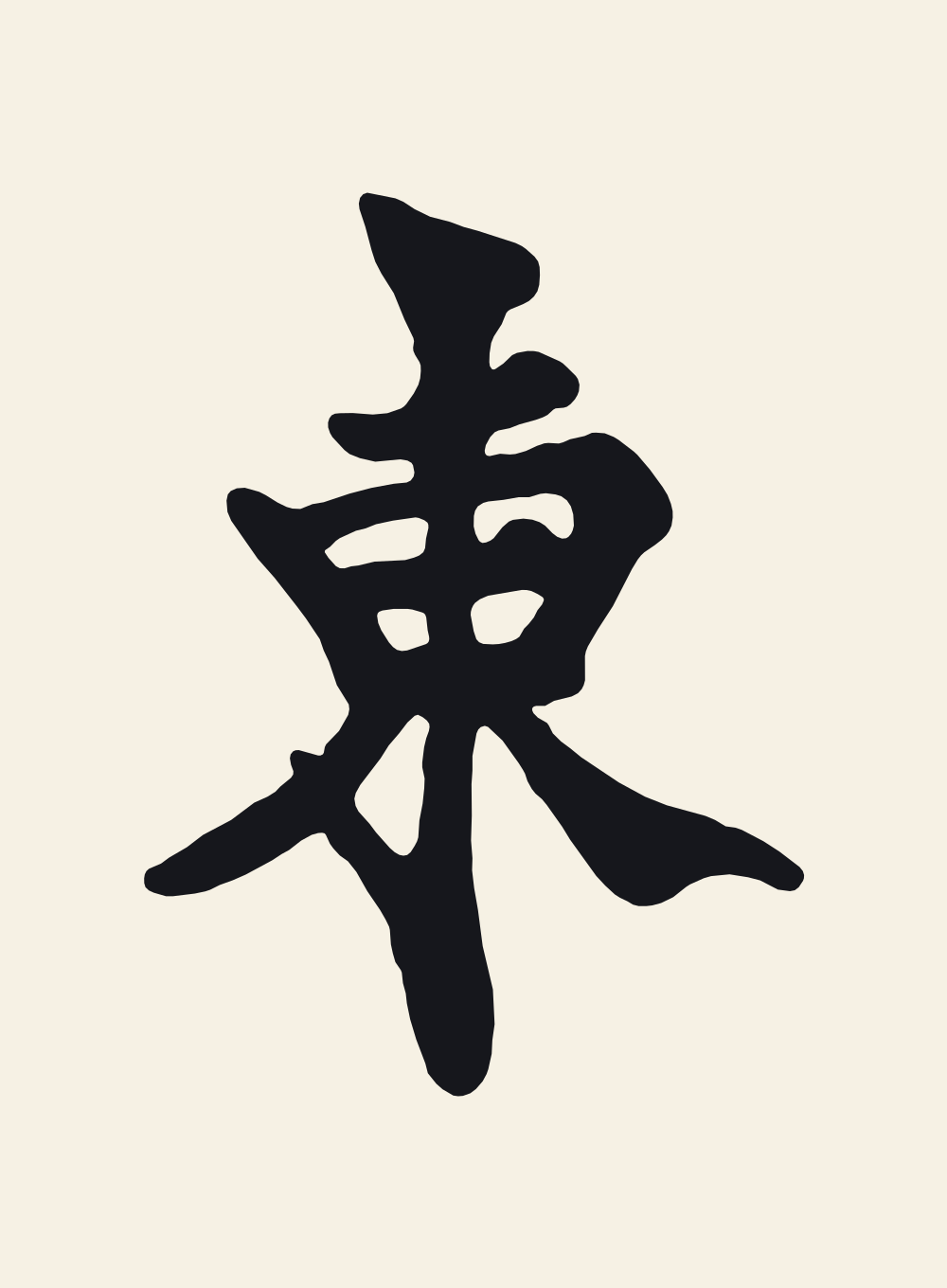
東, east, in black brush script. Ton is the Chinese dōng, not the Japanese higashi.
- Group
- Winds 風牌 kazehai
- Type
- Honor · wind
- Notation
1z- In the set
- 4
- Unicode
- U+1F000
Did you know
- The dealer always sits East, so a triplet of East is always worth 1 han to the dealer.
- Every game starts in the East round, when East is the round wind too: a triplet is 1 han for anyone, and 2 han for the dealer, who gets it twice (double East).
- On Japanese score sheets East is written T, for ton.1
- Chinese players call it 三隻腳, "three legs", for the strokes at its foot. In Taiwan it is the cockroach.2
At the table
- Honors never make sequences. East wind can only be used in a pair, a triplet or a kan, so a lone one is often the first tile out of a hand.
- It is dora when
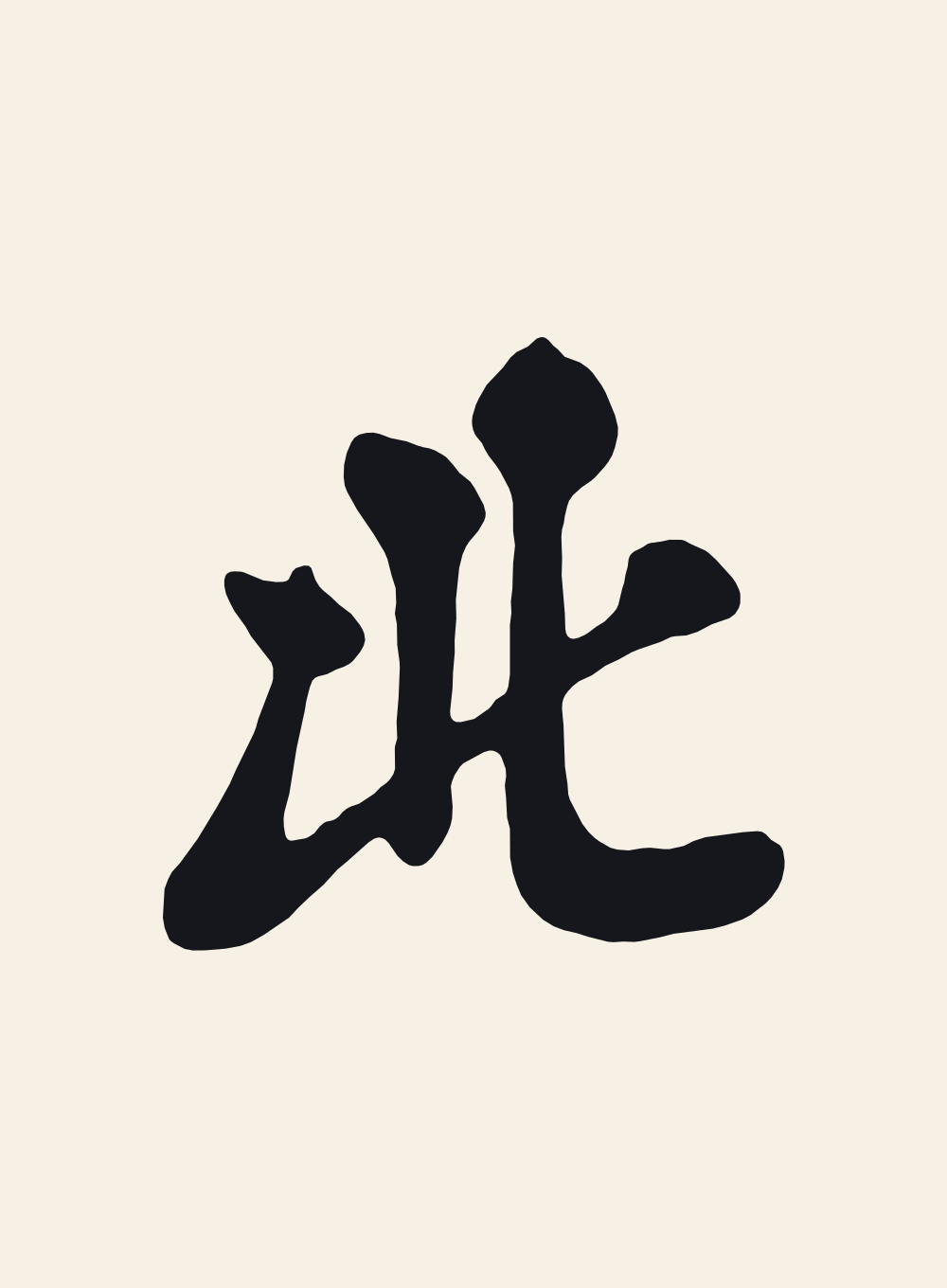 is the dora indicator. Turned up as the indicator itself, it makes
 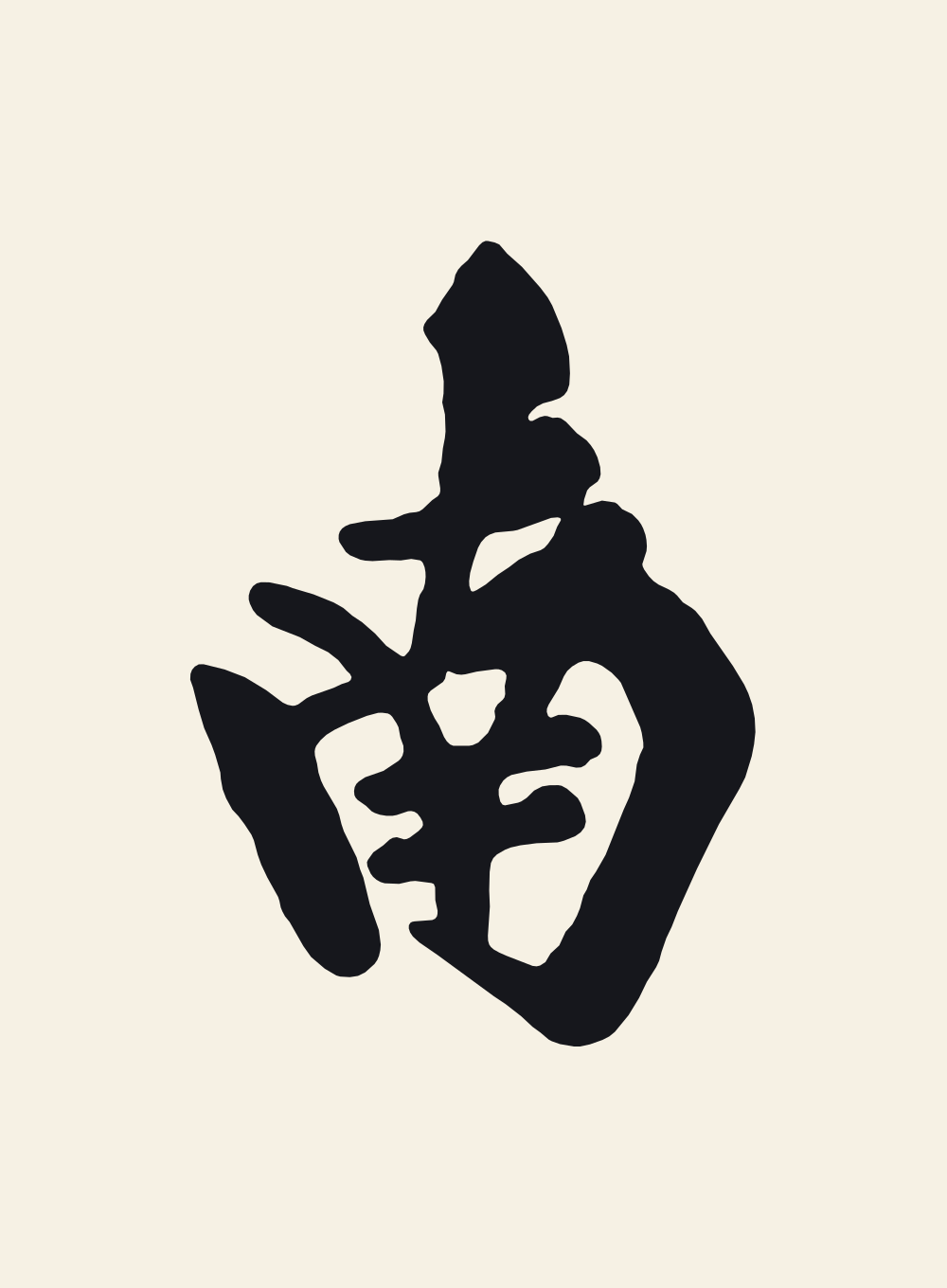 dora.
dora.
Yaku it can help
- Yakuhai a triplet of your seat or the round wind is 1 han
- Shousuushii three wind triplets and a wind pair
- Daisuushii all four wind triplets
- Honitsu one suit plus honors
- Tsuuiisou honors only
- Chanta a terminal or honor in every set
- Honroutou terminals and honors only
- Kokushi Musou one of the thirteen orphans
Where the winds come from
The four winds are the four points of the compass, and each player sits at one. East is the dealer; the seats run East, South, West, North in turn order, and the round wind moves from East to South as the game goes on. A triplet of your seat wind or the round wind is a yaku.
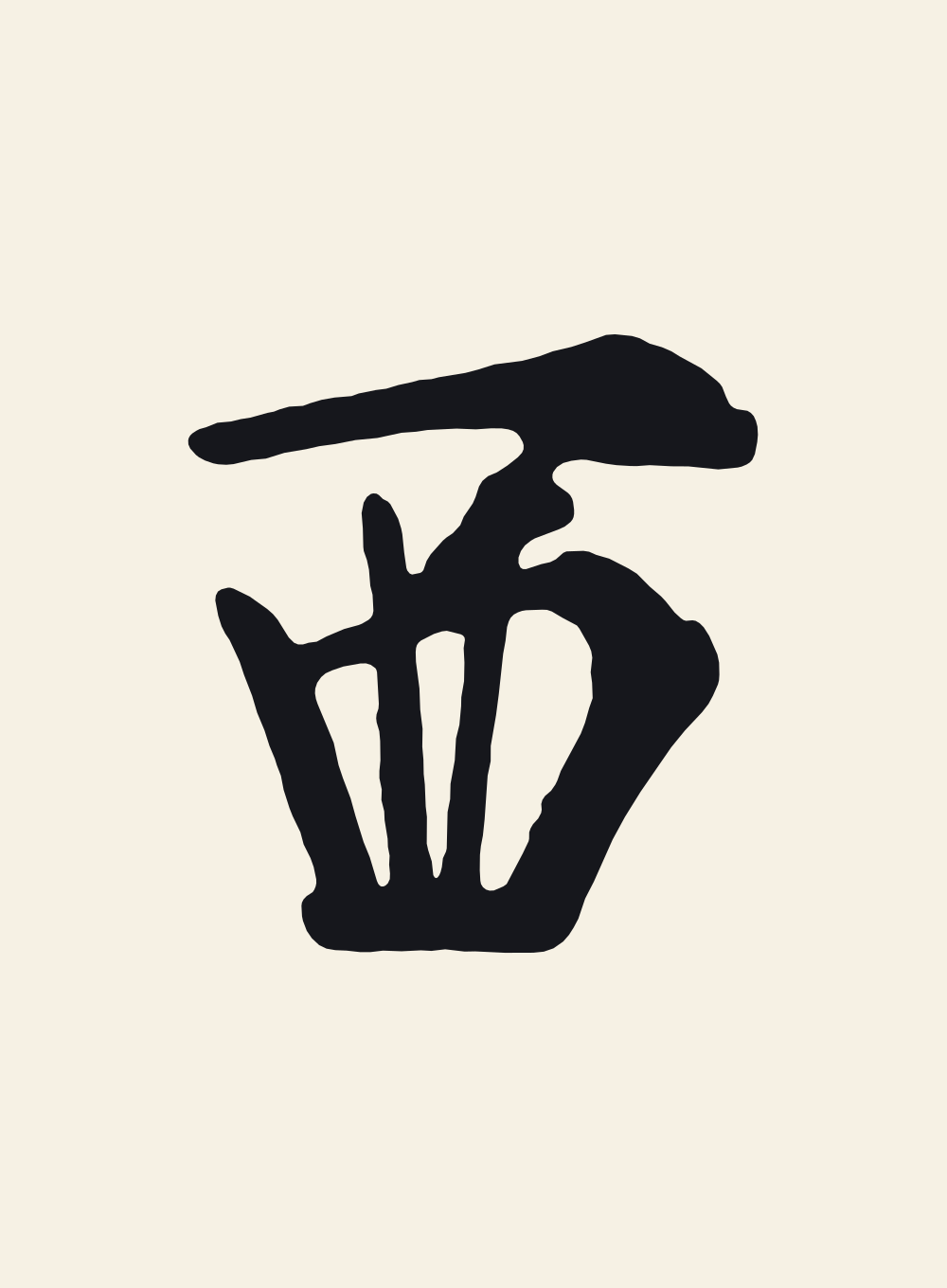
In Chinese the winds together are 四喜牌, the "four joyous tiles", which is where the yakuman names shousuushii (小四喜, little four joys) and daisuushii (大四喜, big four joys) come from. Japanese players read the winds the Chinese way: ton, nan, shaa, pei.3
The four winds
Sources
- 麻雀牌, Wikipedia (Japanese) Japanese
- 麻雀牌, Wikipedia (Chinese) Chinese
- Mahjong tiles, Wikipedia
Play with it
Every tile in Mahjong Sushi is carved and lit in 3D like this one. Hover the east wind at the table for its name and value.
Play Mahjong Sushi