Defense: How to Fold Against Riichi
Winning gets you points, but dealing into someone else's big hand loses them faster. Good defense is the quickest way to stop losing games.
When to fold
When an opponent declares riichi, ask: is my hand worth the risk? A rough guide for beginners:
- Push if you are tenpai with a decent hand, or 1-shanten with a big one (mangan or more).
- Fold if you are 2-shanten or worse, or your hand is cheap.
- Fold harder against the dealer, whose hands are worth 1.5×.
Folding (betaori) means giving up your hand completely and throwing only safe tiles until the hand ends.
Genbutsu: 100% safe
A riichi player can't ron a tile that's in their own discard pile, because of furiten. Those tiles, plus any tile discarded after their riichi that they didn't win on, are completely safe against them. They're called genbutsu. Throw these first.
Suji: reading the two-sided waits
Most winning waits are two-sided (ryanmen). A ryanmen of 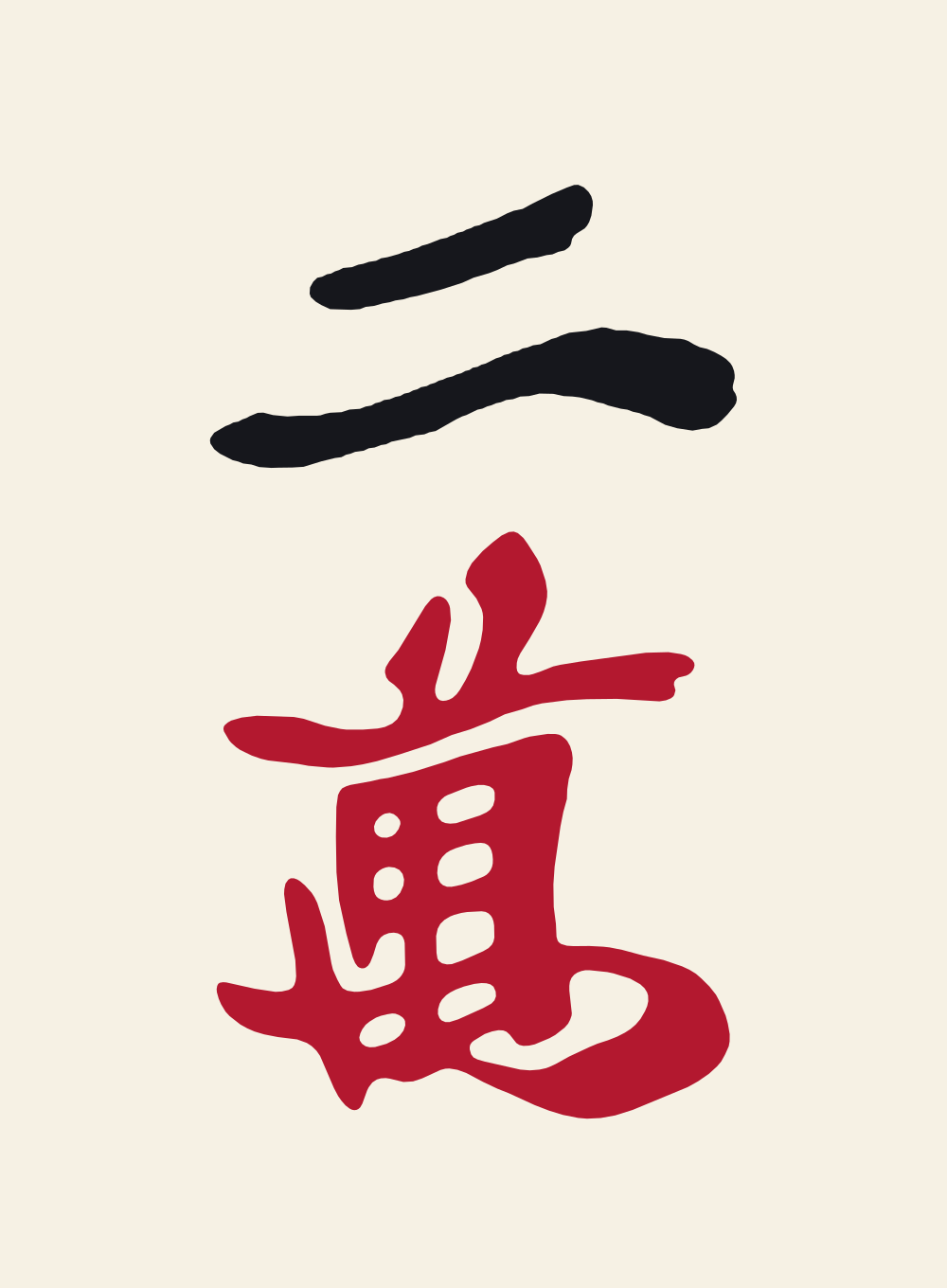
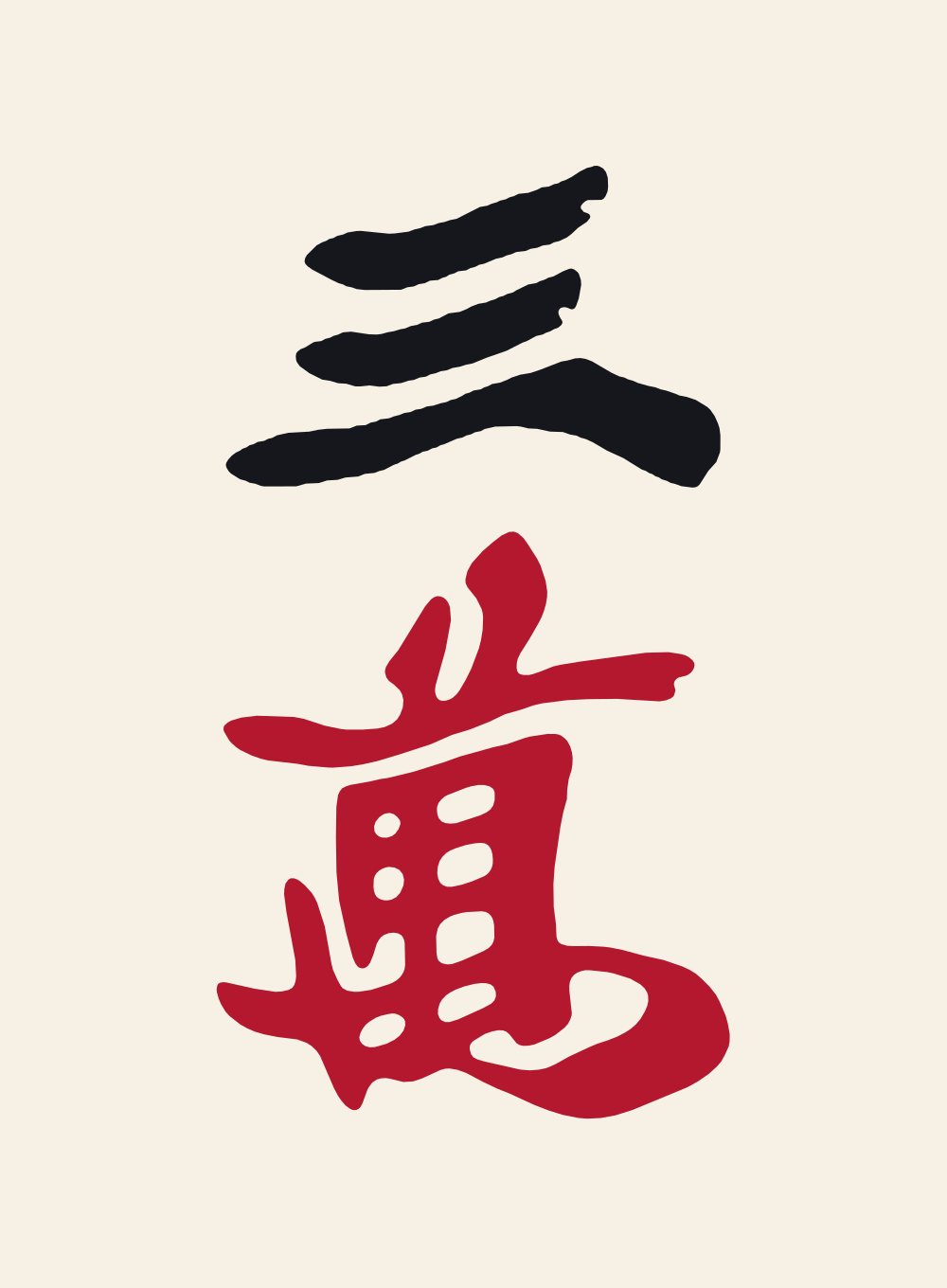 waits on 1 and 4; of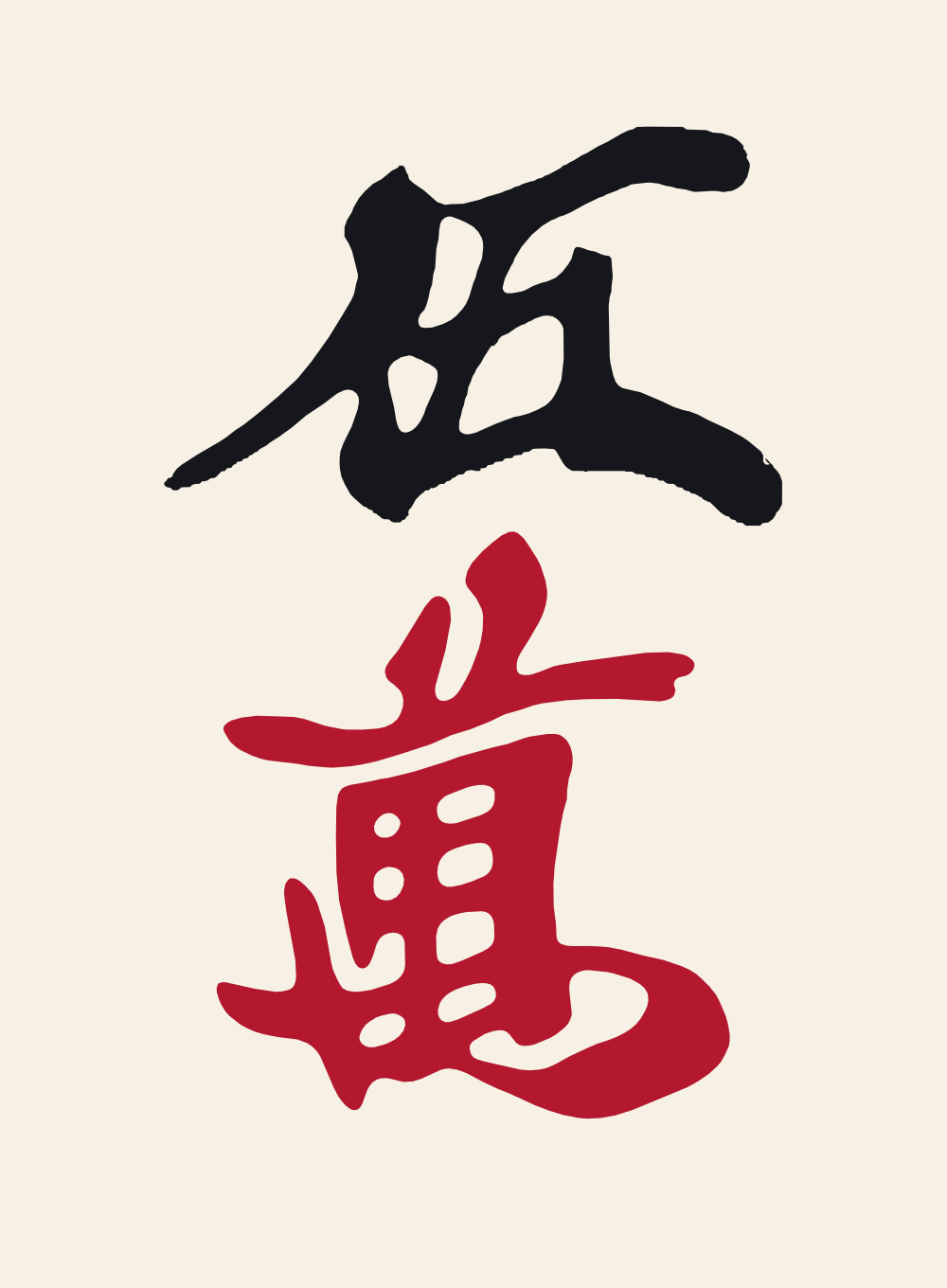
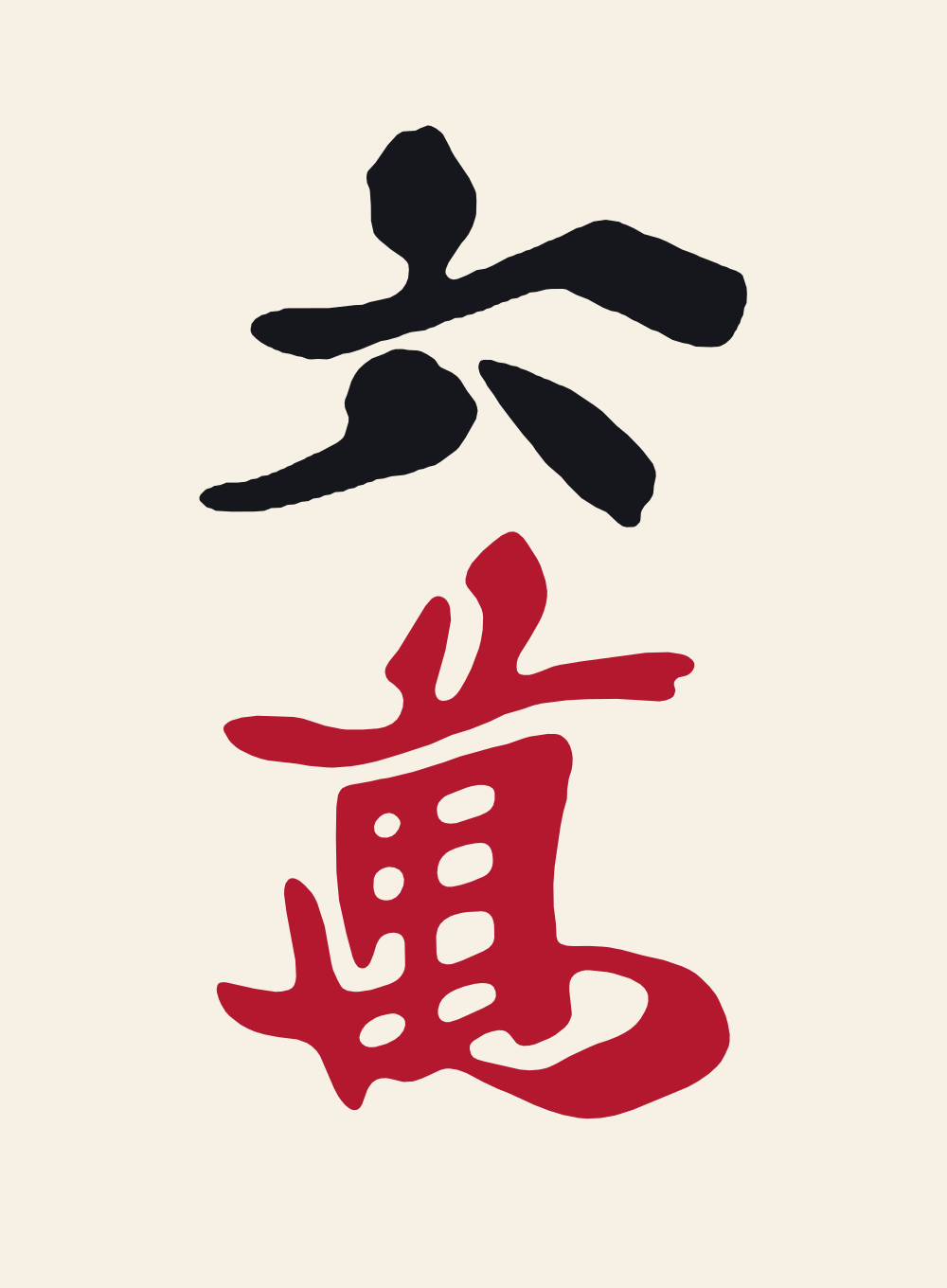 , on 4 and 7. So if the riichi player discarded a 4, they can't be waiting on 1 or 7 with a two-sided wait (they would be furiten). Those tiles are suji of the 4.
| If they discarded | Suji (safer) |
|---|---|
| 4 | 1 and 7 |
| 5 | 2 and 8 |
| 6 | 3 and 9 |
| 1 / 7 | 4 (half suji) |
Suji only guards against ryanmen. Kanchan, penchan, pair and shanpon waits can still hit, so a suji 1 or 9 is safer than a suji 4.
Honor tiles
Honors can only be won on with a pair or shanpon wait. A wind or dragon that's already been discarded twice or three times is nearly safe: only a single copy wait (tanki) could hit it. Late in the hand, a third or fourth copy of an honor is one of the safest tiles in the game.
Kabe: walls you can see
If you can see all four 7s (in discards, calls and your hand), nobody can hold a 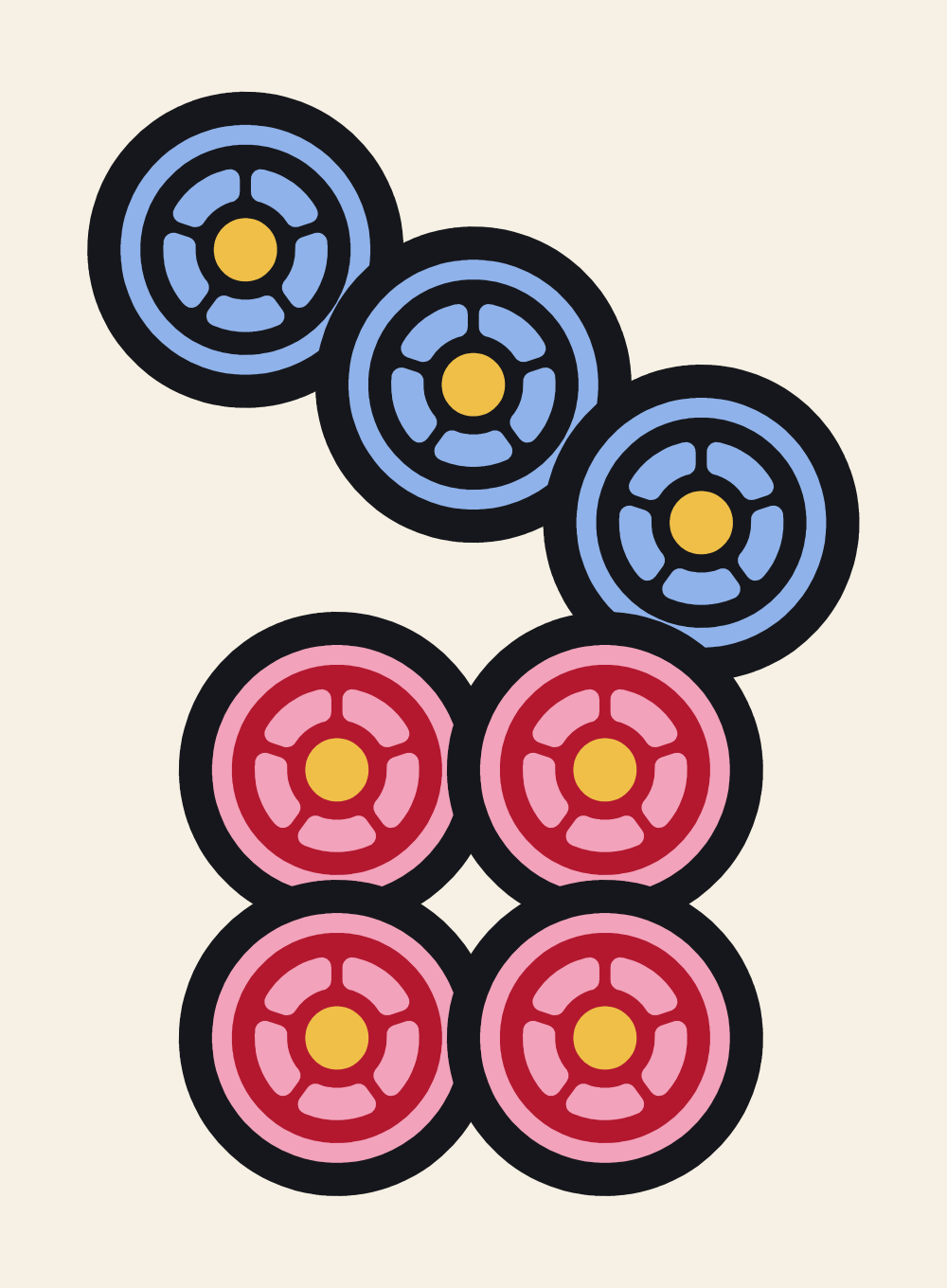
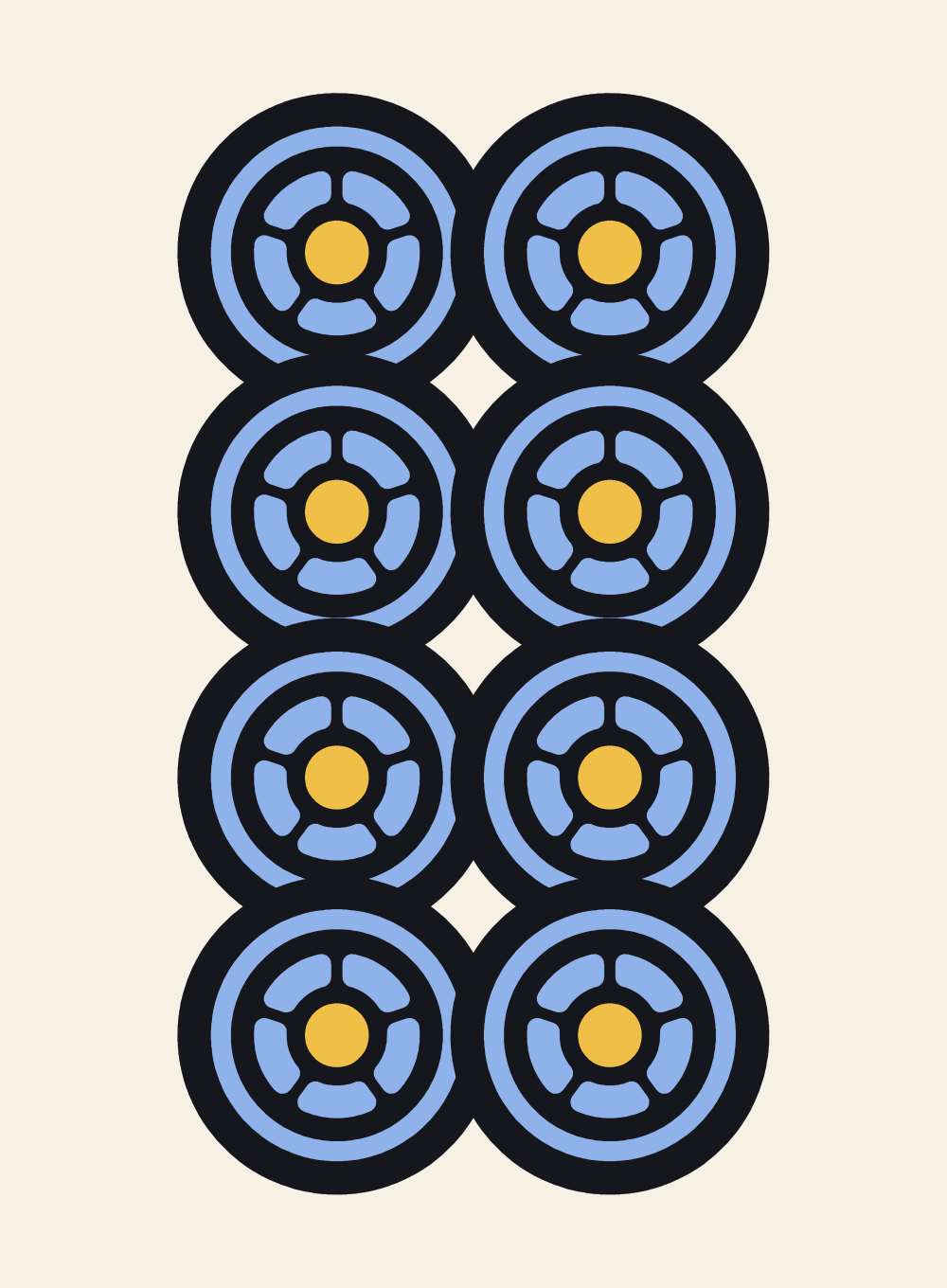 or
or 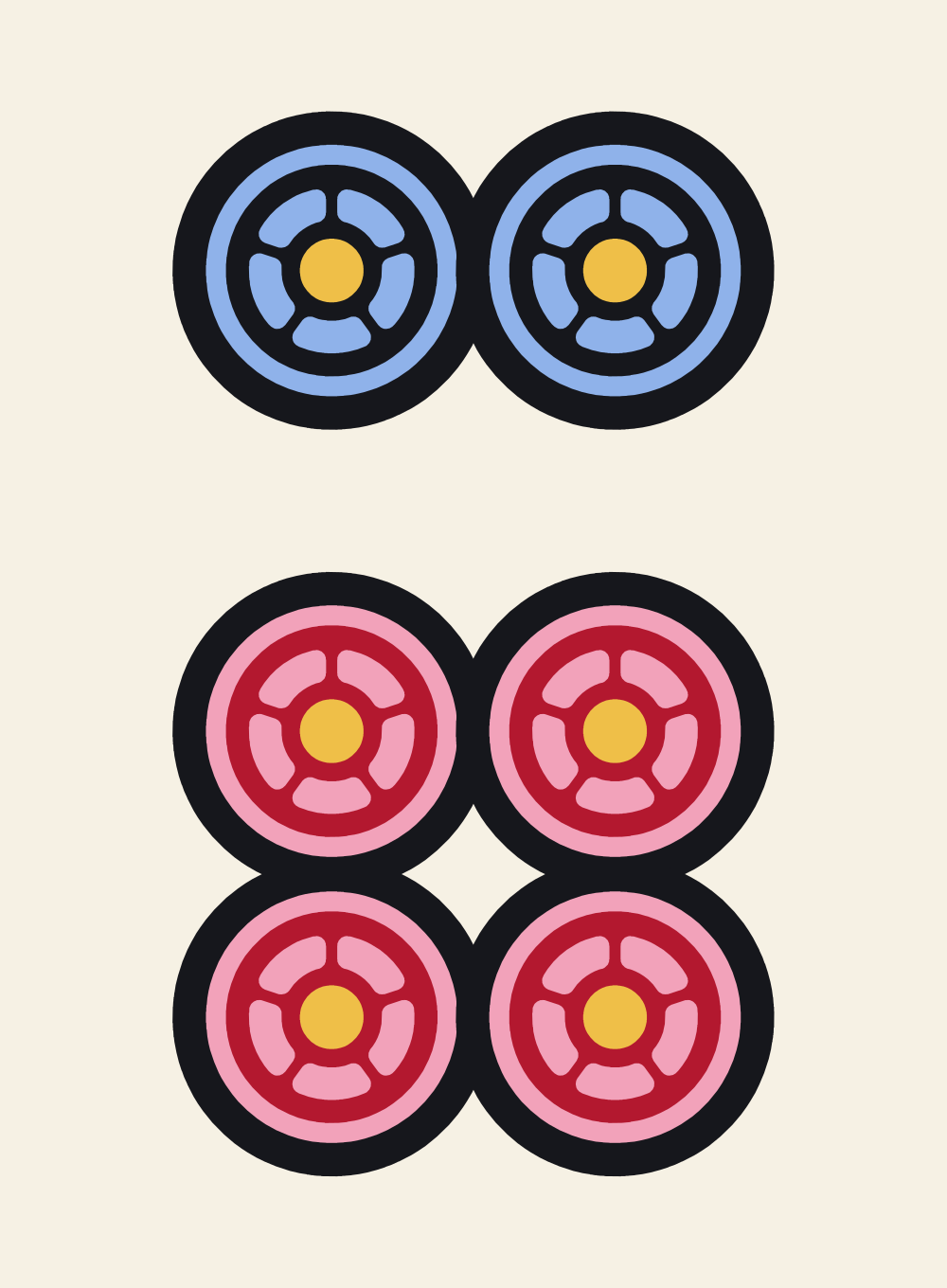 shape waiting on the 8 or 9 from that side. That makes the 8 and 9 safer. This is kabe (wall). When you can see three copies, it's a weaker one-chance.
A safe-tile order
- Genbutsu (in the riichi player's discards, or passed since their riichi).
- Honors with three copies visible.
- Suji terminals (1 and 9) and honors with two copies visible.
- Suji 2s, 8s and kabe tiles.
- Suji middle tiles (3-7).
- Anything else: non-suji middle tiles are the most dangerous of all.
With two players in riichi, look for tiles safe against both. Mahjong Sushi has optional danger hints in settings that shade risky tiles while you learn.
More strategy
Ready for a hand?
Sit down at the table against three bots. It runs in your browser, saves your progress, and teaches you as you play.
Play Mahjong Sushi