Riichi Mahjong Glossary
The Japanese words you'll hear at a riichi table, from agari to yakuman, explained in plain English with tiles where they help.
- Agari和了
A win, by tsumo or ron.
- Aka dora赤ドラ
The red fives. Each one in a winning hand adds 1 han. See aka dora.
- Ankan暗槓
A closed kan: four of a kind made entirely from your own hand. It keeps your hand closed.
- Ankou暗刻
A concealed triplet, drawn yourself. Worth more fu than an open one and the basis of sanankou and suuankou.
- Atozuke後付け
Calling tiles before you have a yaku, hoping to pick one up later (usually a value tile you haven't paired yet). Allowed in Mahjong Soul rules, but risky: if the yaku never comes, the hand can't win.
- Betaoriベタオリ
Full defense: giving up on your hand and discarding only the safest tiles. See the defense guide.
- Chankan搶槓
Robbing a kan: winning on the tile another player adds to their pon. 1 han.
- Chi吃
Calling the discard of the player on your left to complete a sequence. Opens your hand.
- Chiitoitsu七対子
Seven pairs: one of the two hand shapes that break the four-sets-and-a-pair rule. 2 han, always 25 fu.
- Daiminkan大明槓
An open kan, called from a discard when you already hold three of the tile.
- Dama黙聴
Staying silent: being tenpai without declaring riichi, so your waits stay hidden and you can still change your hand.
- Dealer親 oya
The East seat. The dealer wins 1.5× points, pays double on others' tsumo, and keeps the seat after a win or a tenpai draw.
- Doraドラ
Bonus tiles. The tile after the dora indicator is dora; each one in a winning hand adds 1 han. Not a yaku. See dora.
- Dora indicatorドラ表示牌
The face-up tile on the dead wall. The dora is the next tile in order:
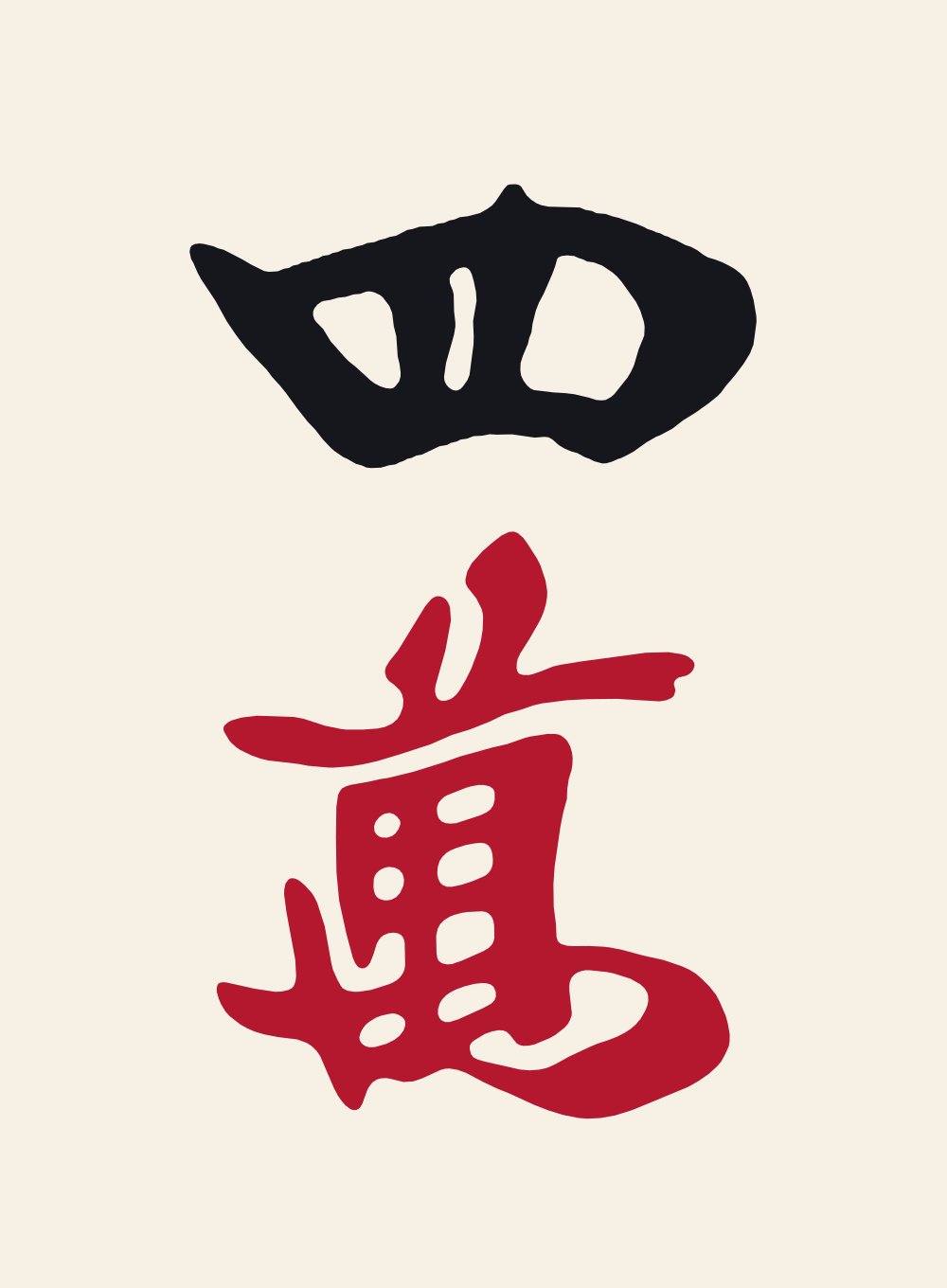 makes
makes 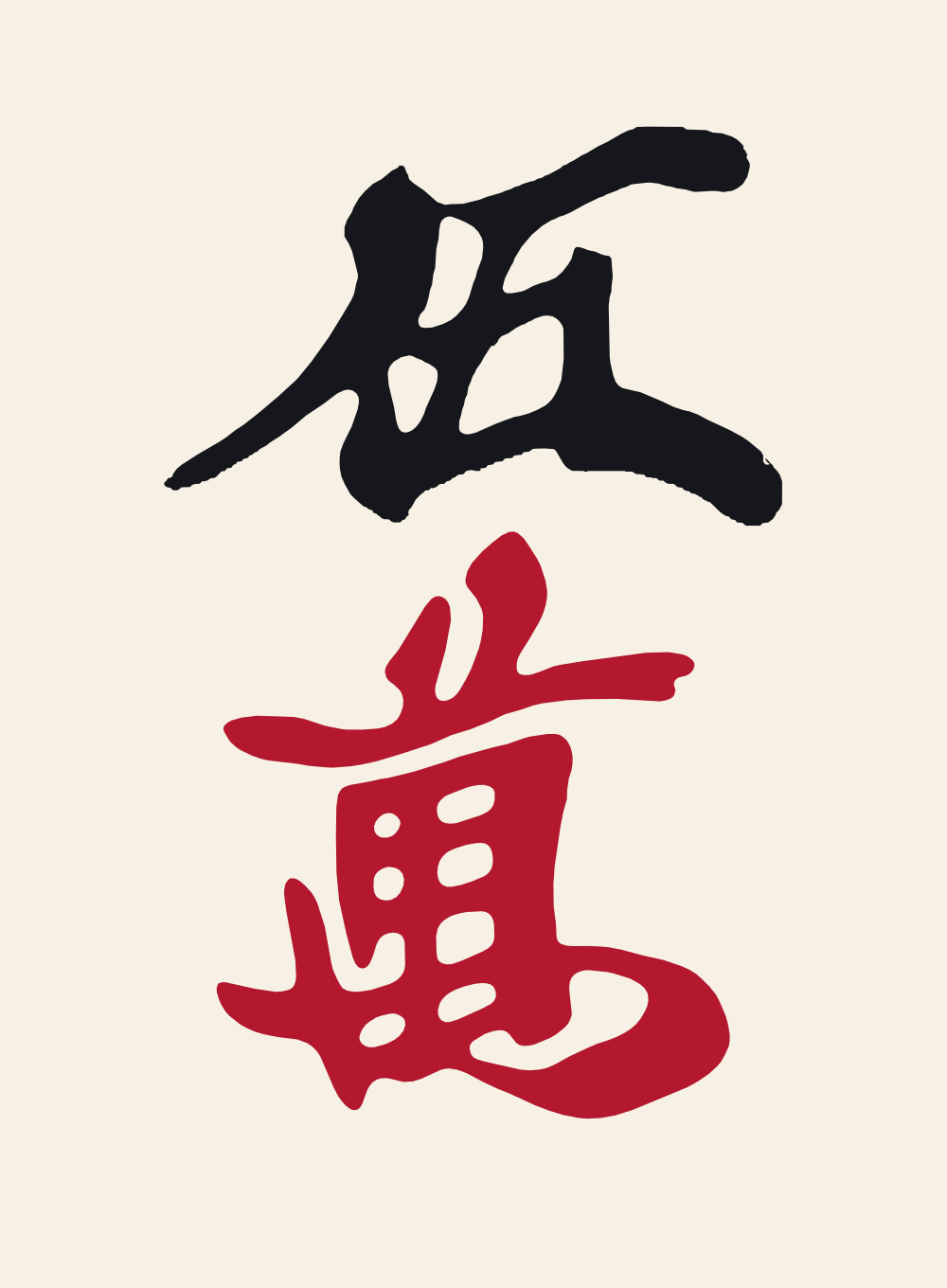 dora,
dora, 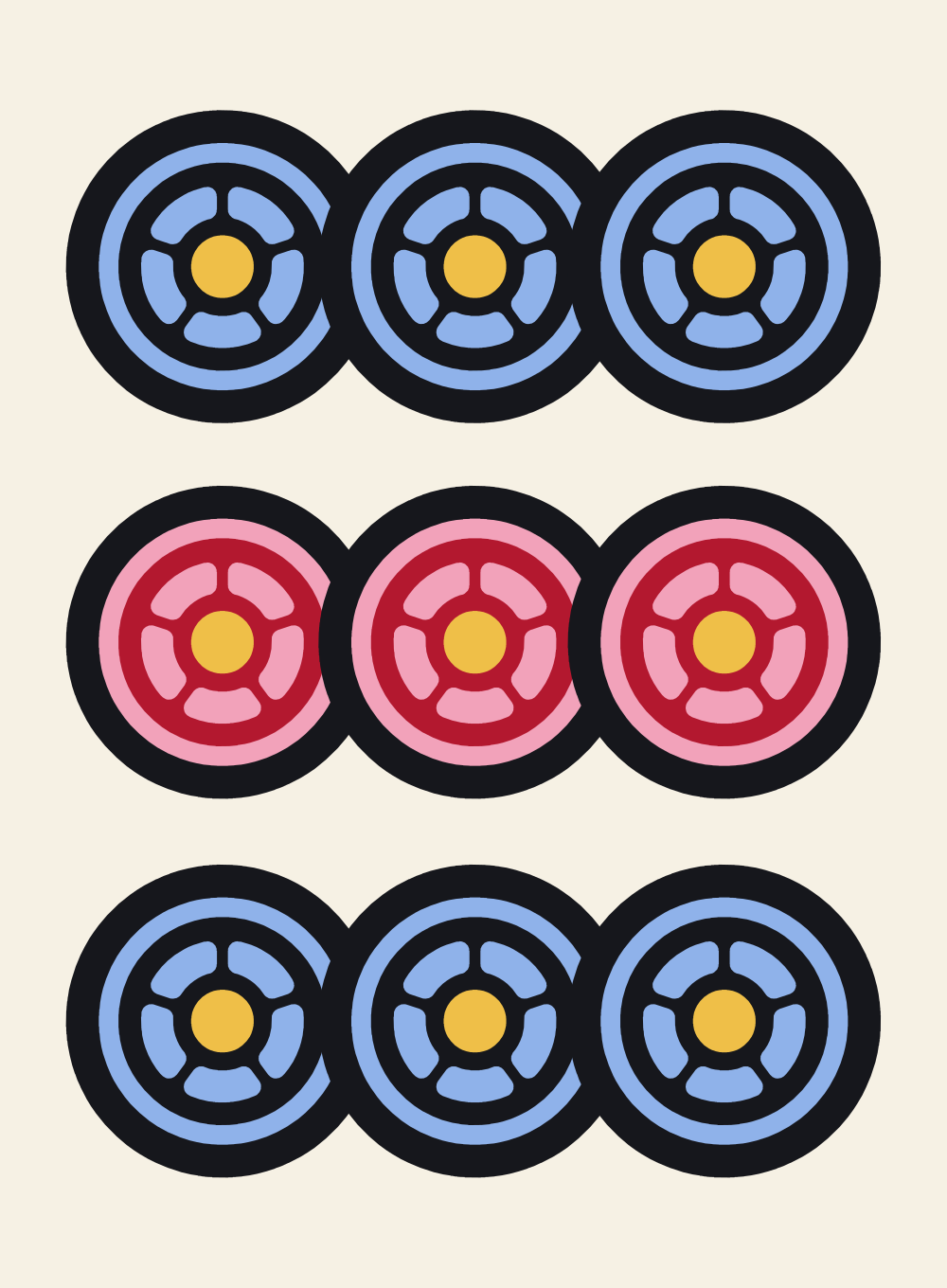 makes
makes  dora, and the winds and dragons loop.
- Fu符
Minipoints for how a hand is built: triplets, honor pairs, closed ron, awkward waits. Rounded up to 10. See counting fu.
- Furiten振聴
When one of your winning tiles is in your own discard pile, or you passed on a winning discard, you can't win by ron, only by tsumo. The most common beginner trap. See the rules.
- Genbutsu現物
A 100% safe tile against a player: one that is already in their discard pile. Thanks to furiten, they can't ron it.
- Han翻
The main unit of a hand's value. Each yaku and dora is worth han; every extra han roughly doubles the score. See scoring.
- Hanchan半荘
A full game: the East round and the South round, at least eight hands. Mahjong Sushi's "East + South" game.
- Haneman跳満
The limit for 6–7 han: 12,000 points (18,000 for the dealer).
- Honba本場
Repeat counters. Each one adds 300 points to the next win. They build up when the dealer keeps the seat or a hand is drawn.
- Honors字牌 jihai
The winds and dragons. They can't make sequences. See tiles.
- Iishanten一向聴
One tile away from tenpai.
- Ippatsu一発
Winning within one go-around of declaring riichi, before any call. 1 han.
- Kakan加槓
An added kan: putting the fourth tile onto a pon you already called. Also shouminkan. Can be robbed by chankan.
- Kan槓
Four of a kind. Counts as one set, earns a replacement tile from the dead wall and reveals a new dora indicator.
- Kanchan嵌張
A middle wait:
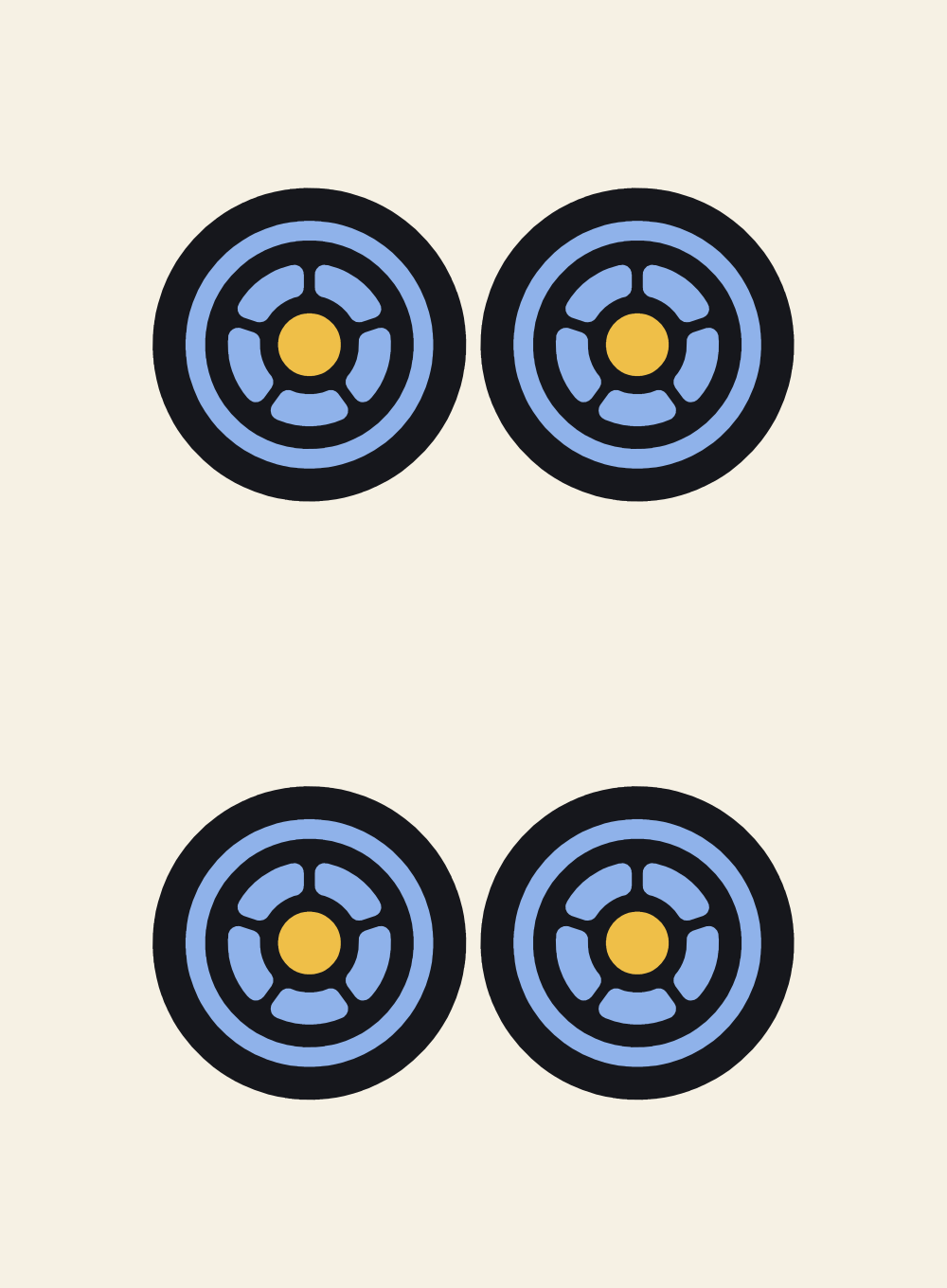
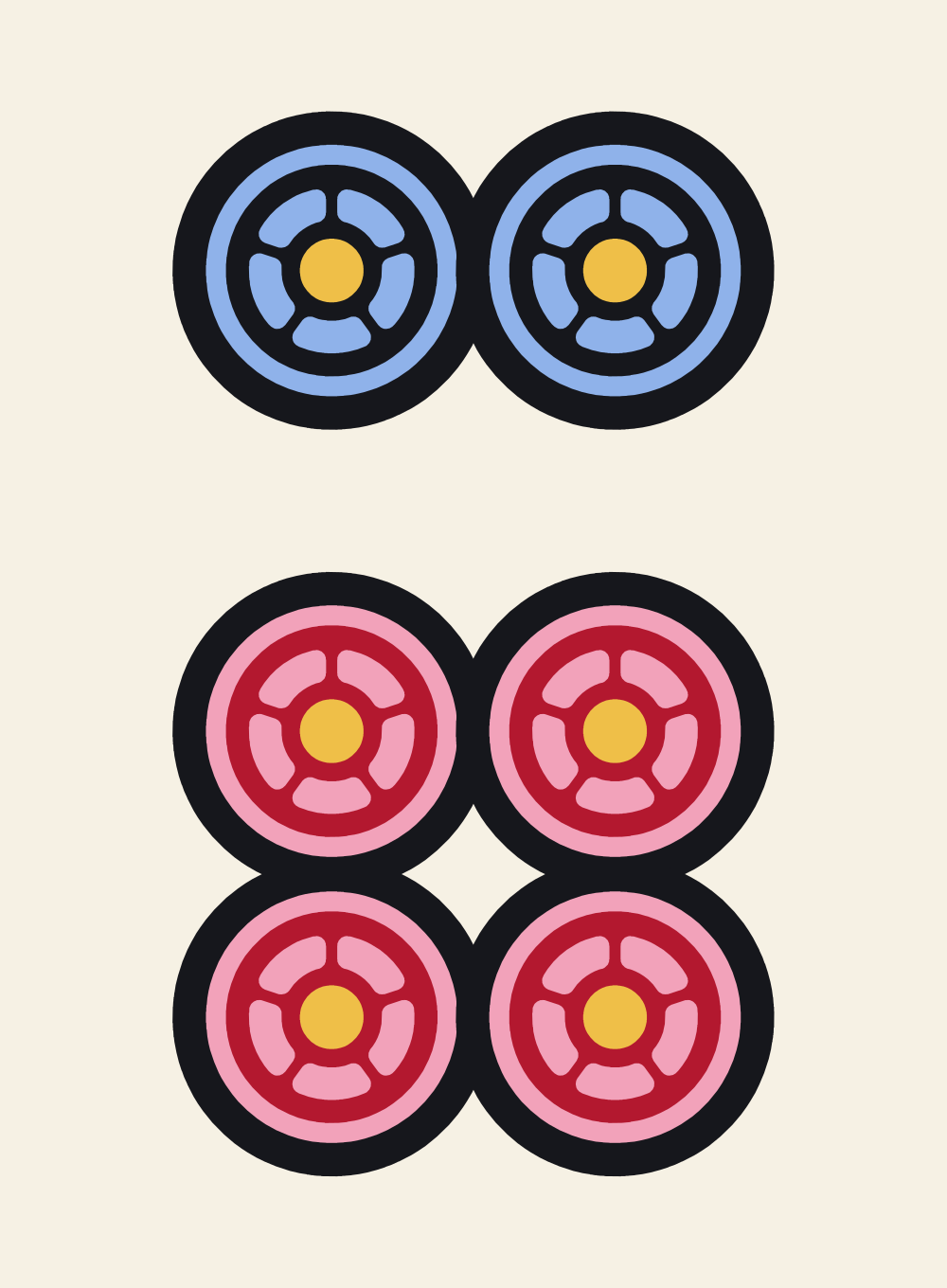 waiting on
 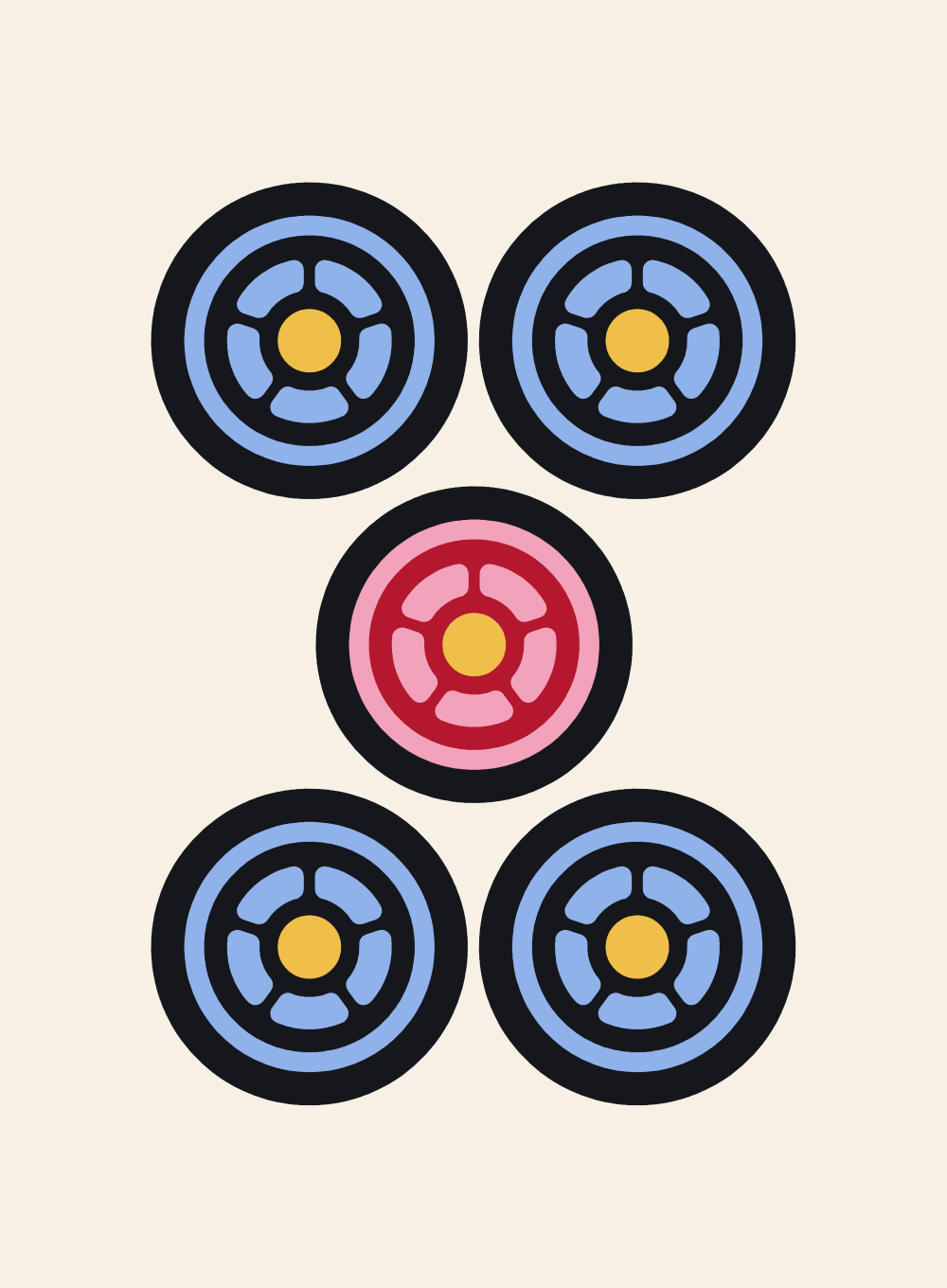 . Only 4 tiles can complete it, and it adds 2 fu.
- Kazoe yakuman数え役満
A counted yakuman: 13 or more han from ordinary yaku and dora.
- Kuikae喰い替え
Swap-calling: calling a tile and then discarding the same tile (or the other end of the sequence). Not allowed in riichi rules.
- Kuitan喰いタン
Open tanyao: all-simples after calling. Allowed in Mahjong Soul and Mahjong Sushi.
- Mangan満貫
The first limit hand: 5 han (or 4 han 40+ fu, 3 han 70+ fu). 8,000 points, 12,000 for the dealer.
- Menzen門前
A closed hand: no chi, pon or open kan. Needed for riichi, pinfu, menzen tsumo and several other yaku.
- Minkou明刻
An open triplet, made with pon (or completed by a ron).
- Nakashi / Naki鳴き
Calling tiles (chi, pon, kan). A hand with calls is open.
- Nanikiru何切る
Literally "what do you cut?": a discard puzzle. Try today's in the daily puzzle.
- Noten不聴
Not tenpai when the wall runs out. Noten players pay tenpai players a total of 3,000 points.
- Oorasuオーラス
The very last hand of the game, where placement matters more than points.
- Penchan辺張
An edge wait:
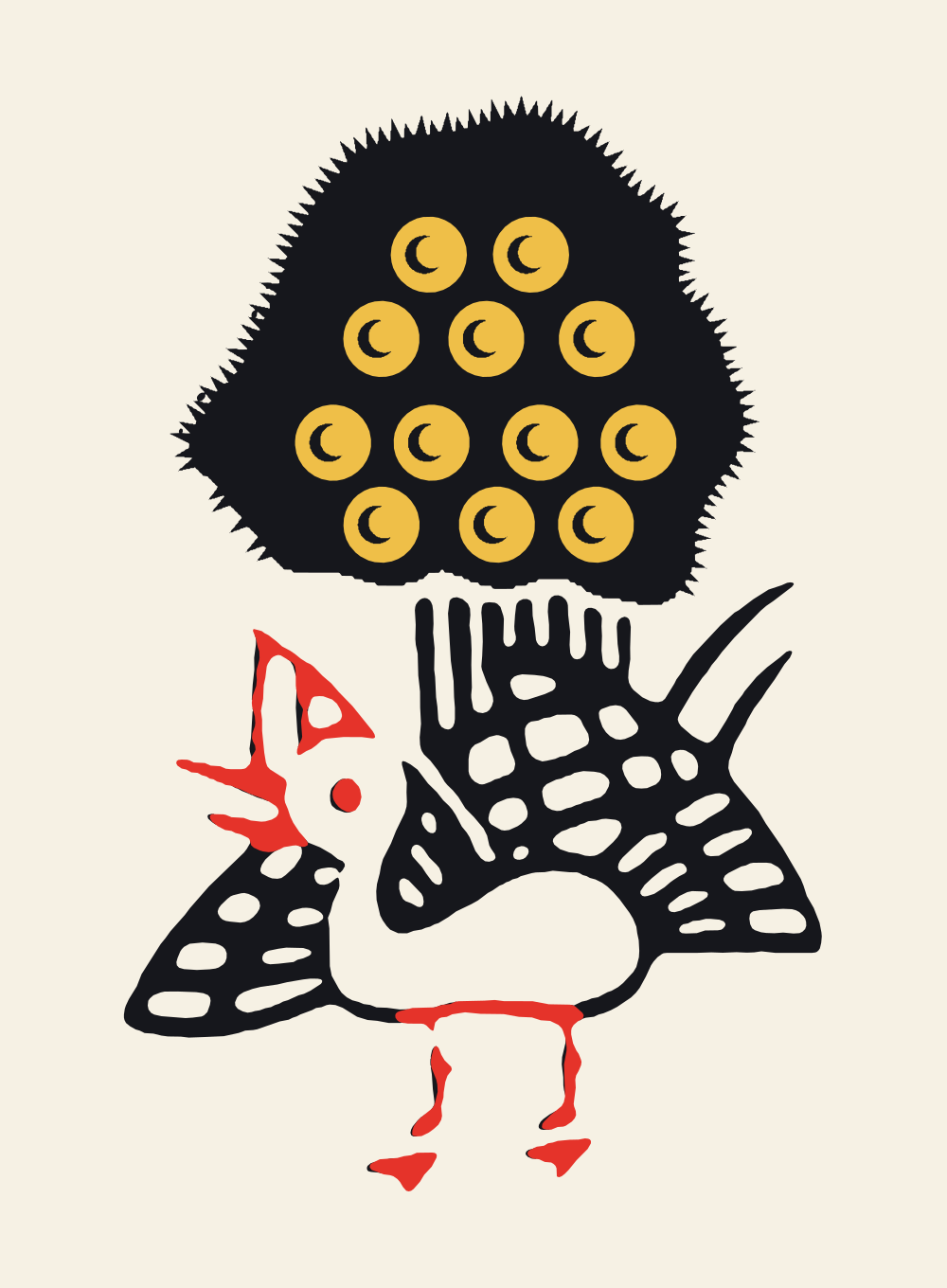
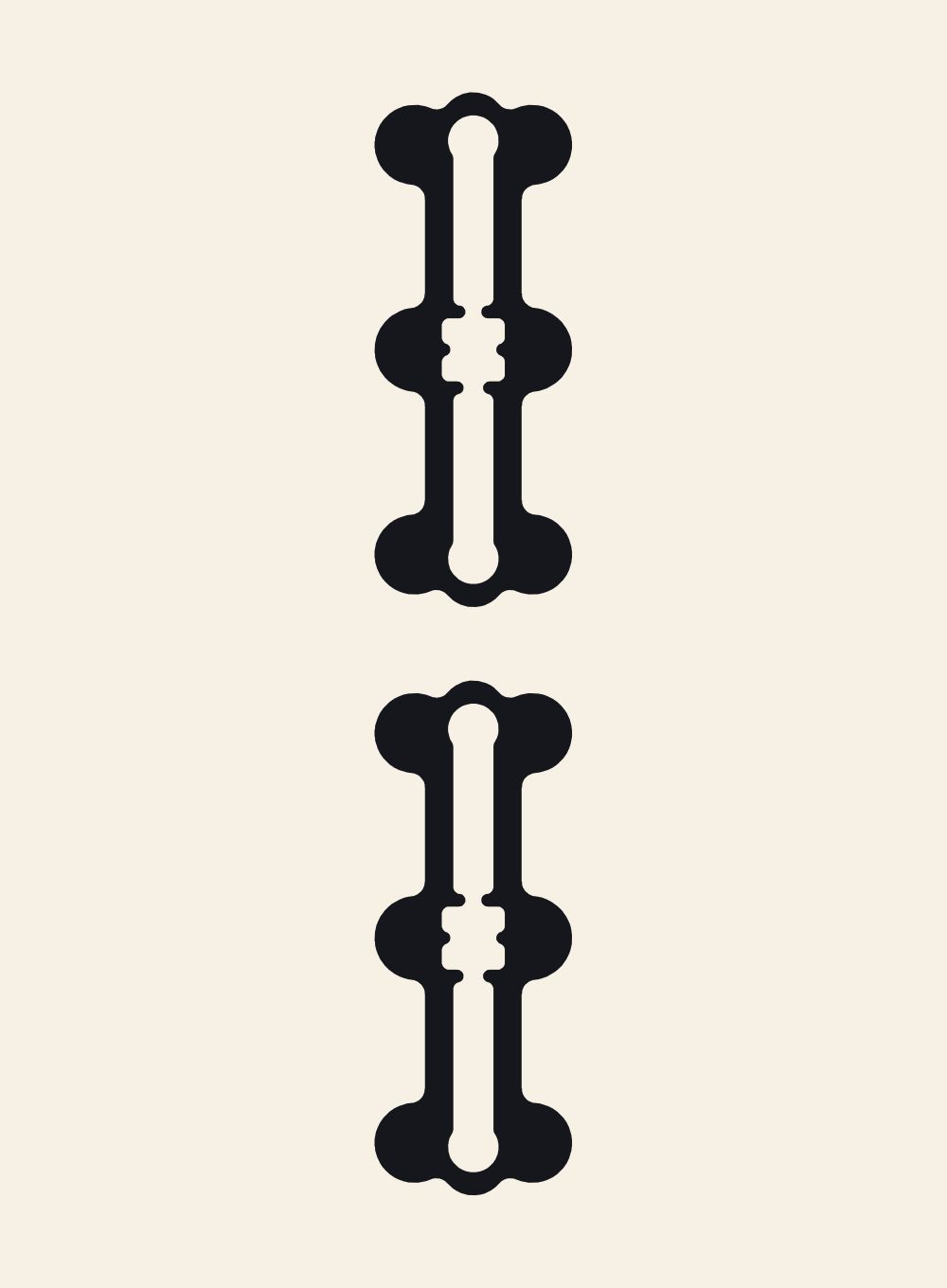 waiting only on
  , or
, or 
 on
on  . Adds 2 fu.
- Pon碰
Calling any player's discard to complete a triplet. Takes priority over chi. Opens your hand.
- Renchan連荘
The dealer keeping the seat for another hand, after winning or being tenpai at a draw.
- Riichi立直
Declaring a closed ready hand with a 1,000-point bet. 1 han, and the game's namesake.
- Rinshan嶺上
The replacement tile drawn from the dead wall after a kan. Winning on it is rinshan kaihou.
- Ron栄和
Winning on another player's discard. The discarder pays the whole hand.
- Ryanmen両面
The best wait: an open-ended pair of tiles like
waiting on 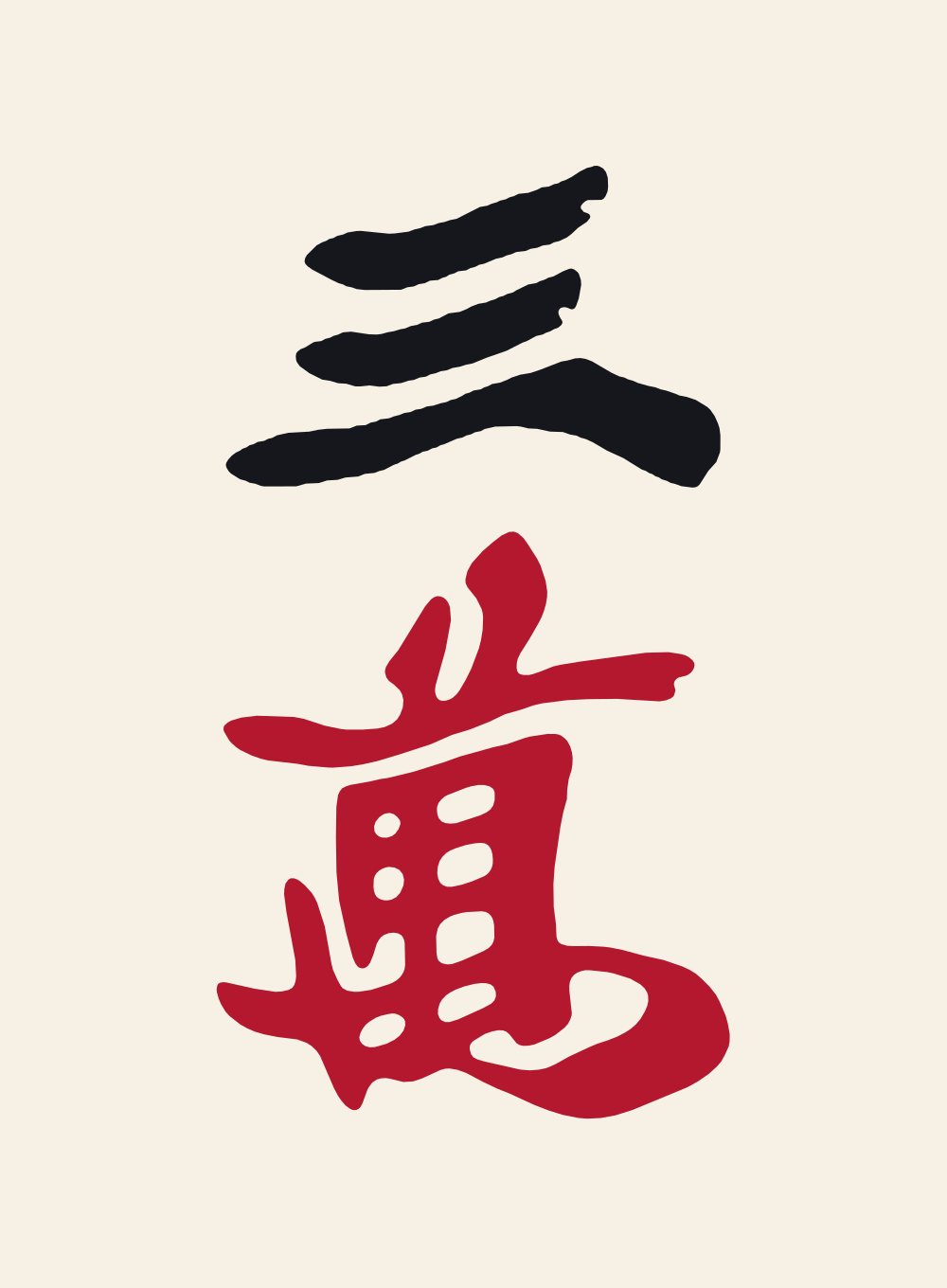
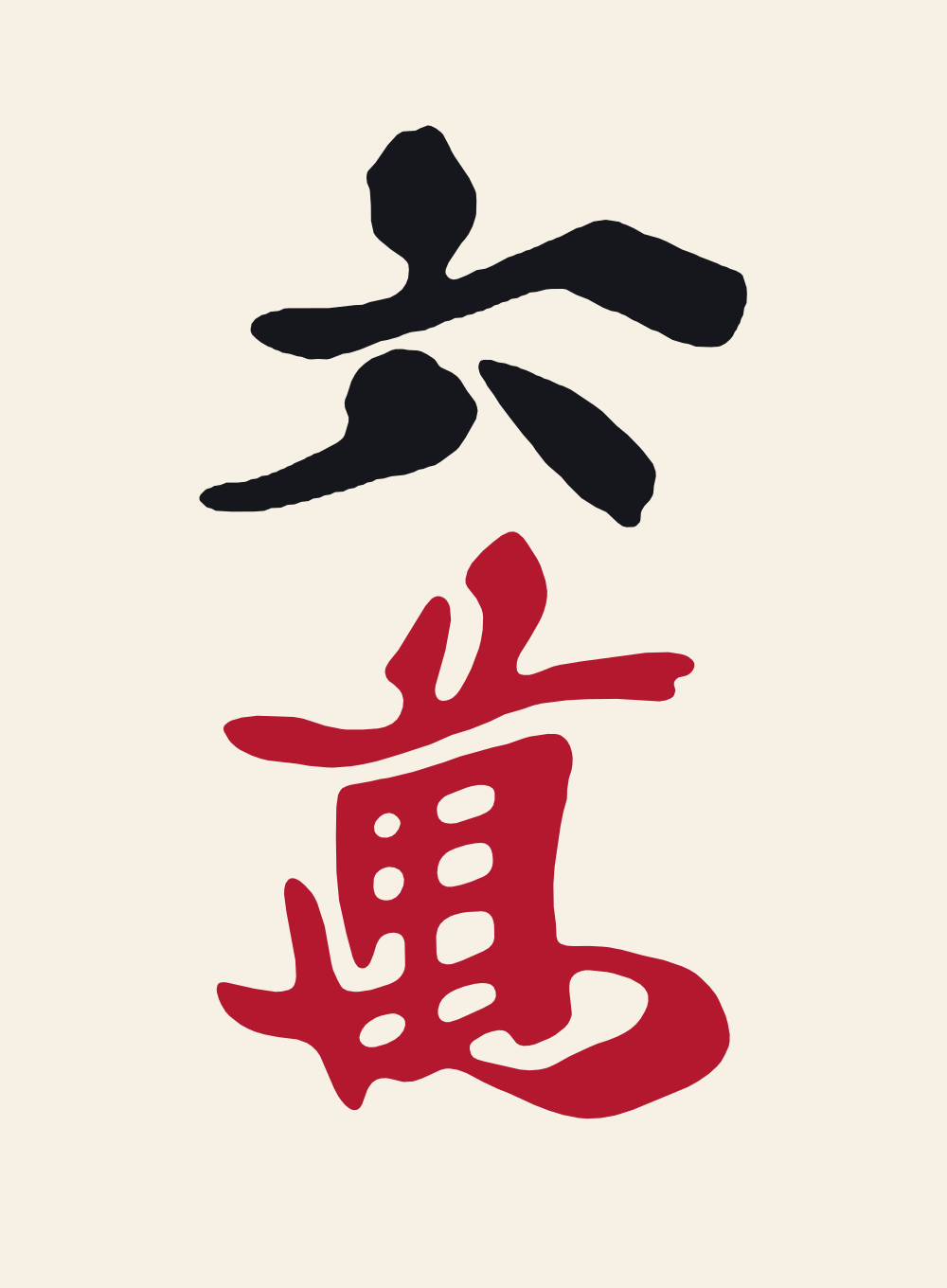 . Up to 8 winning tiles.
- Sanma三麻
Three-player mahjong, played without the 2–8 of characters. Mahjong Sushi plays four-player.
- Shanpon双碰
A double-pair wait:
waiting on either to become a triplet.- Shanten向聴
How many tiles you are from tenpai. 2-shanten means two useful draws to be ready. See tile efficiency.
- Simples中張牌 chunchanpai
The 2 through 8 of each suit.
- Suji筋
Tiles three apart (1-4-7, 2-5-8, 3-6-9). If a player discarded a 4, the 1 and 7 can't complete a two-sided wait for them, which makes suji a key defensive read.
- Tanki単騎
A pair wait: holding a single tile and waiting for its match. Adds 2 fu.
- Tenpai聴牌
Ready: one tile away from a complete hand. Being tenpai at the draw earns points from noten players.
- Terminals老頭牌
The 1s and 9s of each suit.
- Tobi飛び
Busting: a player dropping below zero points, which ends the game at once.
- Tonpuusen東風戦
An East-only game: four or more hands. Mahjong Sushi's quick game.
- Tsumo自摸
Winning on a tile you drew yourself. Everyone pays a share. With a closed hand it's also a yaku: menzen tsumo.
- Ukeire受け入れ
The number of tiles that improve your hand (lower its shanten). More ukeire means faster hands.
- Umaウマ
Placement bonus at the end of the game: +15 / +5 / −5 / −15 in Mahjong Soul rules.
- Ura dora裏ドラ
Hidden dora under the indicators, revealed only for a riichi winner. See ura dora.
- Wall山 yama
The tiles stacked face down that everyone draws from. The last 14 form the dead wall.
- Yaku役
A scoring pattern. A hand needs at least one to win. See the yaku list.
- Yakuhai役牌
Value tiles: dragons, your seat wind and the round wind. A triplet of any is a 1 han yaku.
- Yakuman役満
Limit hands like thirteen orphans or four concealed triplets: 32,000 points, 48,000 for the dealer.
Learn the words by playing
Mahjong Sushi explains each one the first time it comes up at the table: furiten, riichi, dora and the rest.
Play Mahjong Sushi