Mahjong Tiles: Names and Meanings
Every tile in a riichi mahjong set, with its English and Japanese name and its shorthand. The art is engraved from a real Japanese set, the same faces you play with in Mahjong Sushi.
What's in a set
A riichi set has 136 tiles: four copies each of 34 different tiles. There are three suits numbered 1 to 9 (108 tiles), four winds and three dragons (28 tiles). Unlike Chinese and American sets, riichi uses no flowers, seasons or jokers. Three of the fives are painted red and count as bonus dora.
| Group | Kinds | Copies | Tiles |
|---|---|---|---|
| Characters (man) | 9 | 4 | 36 |
| Dots (pin) | 9 | 4 | 36 |
| Bamboo (sou) | 9 | 4 | 36 |
| Winds | 4 | 4 | 16 |
| Dragons | 3 | 4 | 12 |
| Total | 34 | 136 |
The three suits
Characters 萬子 manzu
Also called cracks or man. Each tile shows a number in Chinese and the character 萬 (ten thousand).
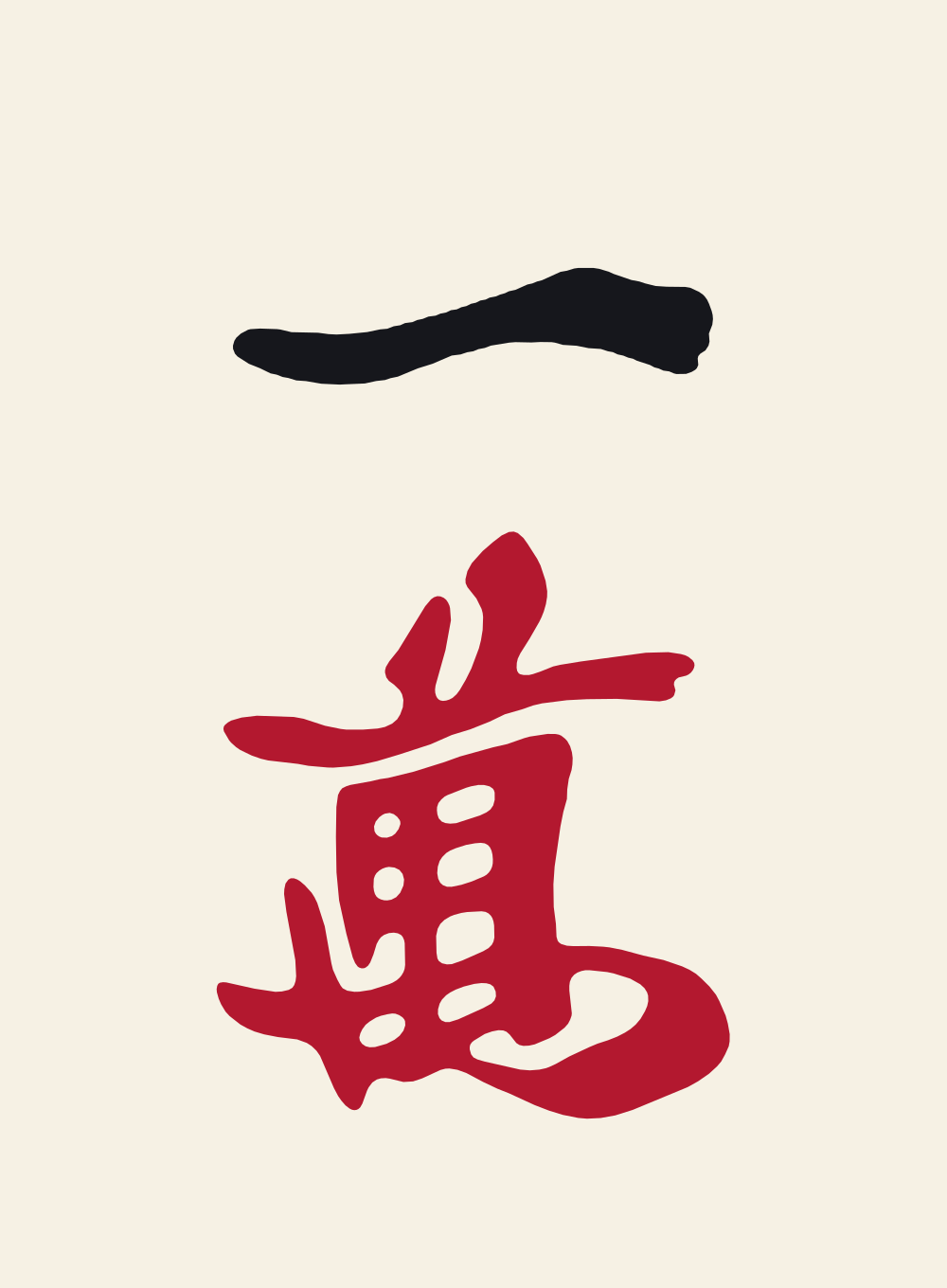 1 Charactersイーマン
1m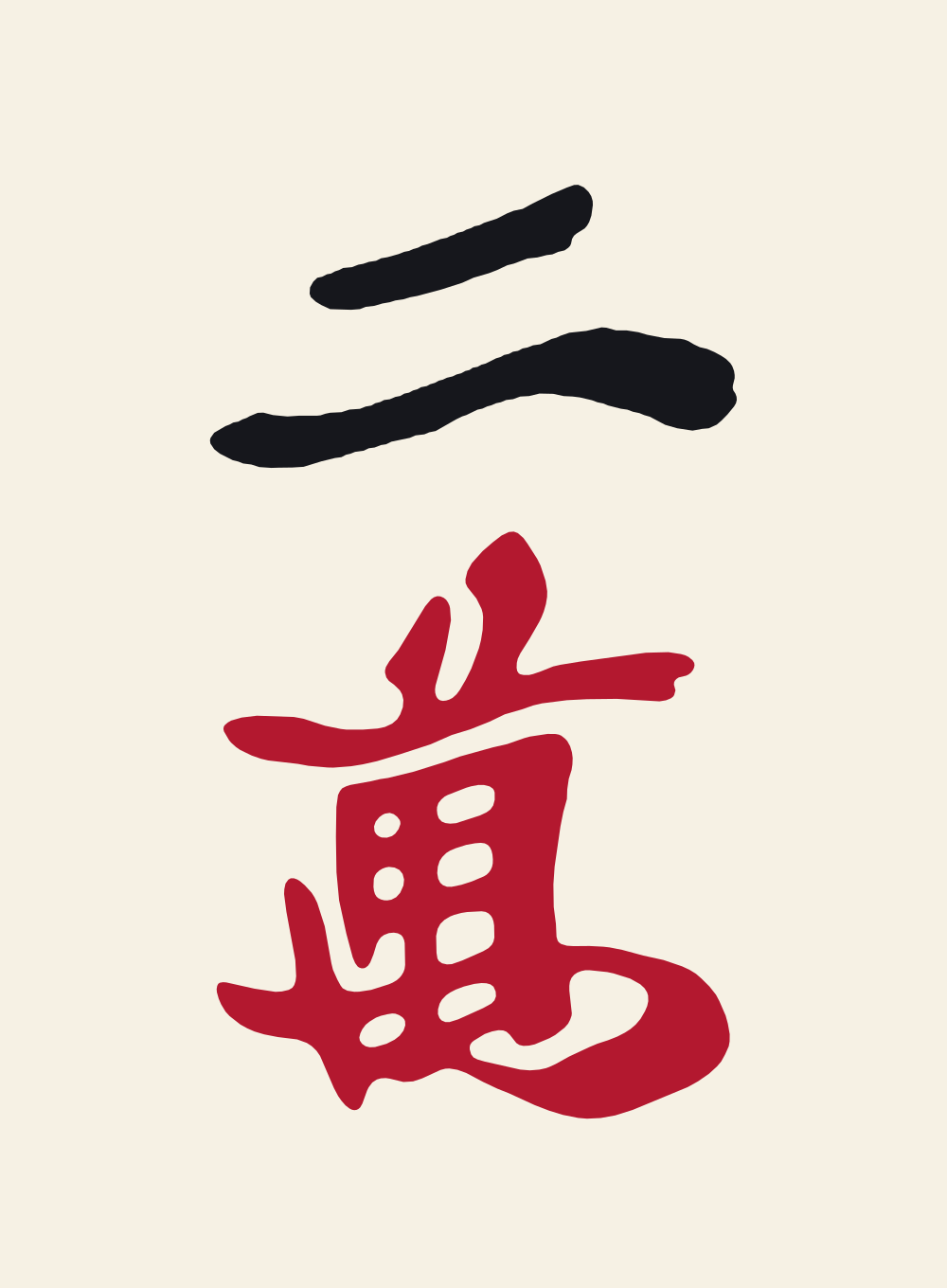 2 Charactersリャンマン
2m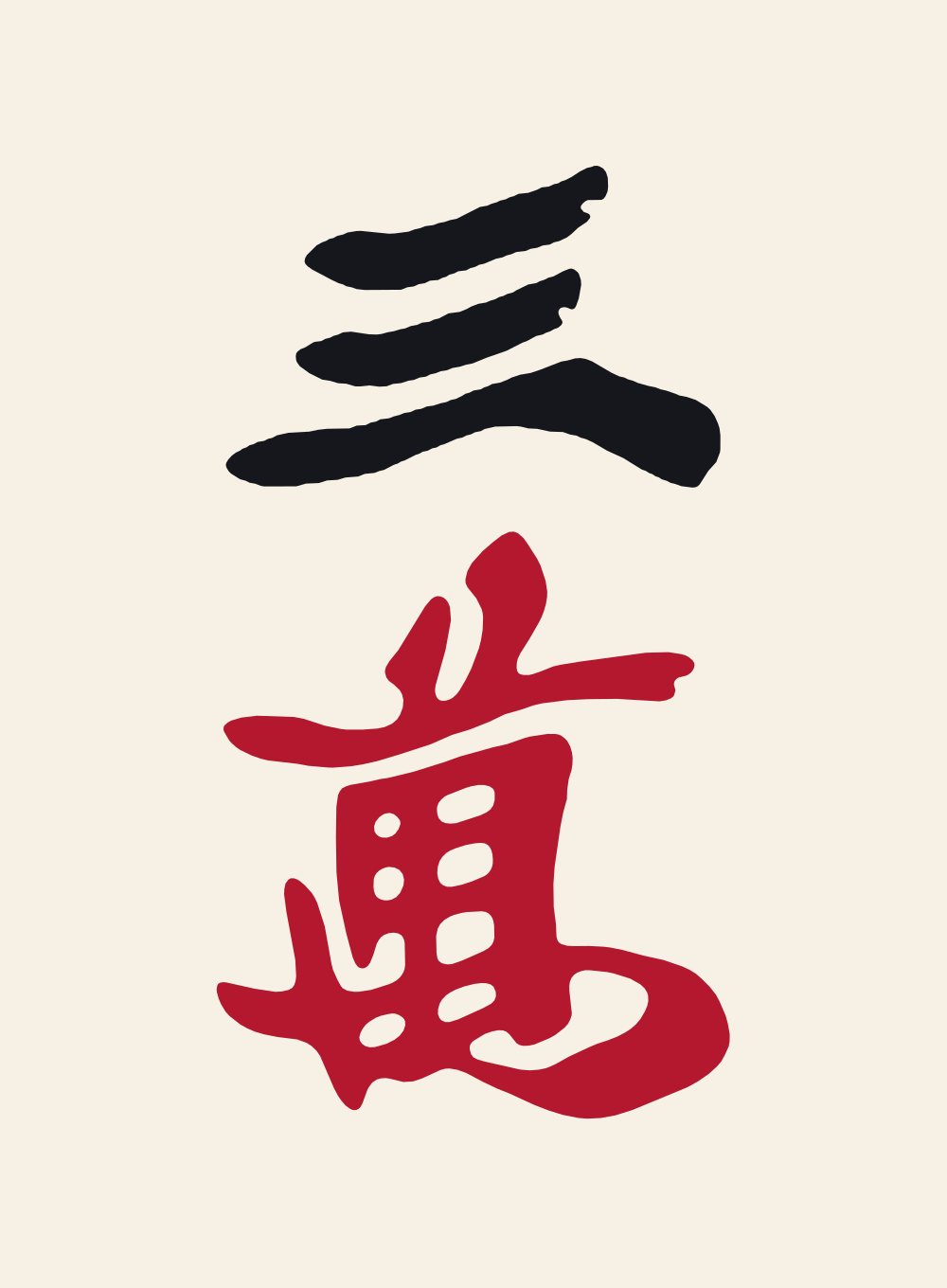 3 Charactersサンマン
3m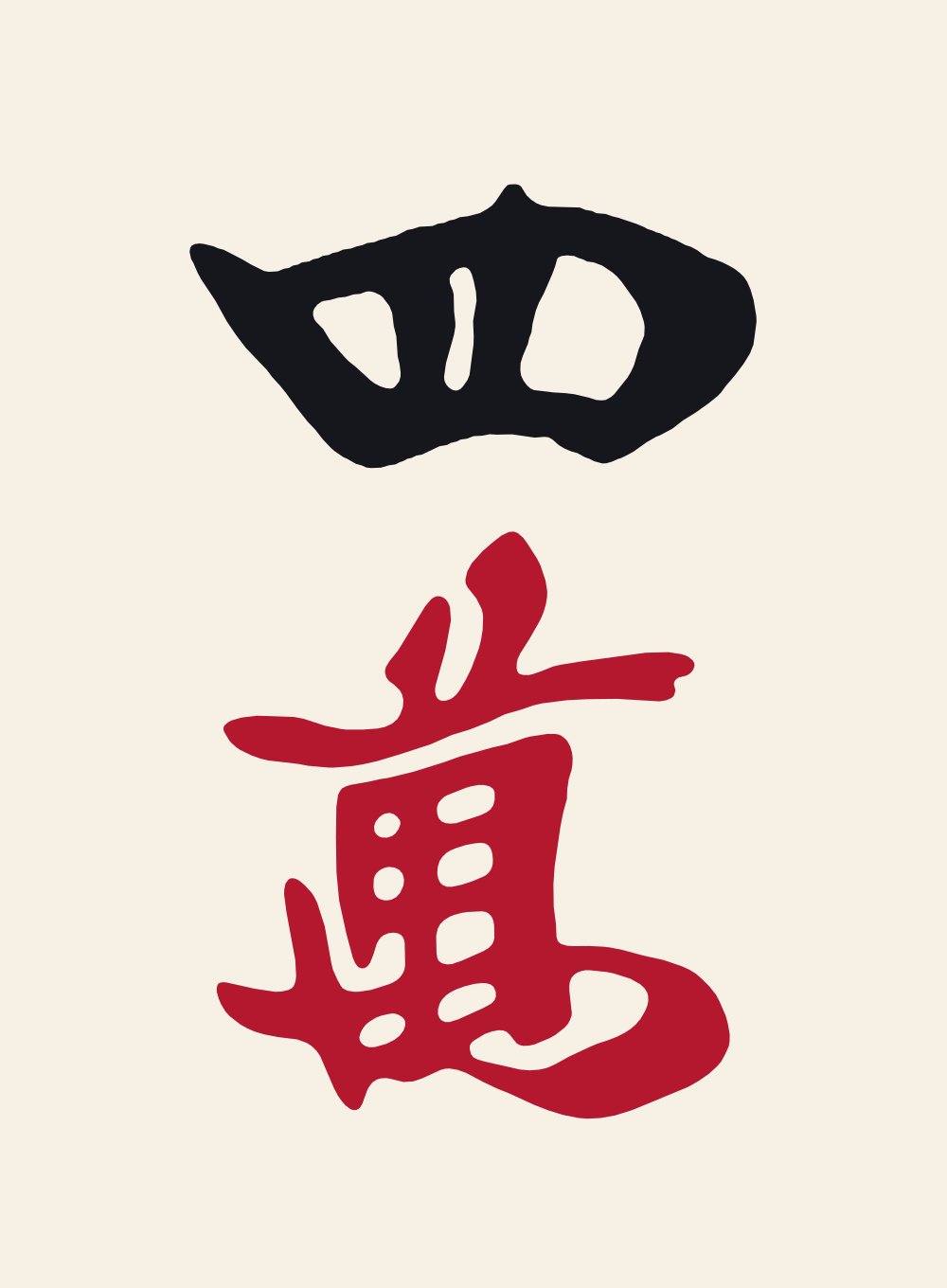 4 Charactersスーマン
4m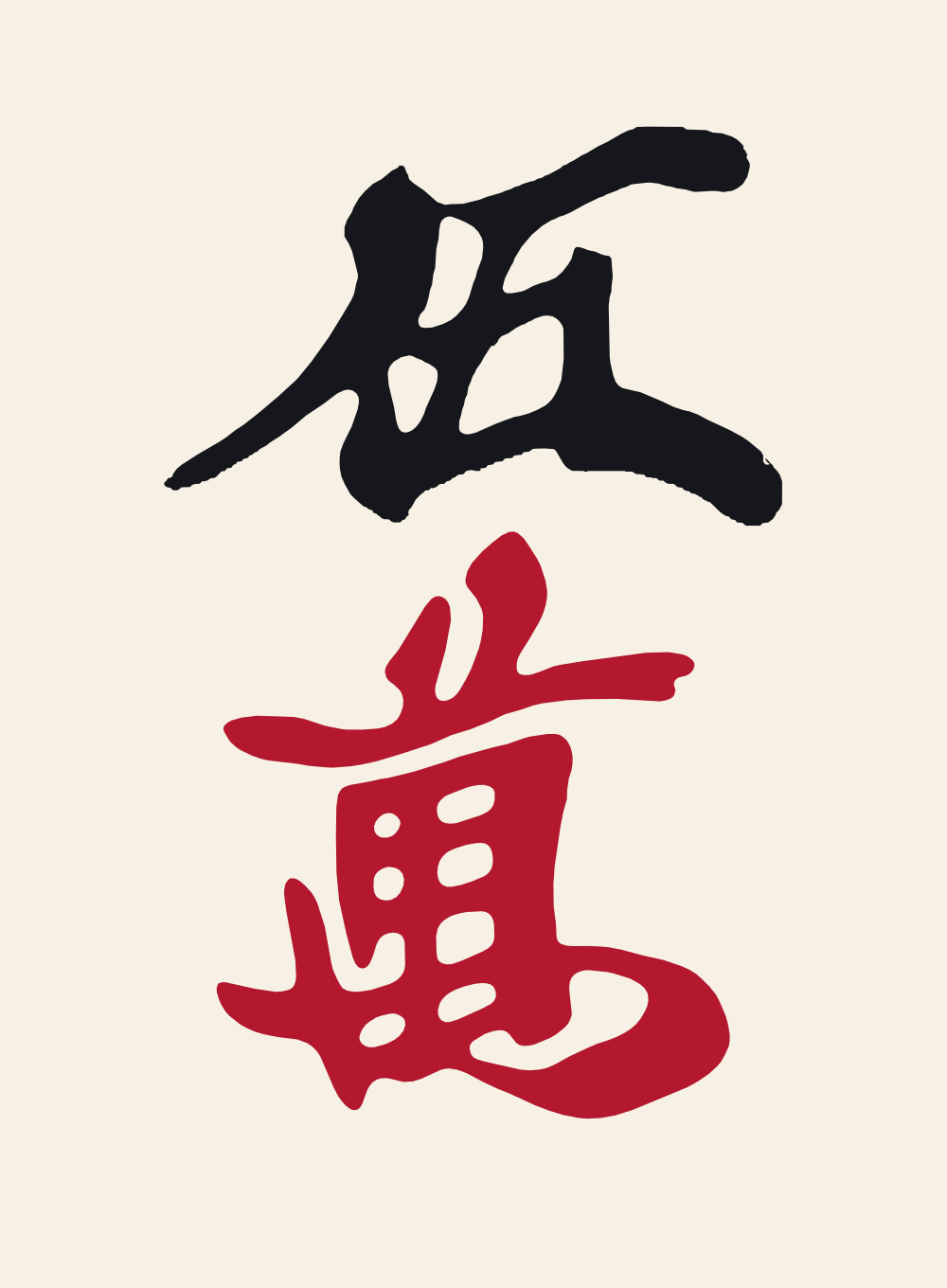 5 Charactersウーマン
5m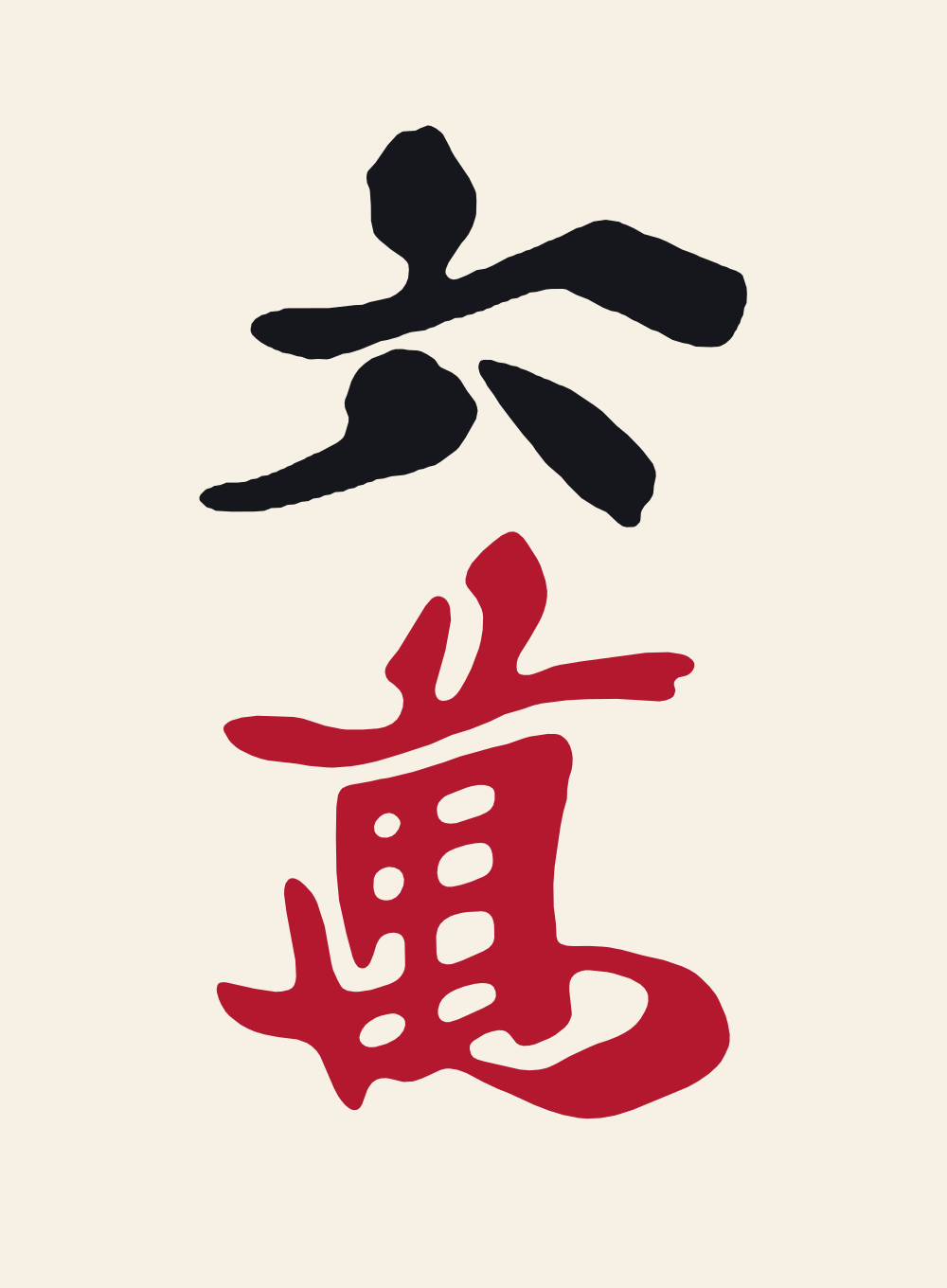 6 Charactersローマン
6m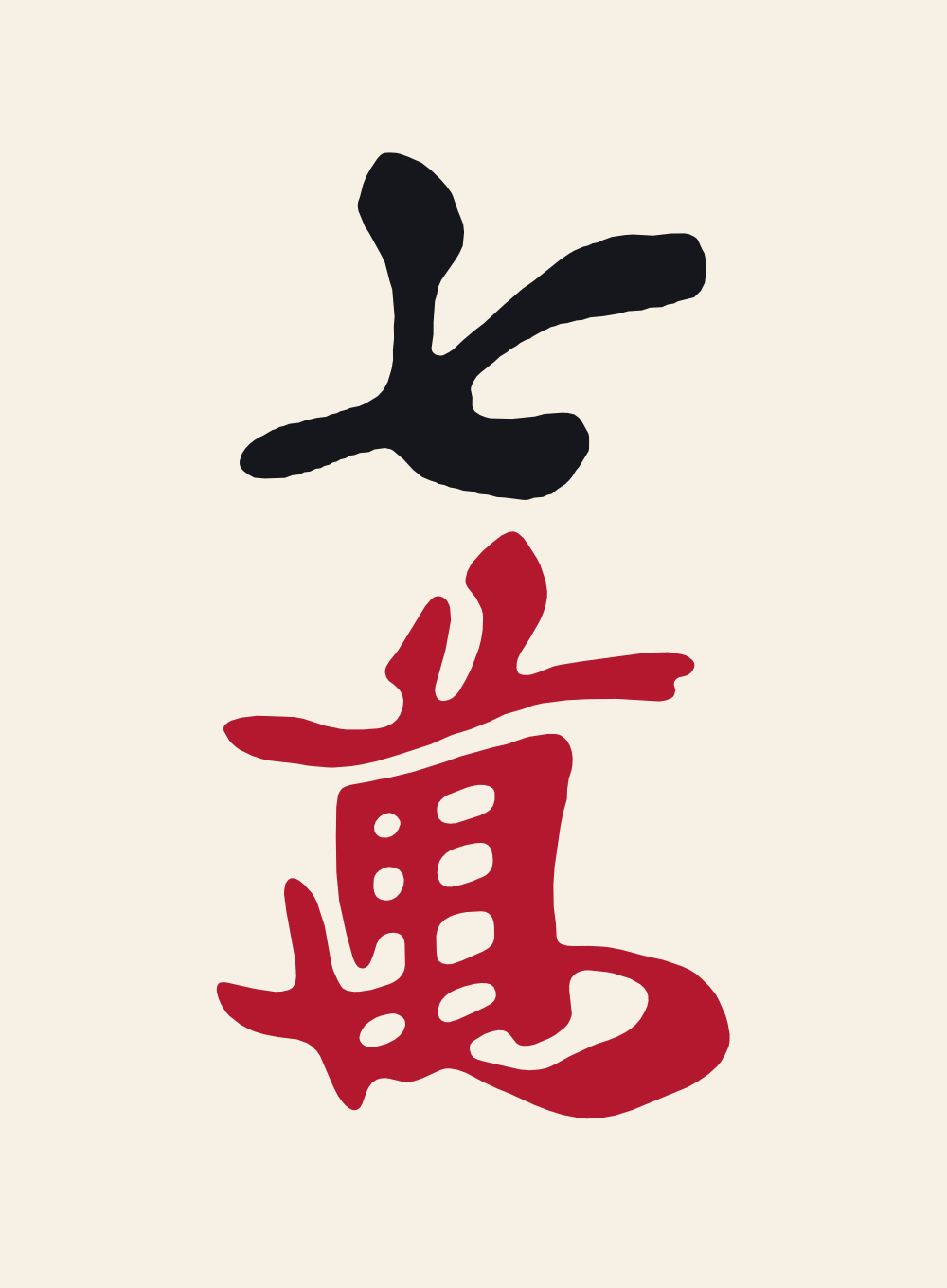 7 Charactersチーマン
7m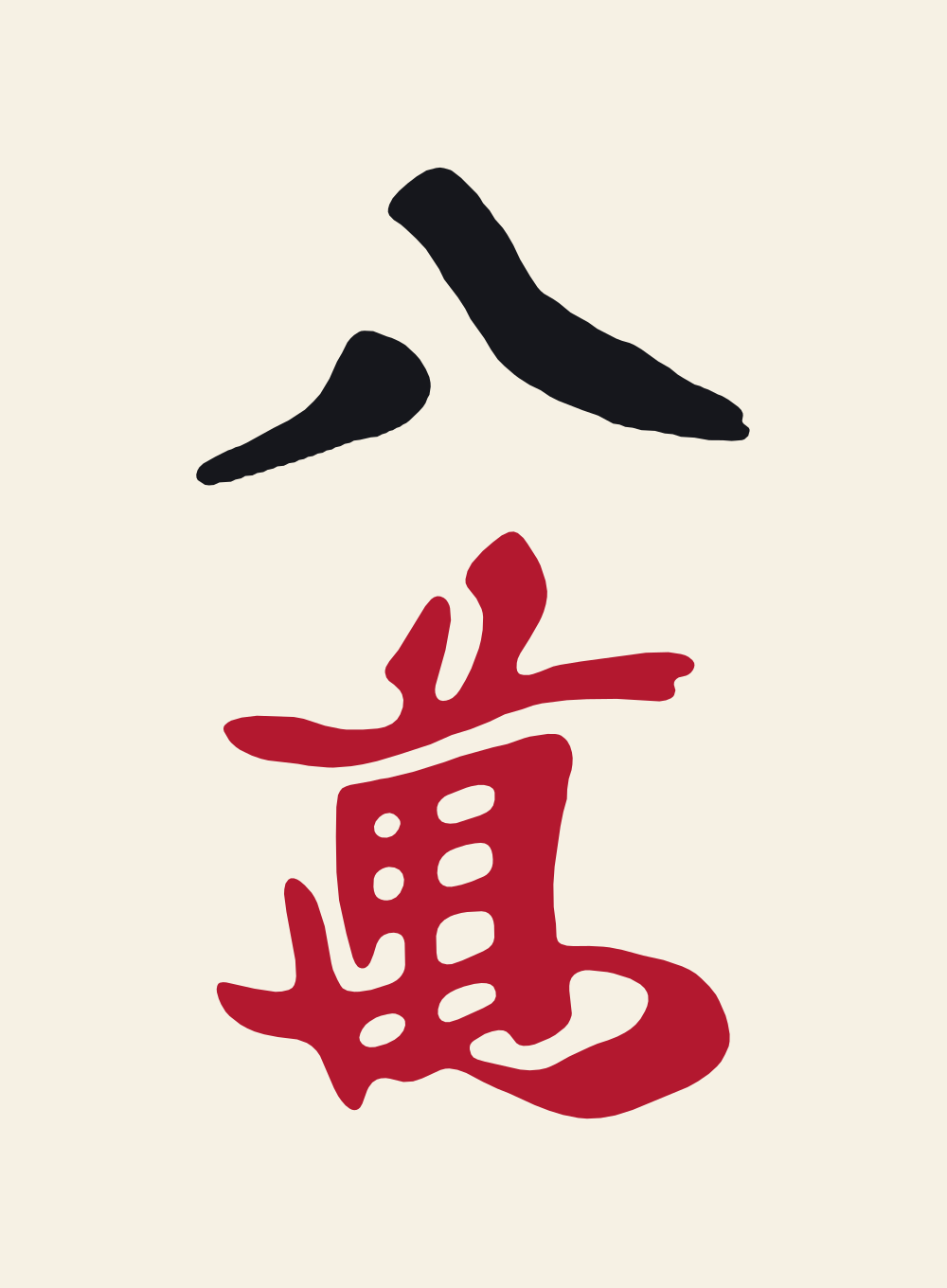 8 Charactersパーマン
8m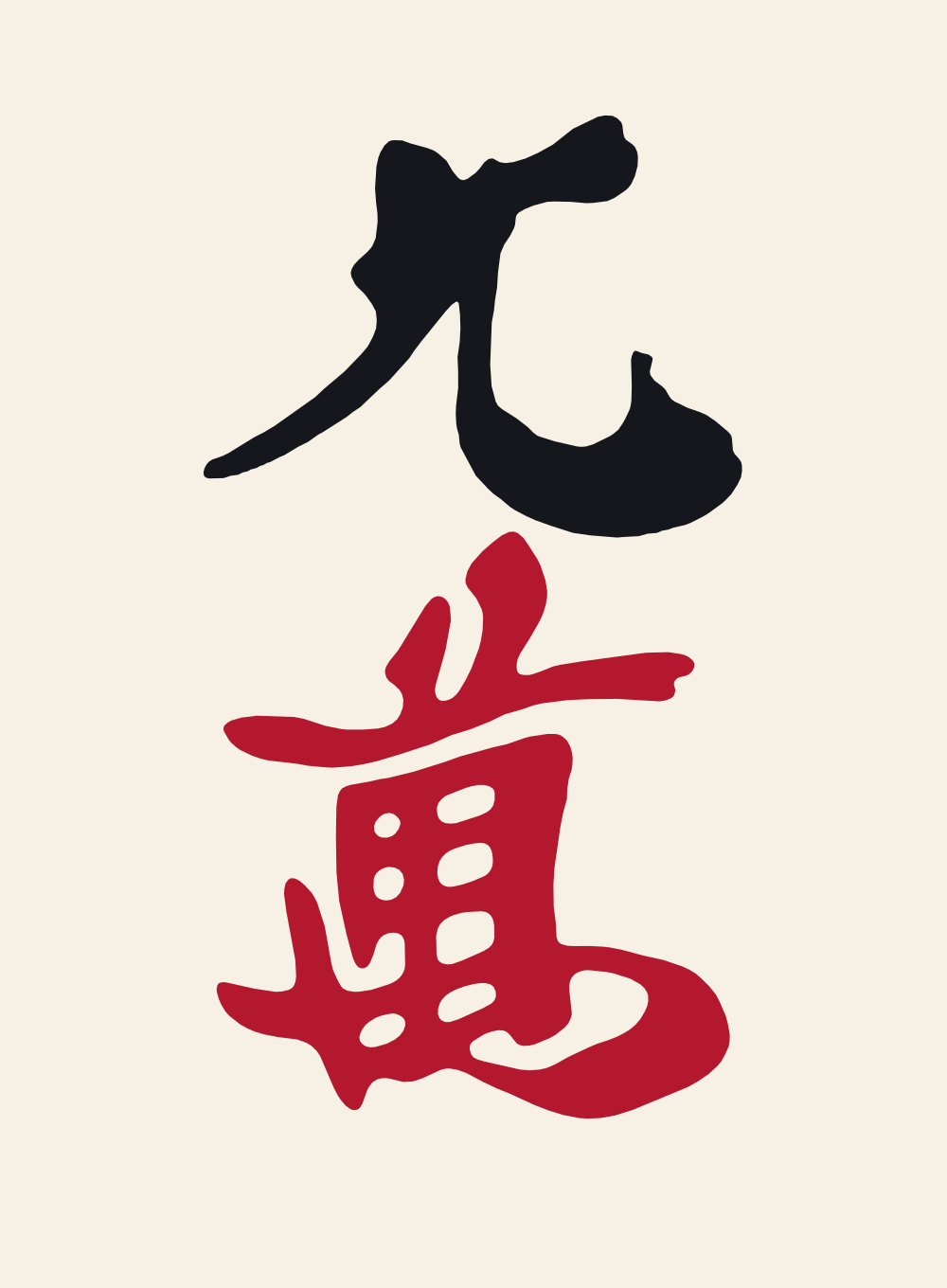 9 Charactersキューマン
9mDots 筒子 pinzu
Also called circles, coins or pin. The number of coins is the number of the tile.
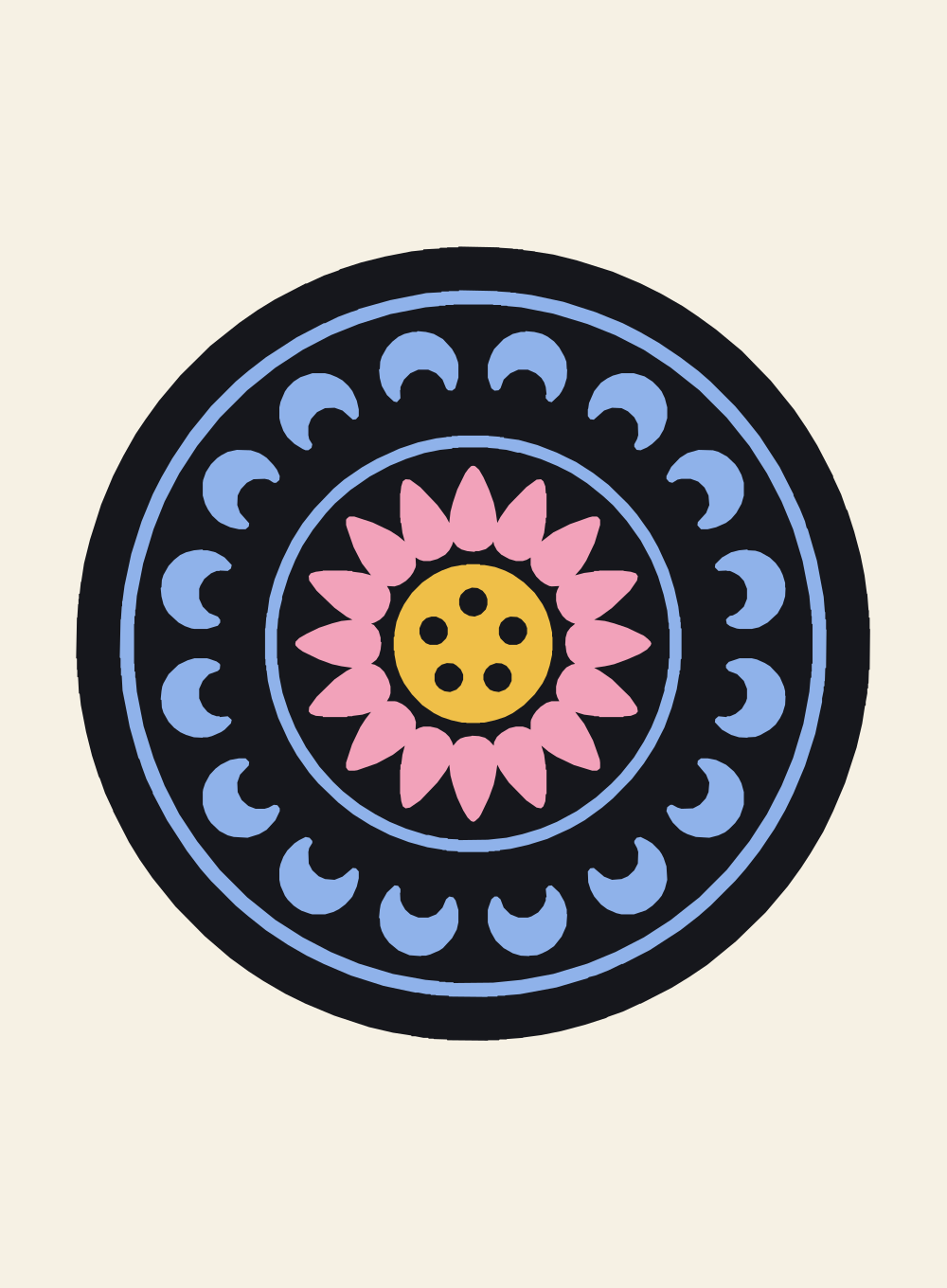 1 Dotsイーピン
1p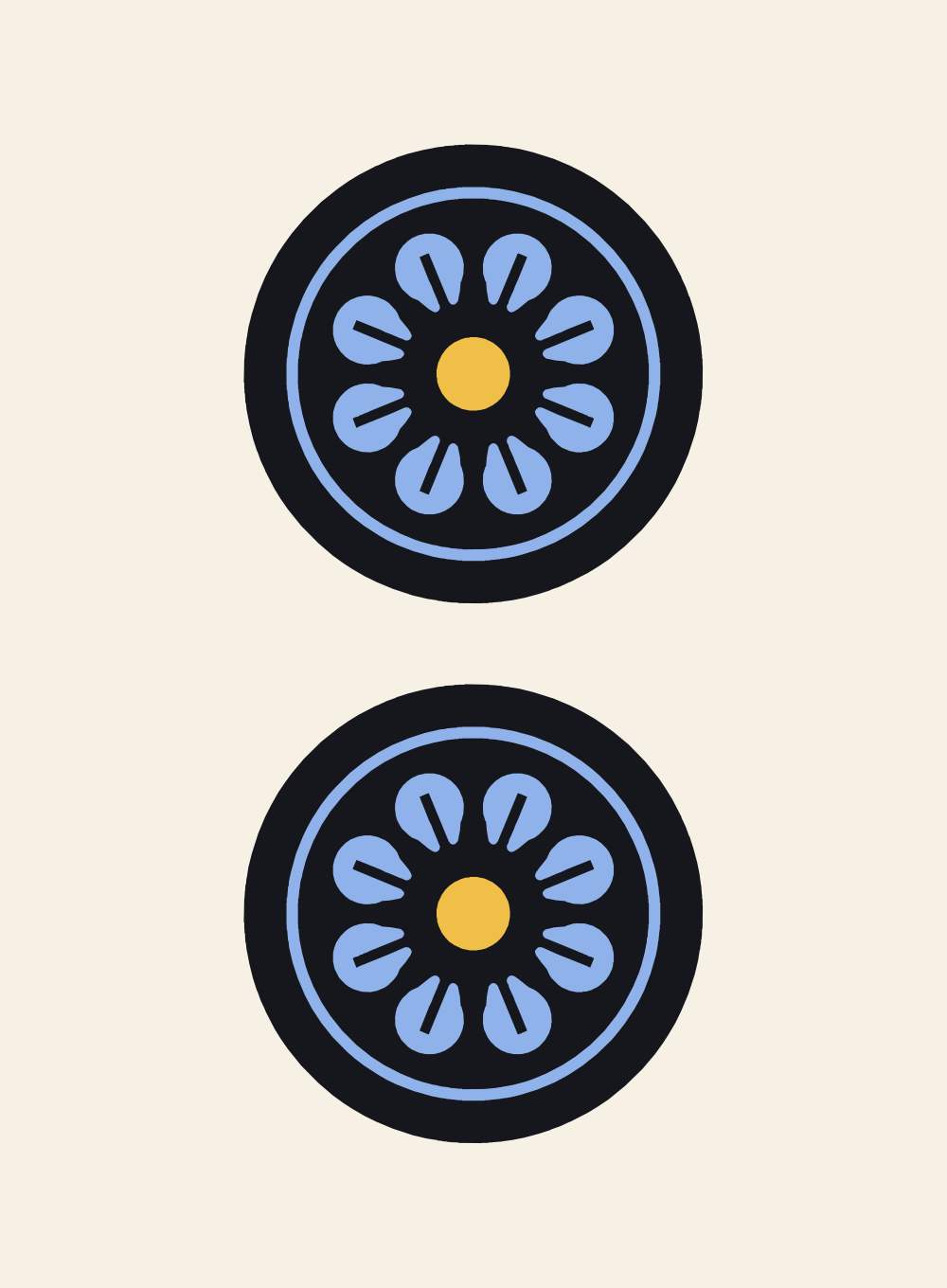 2 Dotsリャンピン
2p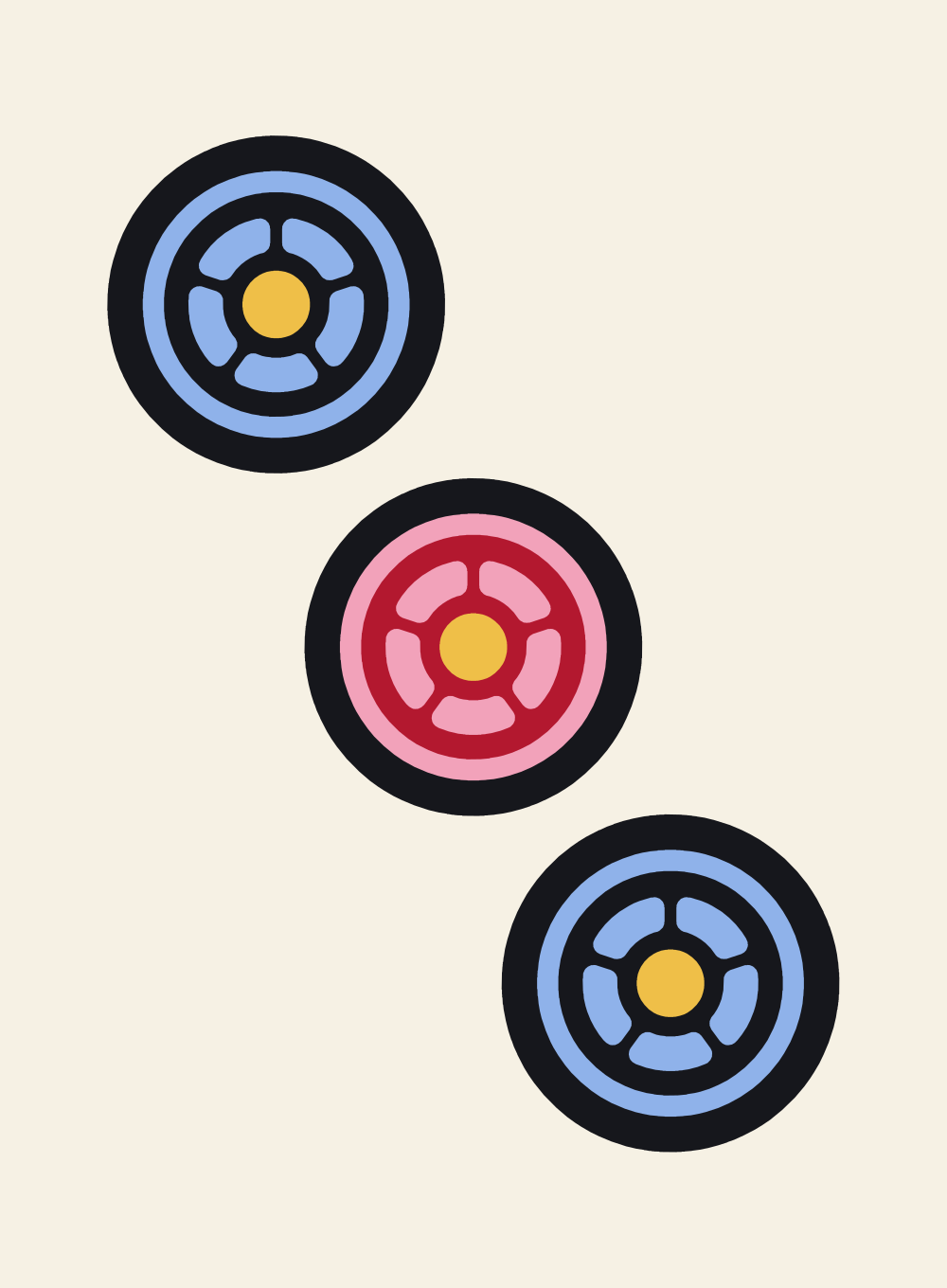 3 Dotsサンピン
3p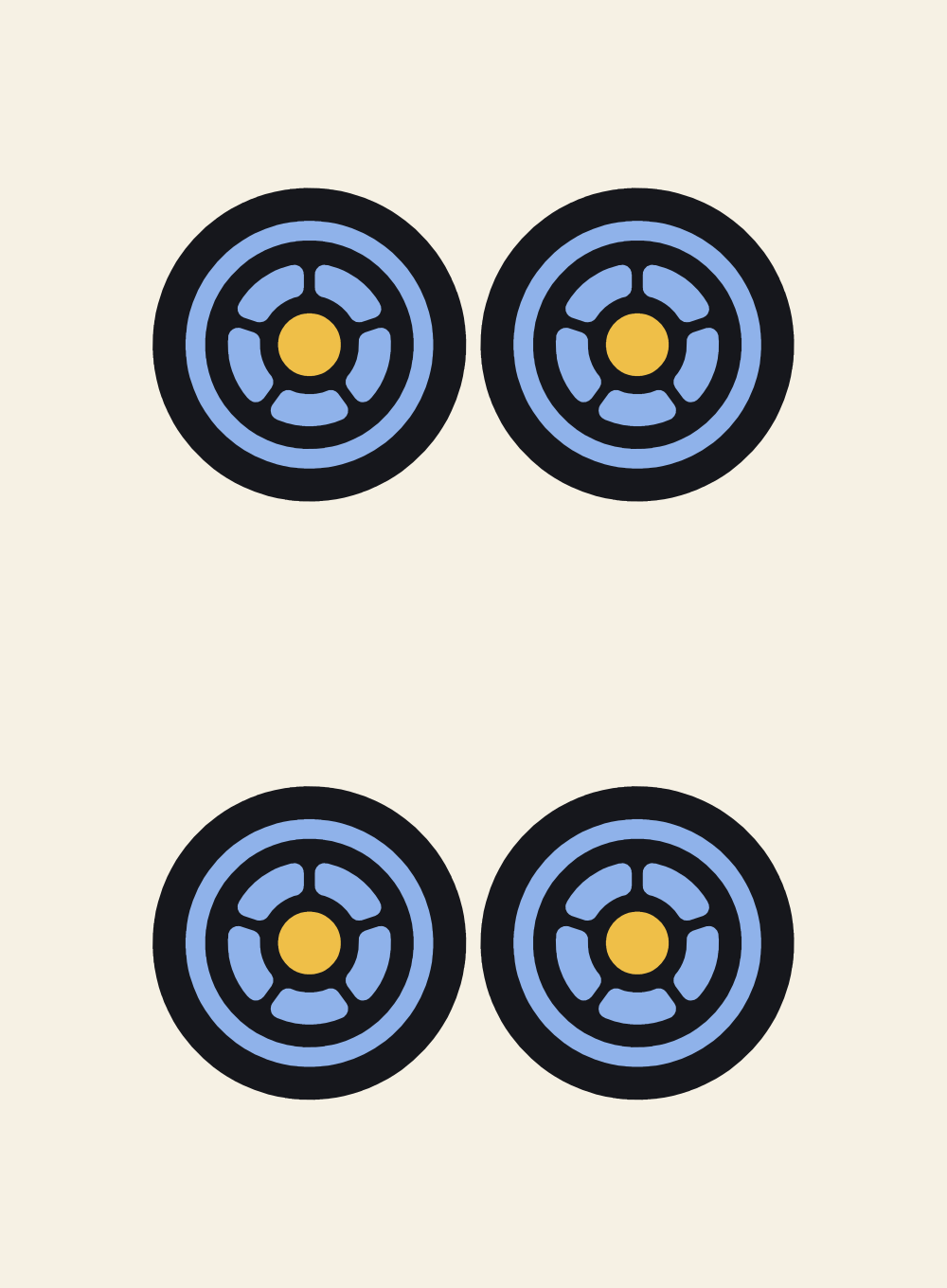 4 Dotsスーピン
4p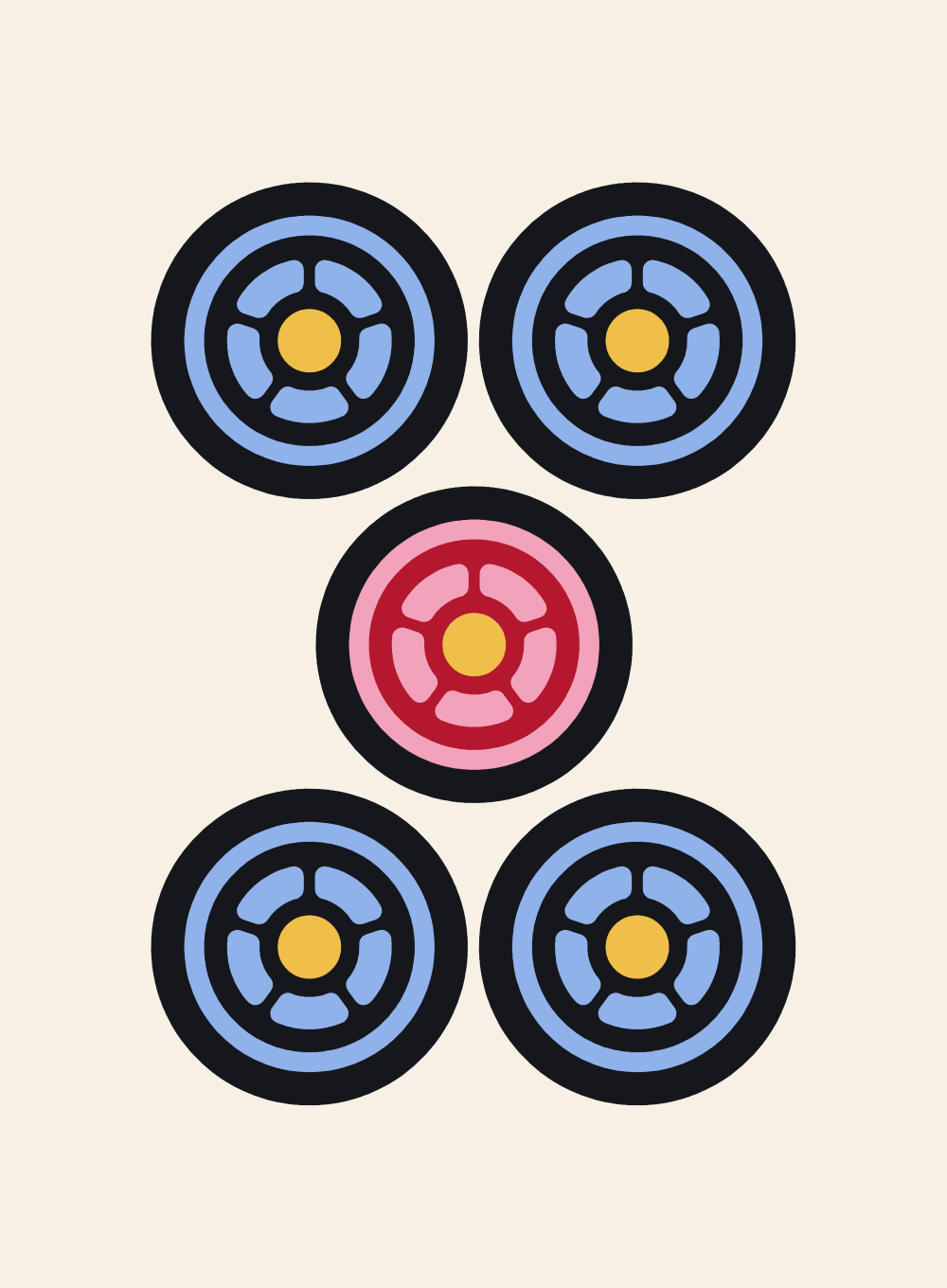 5 Dotsウーピン
5p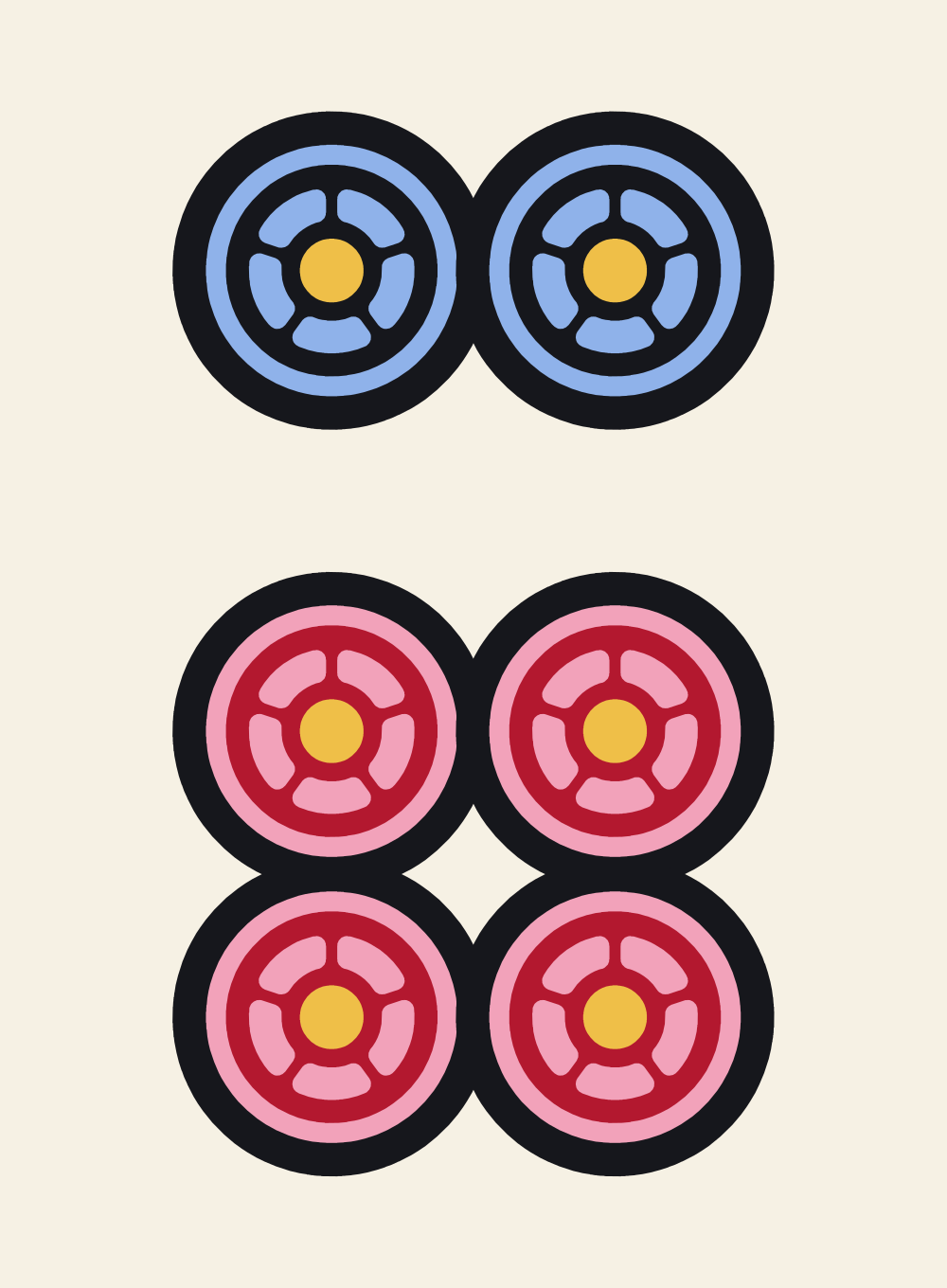 6 Dotsローピン
6p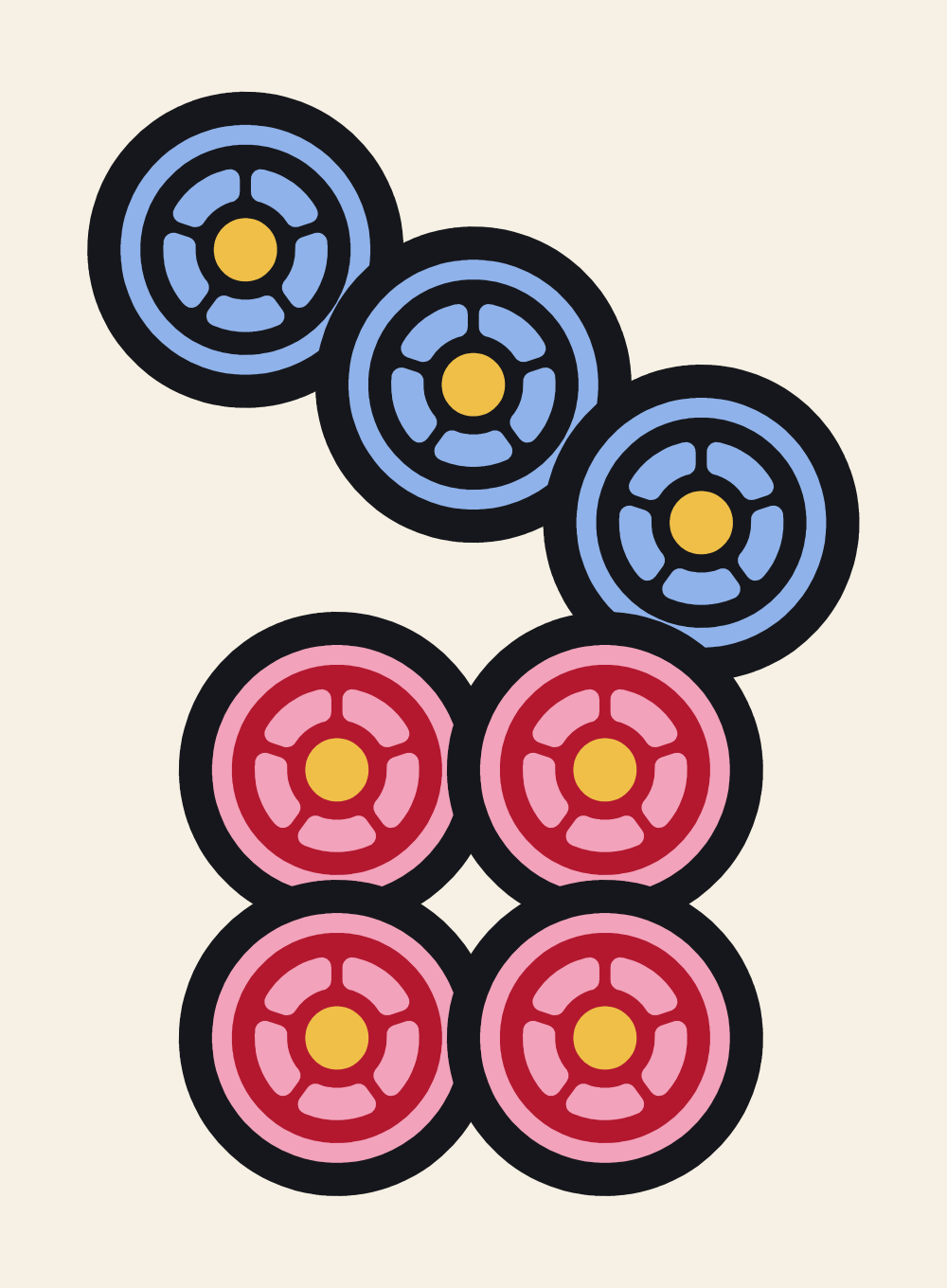 7 Dotsチーピン
7p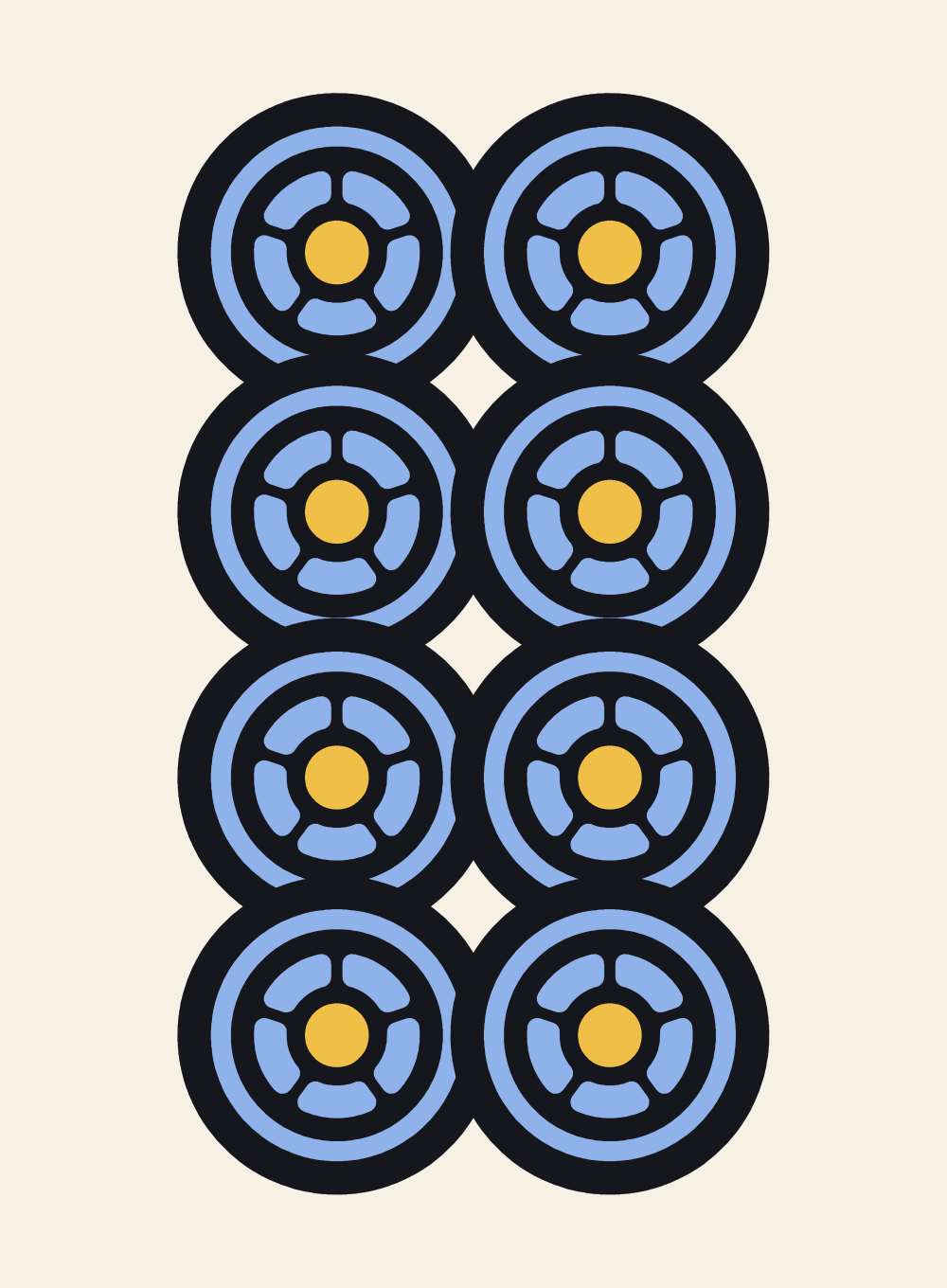 8 Dotsパーピン
8p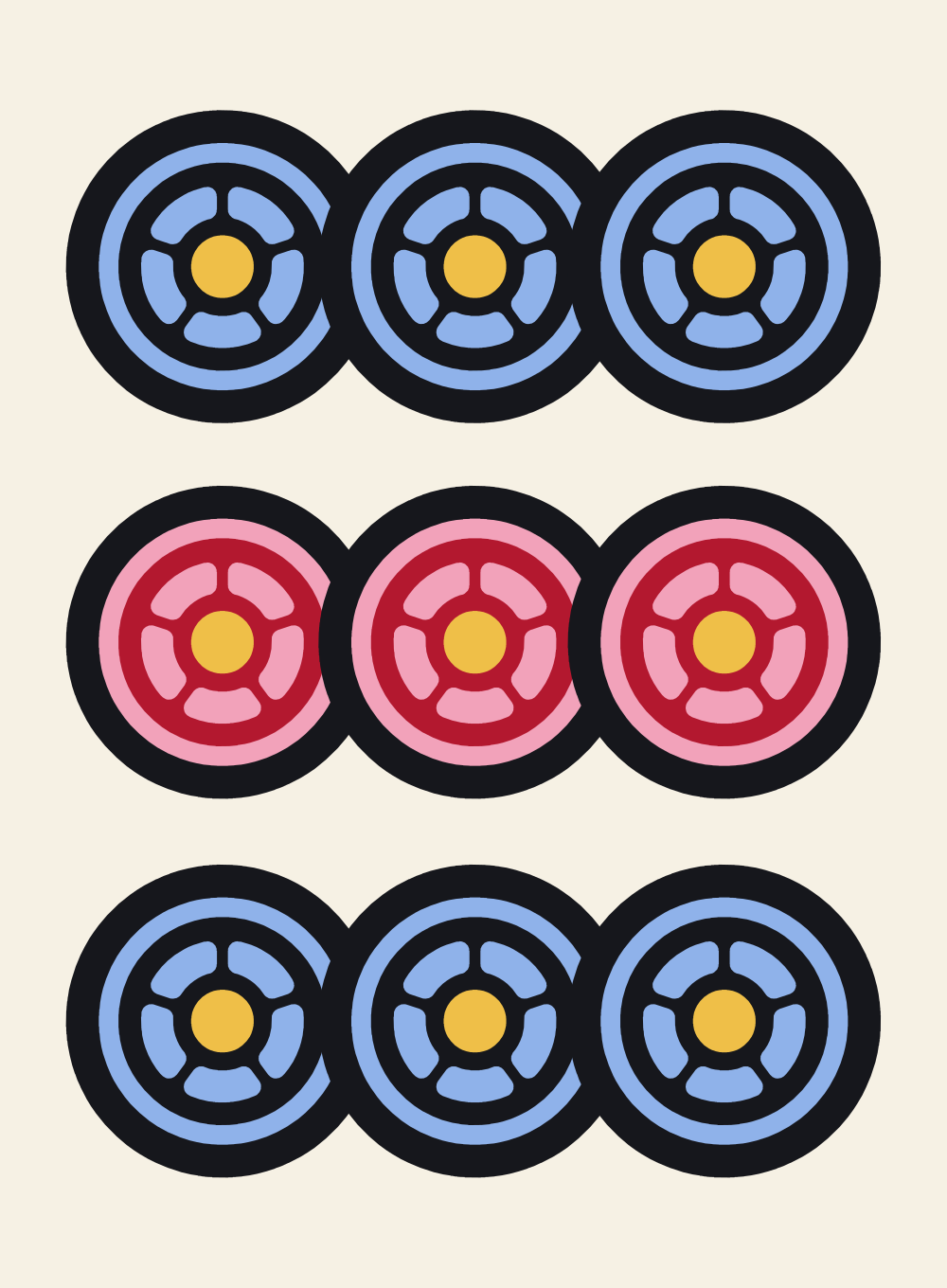 9 Dotsキューピン
9pBamboo 索子 souzu
Also called sticks or sou. The 1 of bamboo is drawn as a bird, usually a peacock or sparrow.
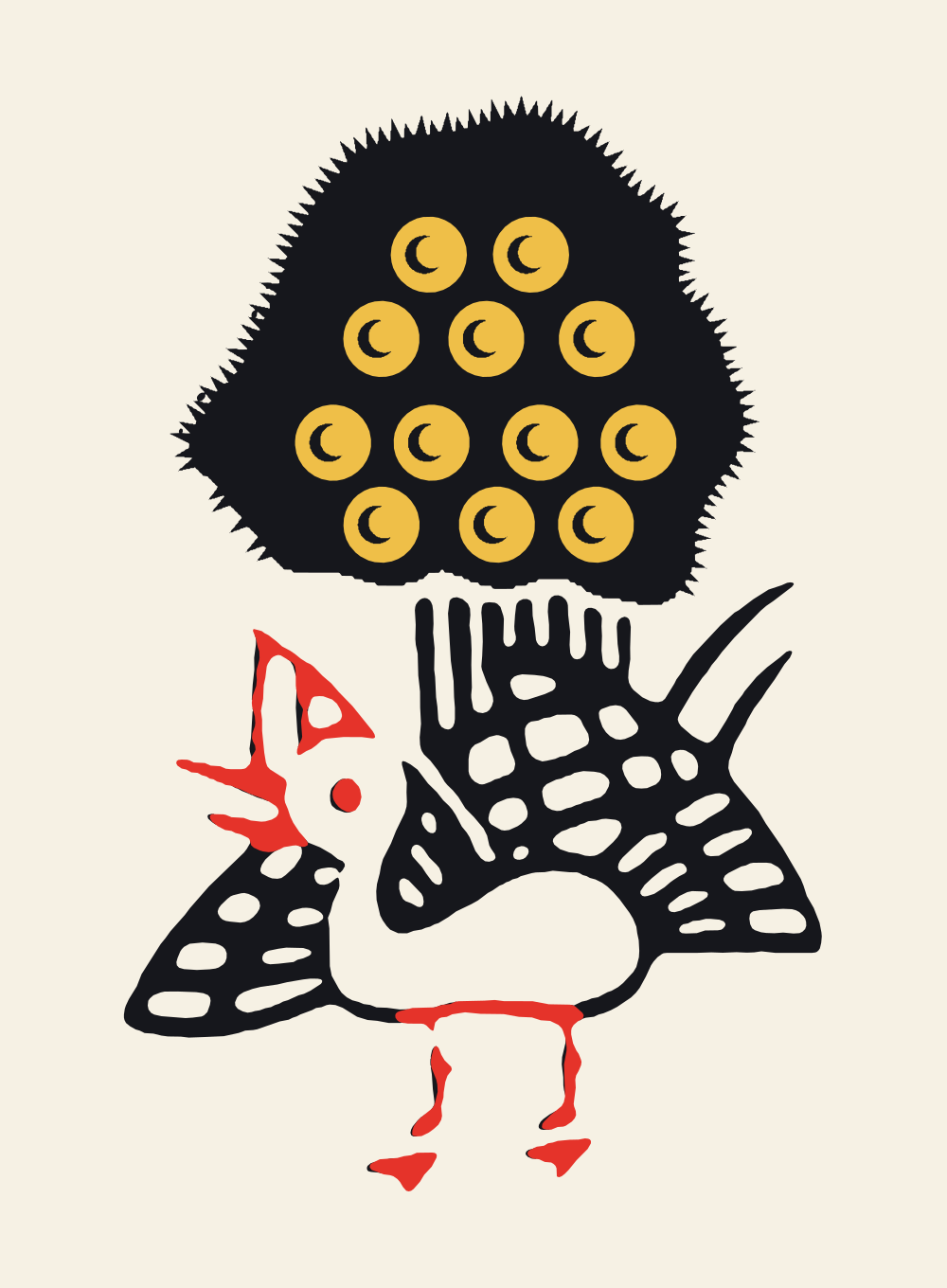 1 Bambooイーソー
1s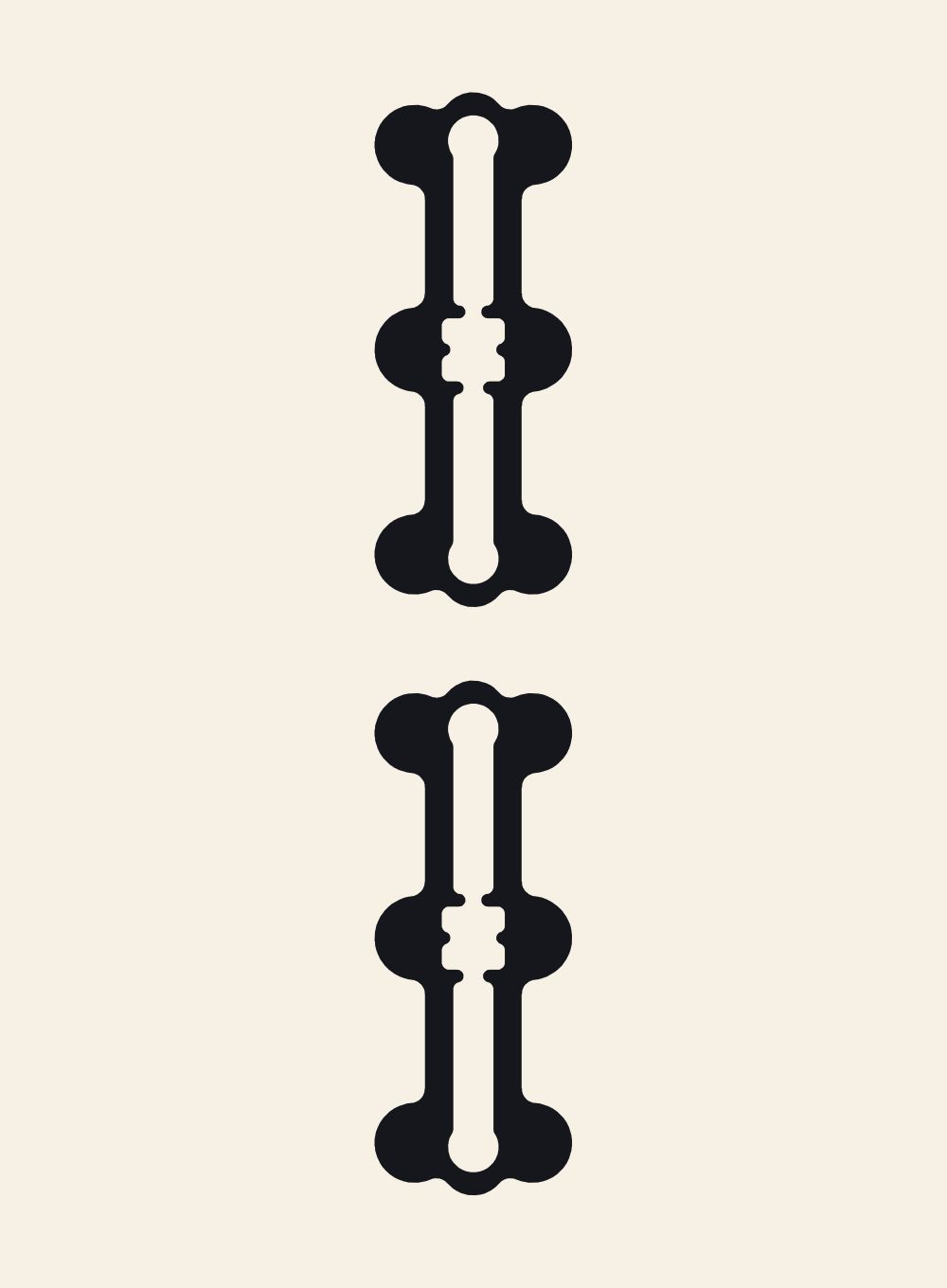 2 Bambooリャンソー
2s 3 Bambooサンソー
3s 4 Bambooスーソー
4s 5 Bambooウーソー
5s 6 Bambooローソー
6s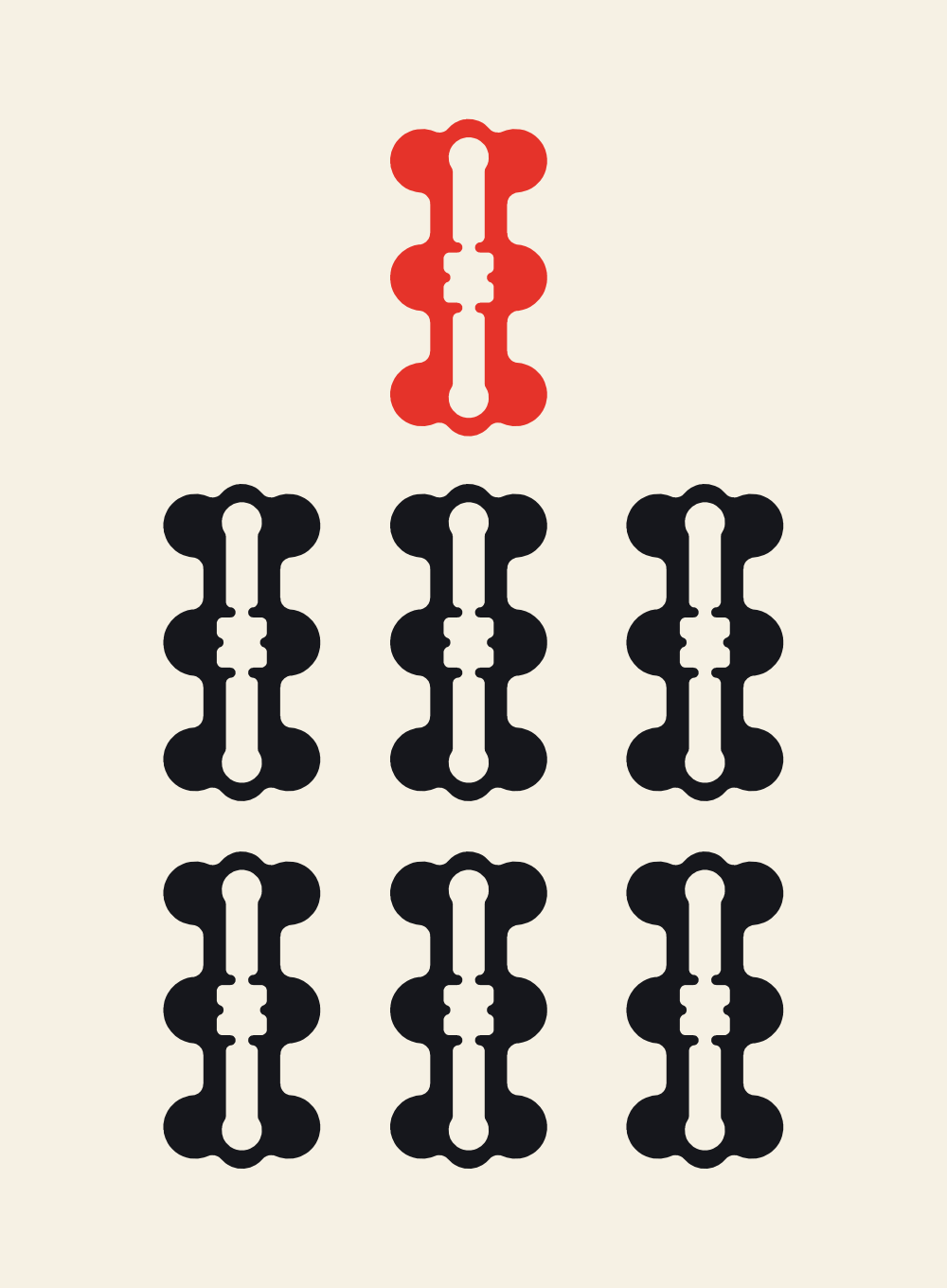 7 Bambooチーソー
7s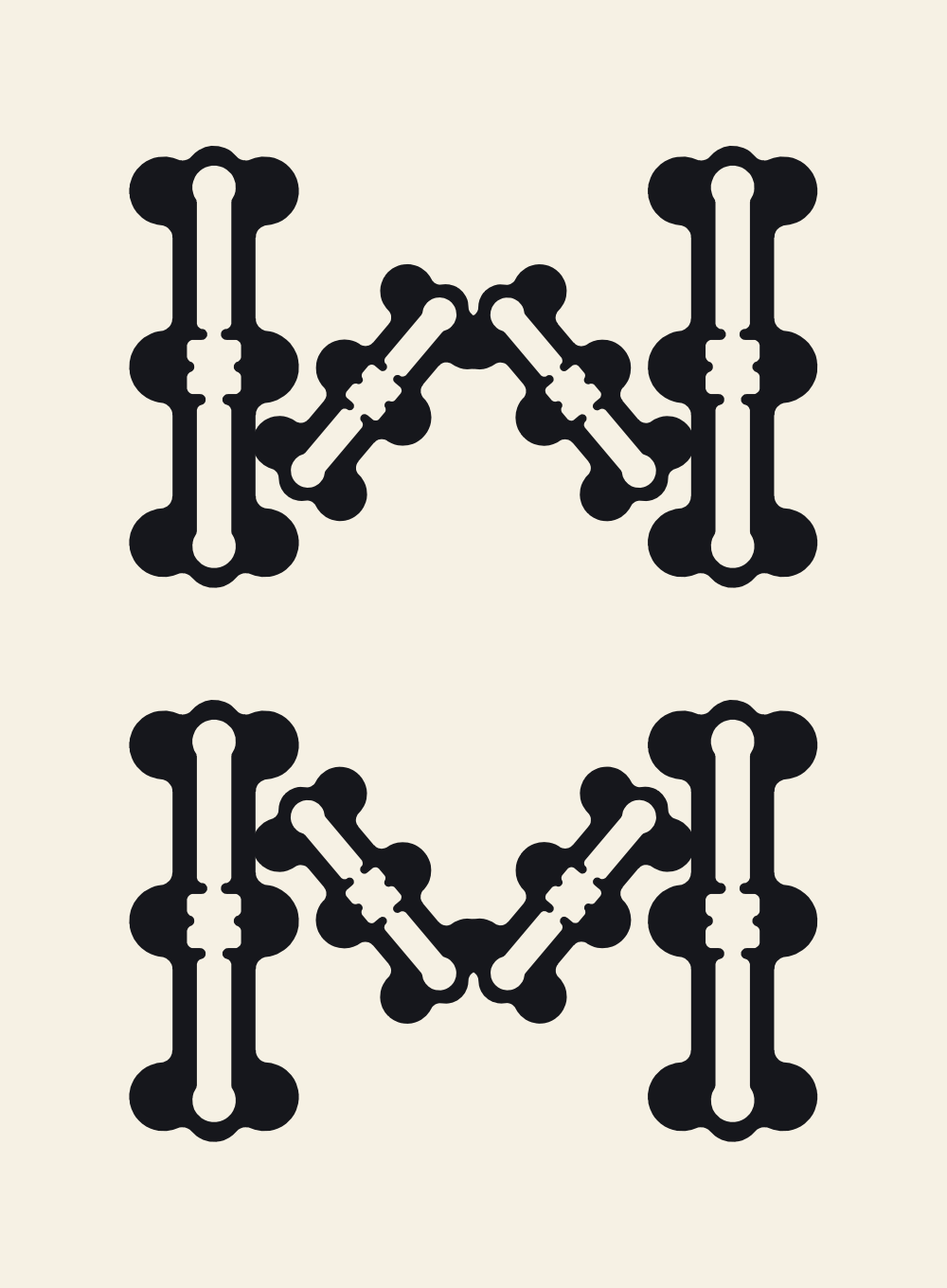 8 Bambooパーソー
8s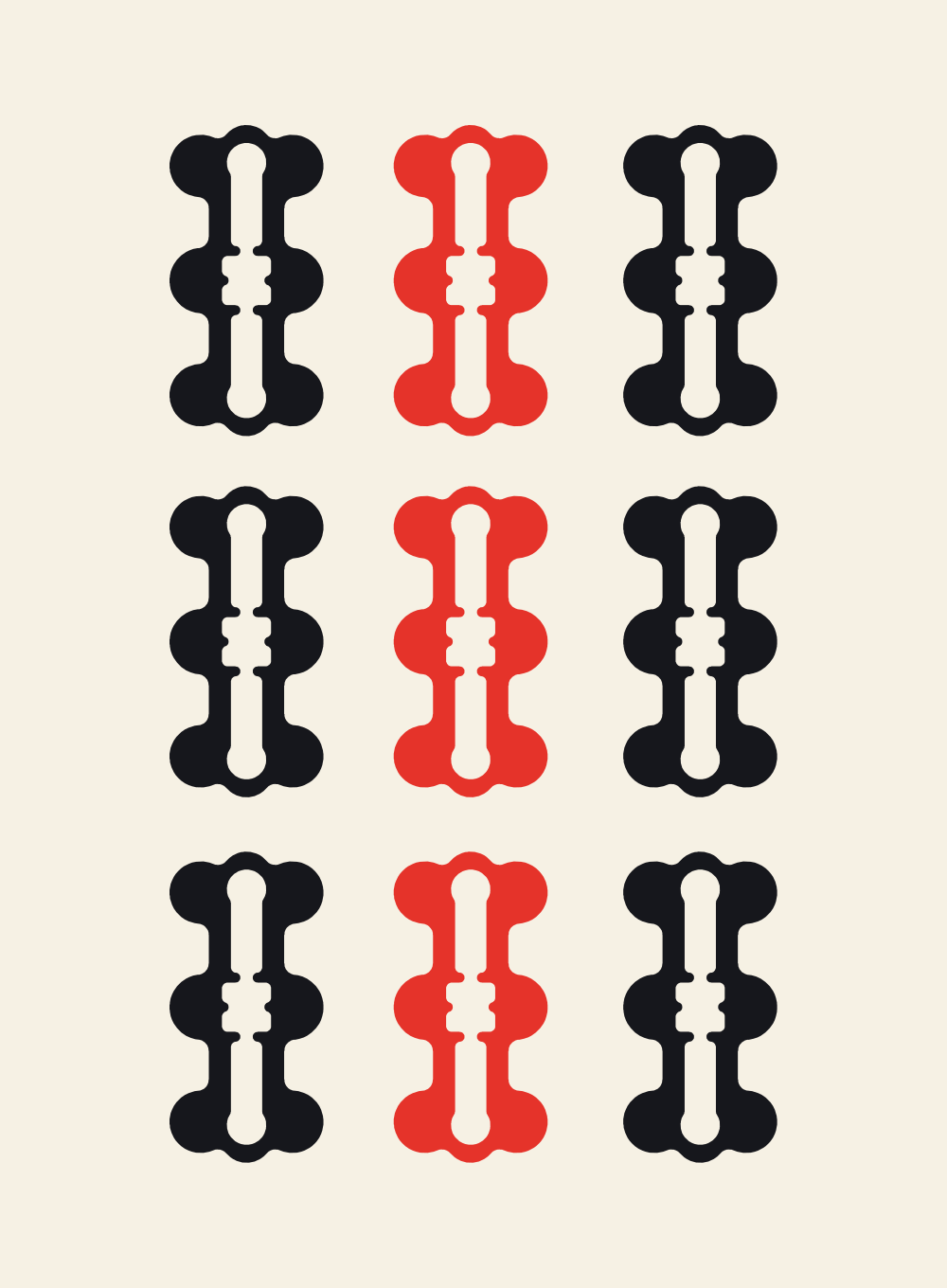 9 Bambooキューソー
9sHonor tiles: winds and dragons
Honors have no numbers, so they can't form sequences, only pairs, triplets and kans. A triplet of dragons, your seat wind or the round wind is a yaku on its own: yakuhai. That makes them the easiest yaku to grab with a pon.
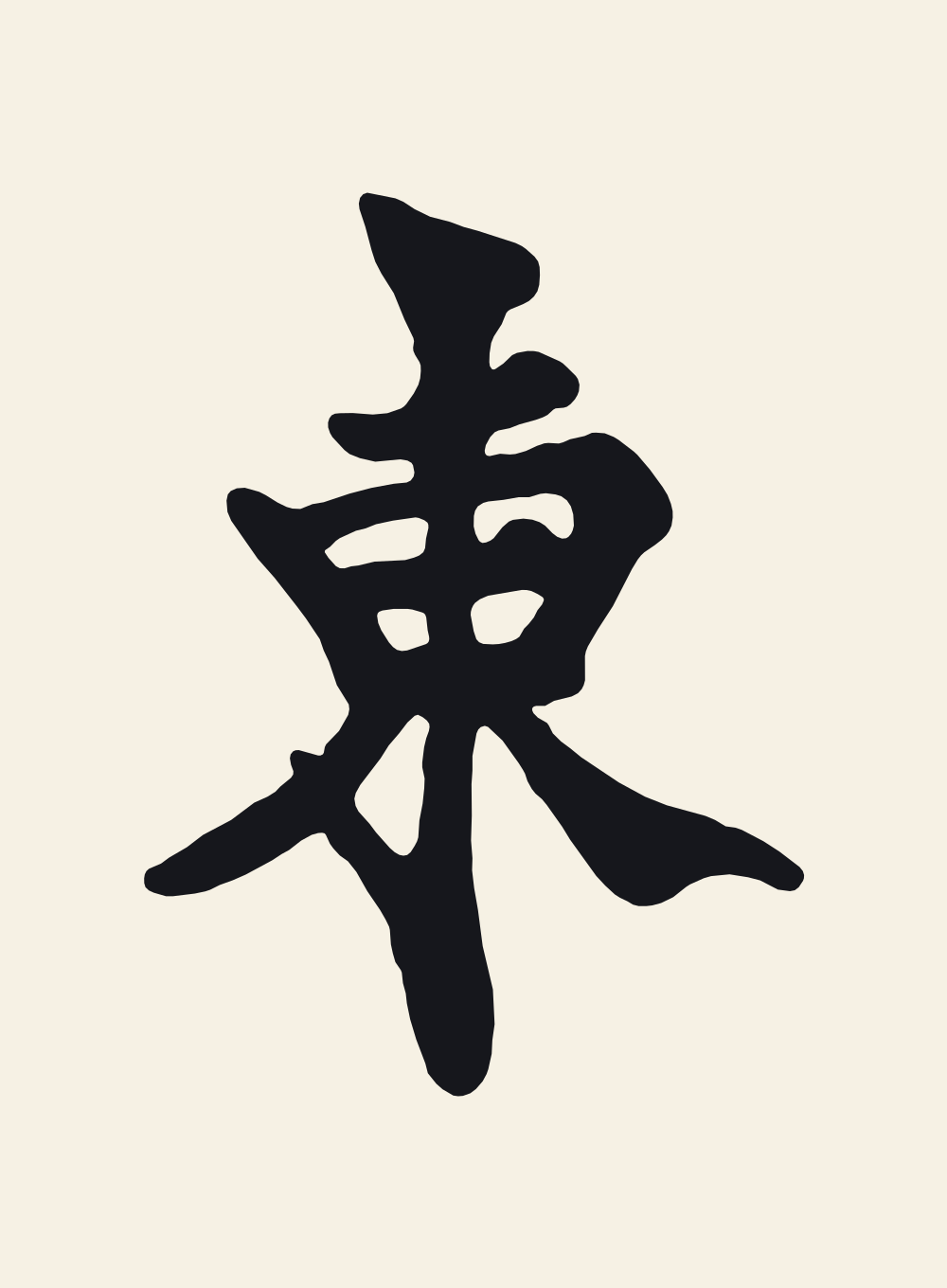 East東 ton
1z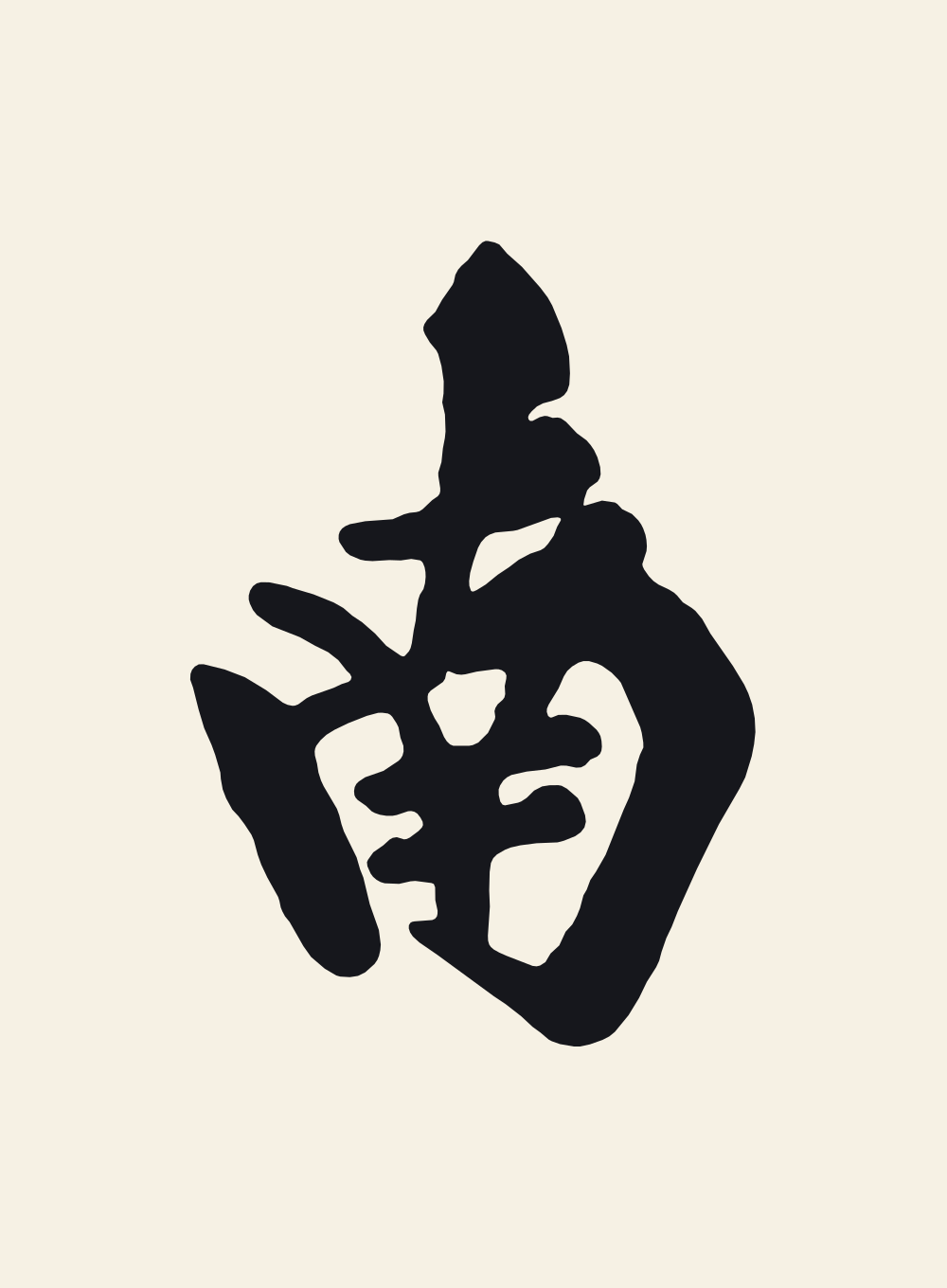 South南 nan
2z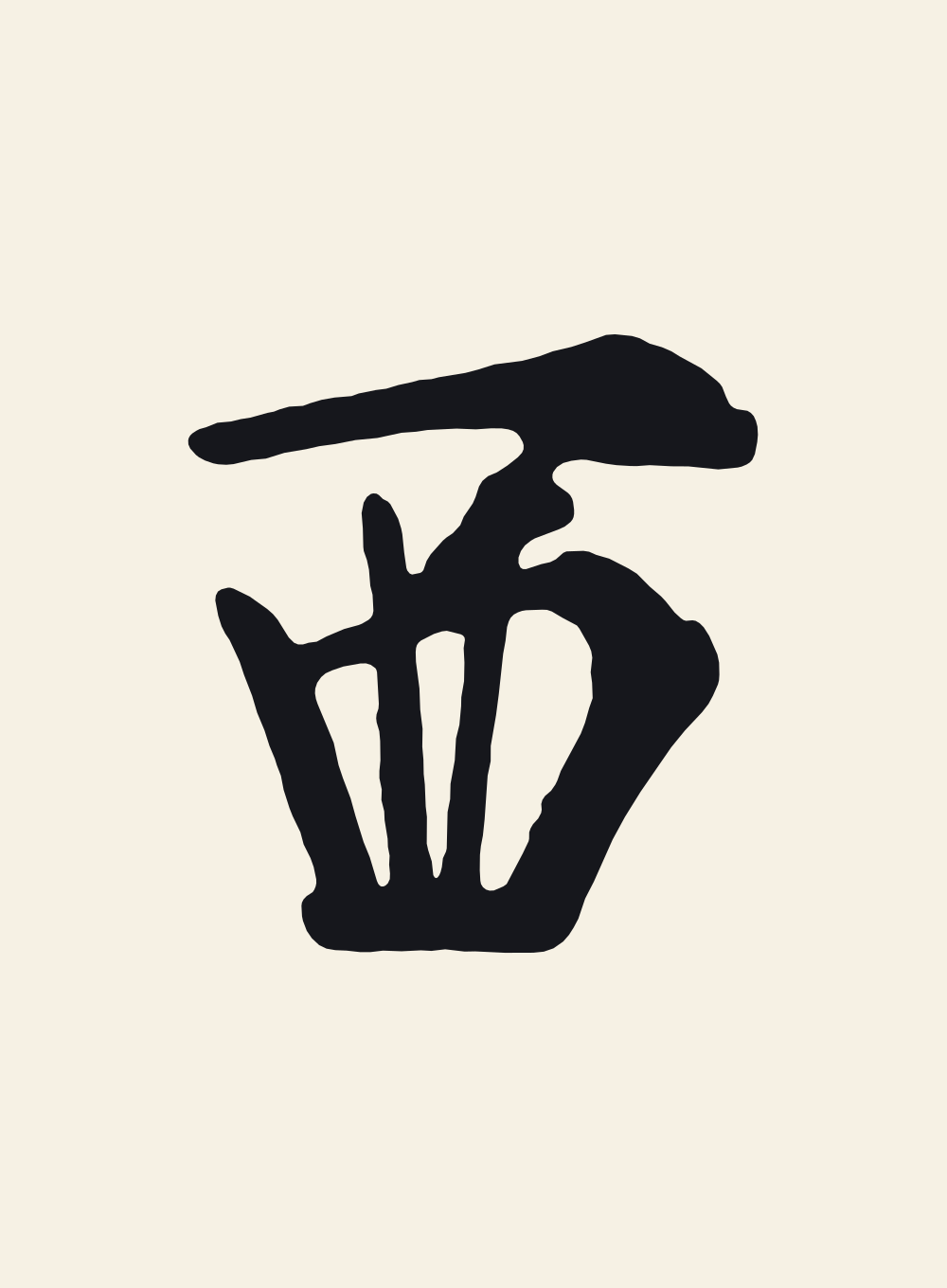 West西 shaa
3z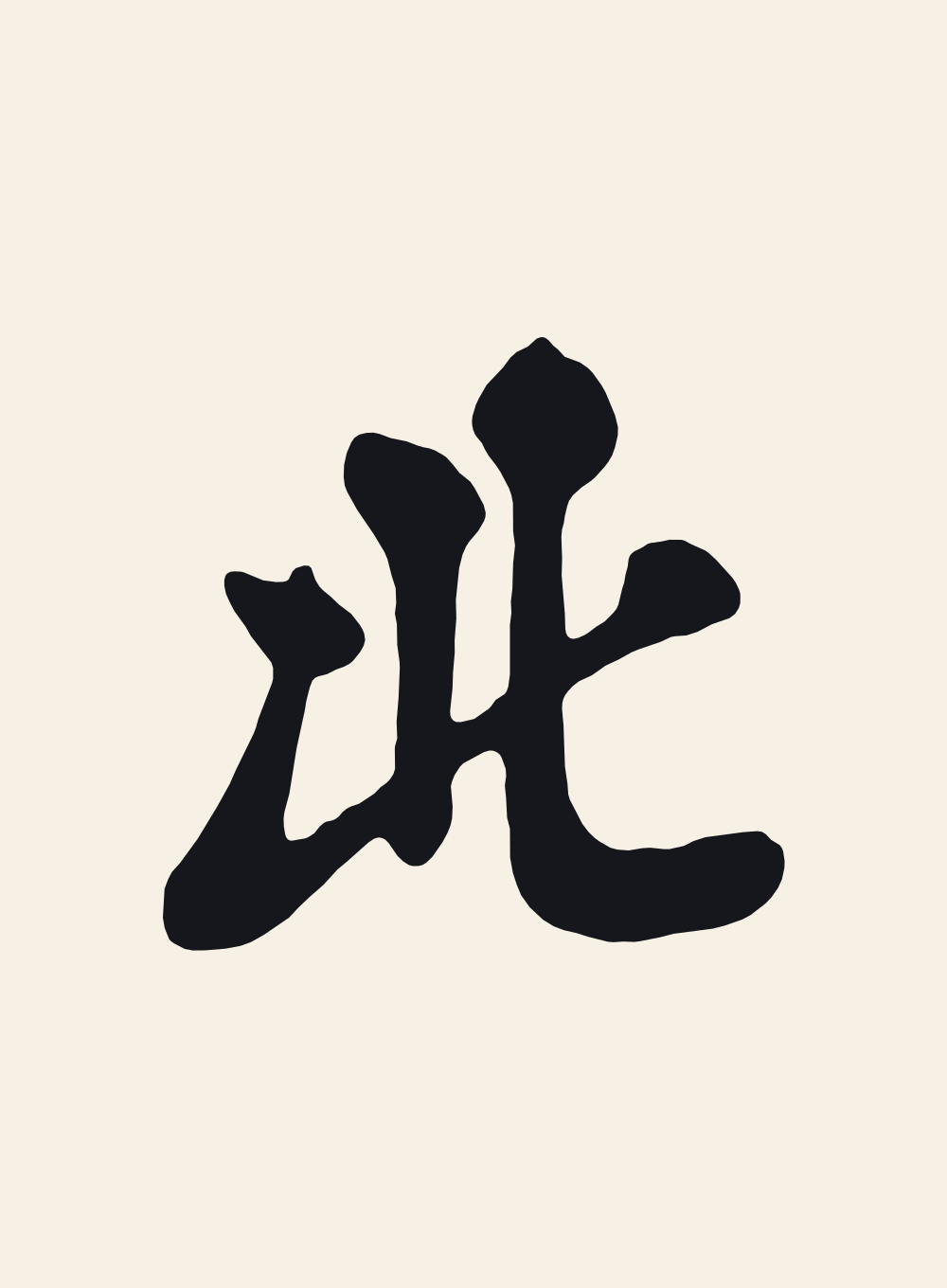 North北 pei
4z White dragon白 haku
5z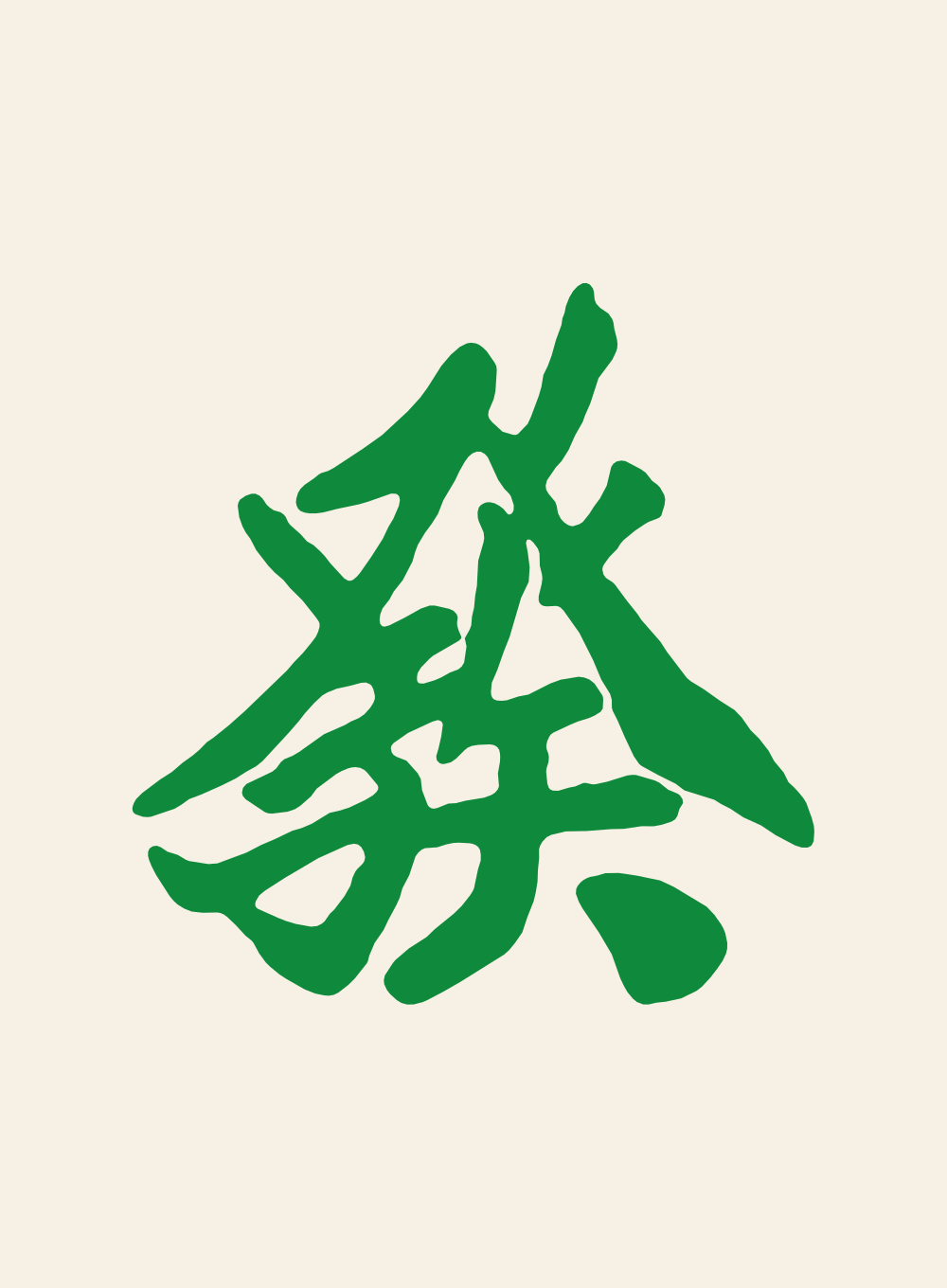 Green dragon發 hatsu
6z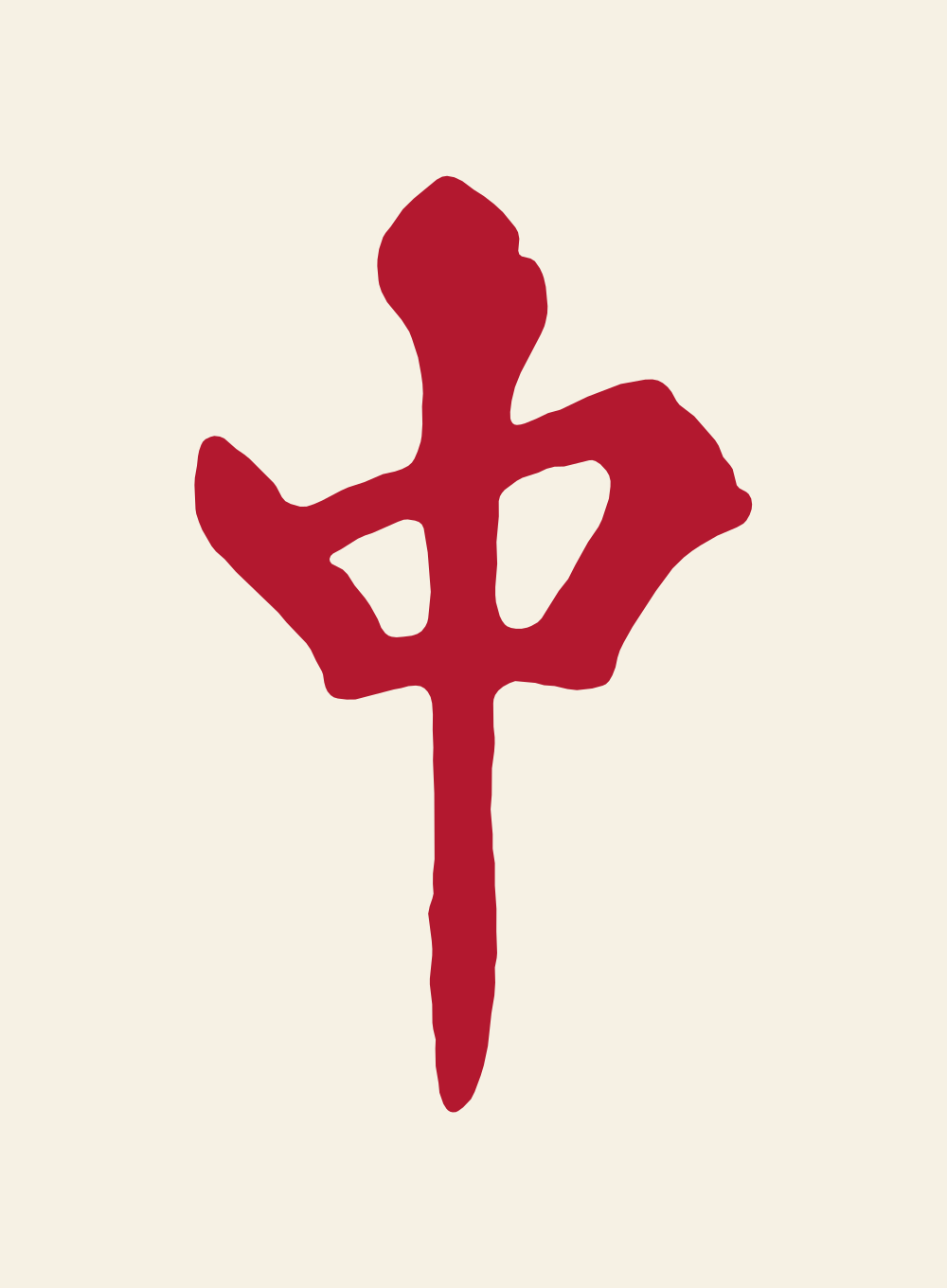 Red dragon中 chun
7zRed fives
One five in each suit is red. Each red five in a winning hand is worth one han, like a dora (aka dora). They play like any other five.
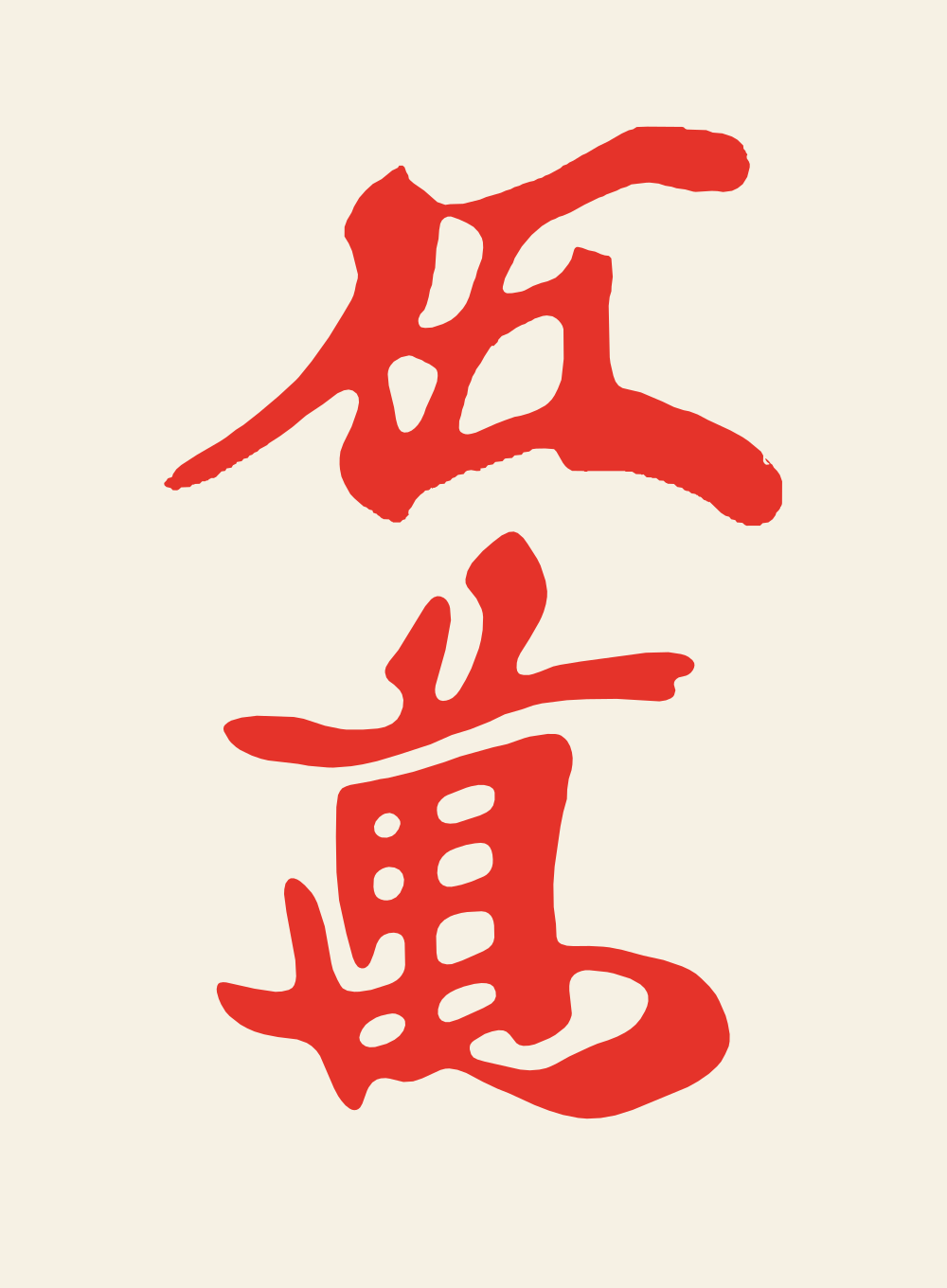 Red 5 Charactersaka dora
0m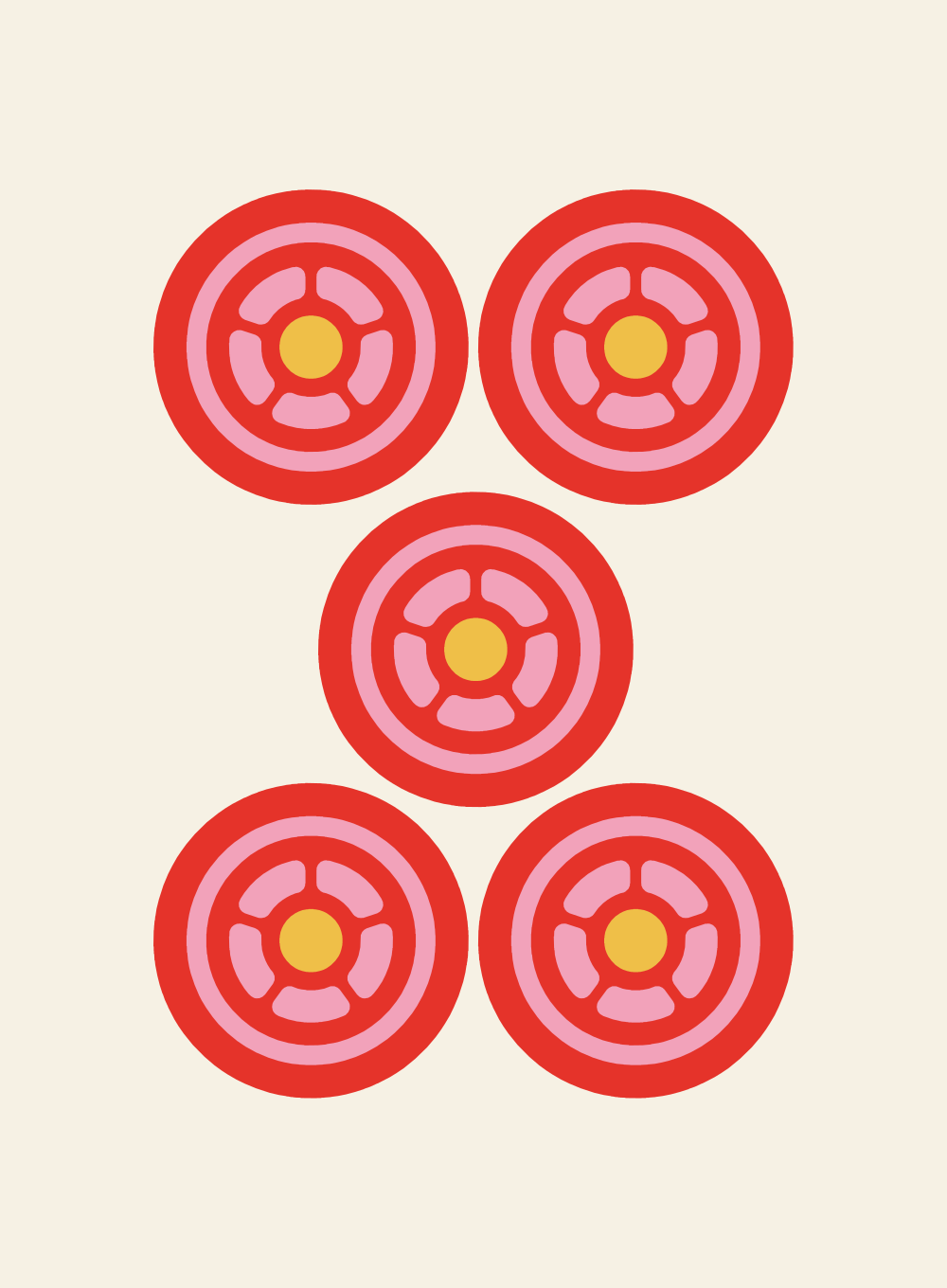 Red 5 Dotsaka dora
0p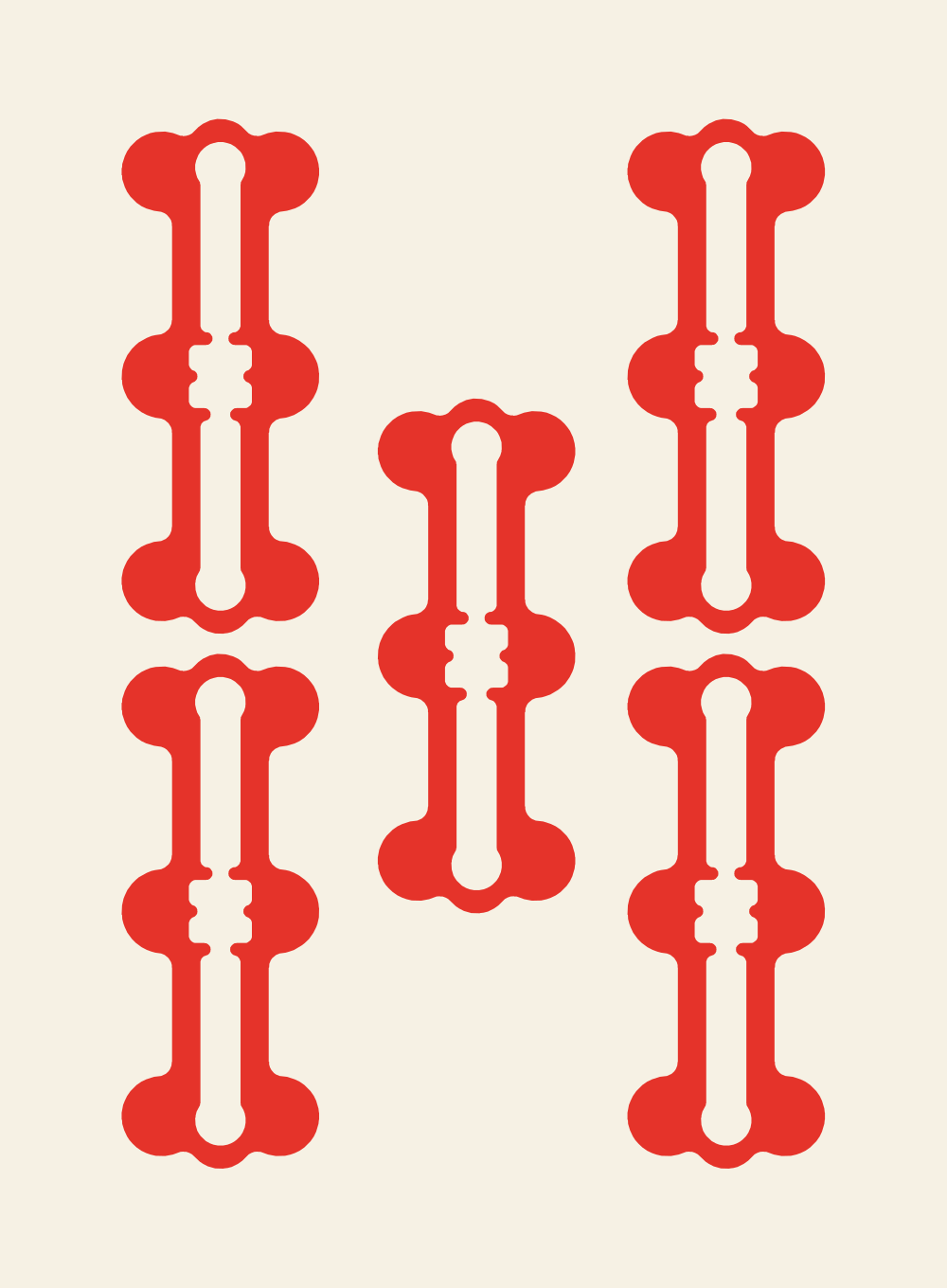 Red 5 Bambooaka dora
0sSimples, terminals and honors
Many yaku care about which kind of tile you hold, so these three words come up constantly:
- Simples (chunchanpai): the 2 to 8 of each suit. A hand of only simples is tanyao.
- Terminals (rōtōhai): the 1s and 9s.
- Honors (jihai): winds and dragons.
Terminals and honors together are yaochūhai. Collect one of each of those 13 tiles plus a pair and you have kokushi musou, the thirteen orphans.
Writing tiles down: mpsz notation
Players write hands with numbers followed by the suit letter: m for characters (manzu), p for dots (pinzu), s for bamboo (souzu) and z for honors, where 1–7z are East, South, West, North, White, Green, Red. A 0 is a red five. So 123m406p789s1155z reads:
The hand calculator accepts this notation, and you'll see it in the glossary and strategy guides.
See them on the table
Every tile in Mahjong Sushi is carved into the face and lit in 3D. Hover one in the game for its name.
Play Mahjong Sushi