How to Play Riichi Mahjong
Riichi is the Japanese version of mahjong: four players, 136 tiles, and a race to build a winning hand. Here is everything you need for your first game, in the order you'll need it.
The goal: four sets and a pair
Every player holds 13 tiles. On your turn you draw a 14th and throw one away. You win when those 14 tiles make four sets and a pair:
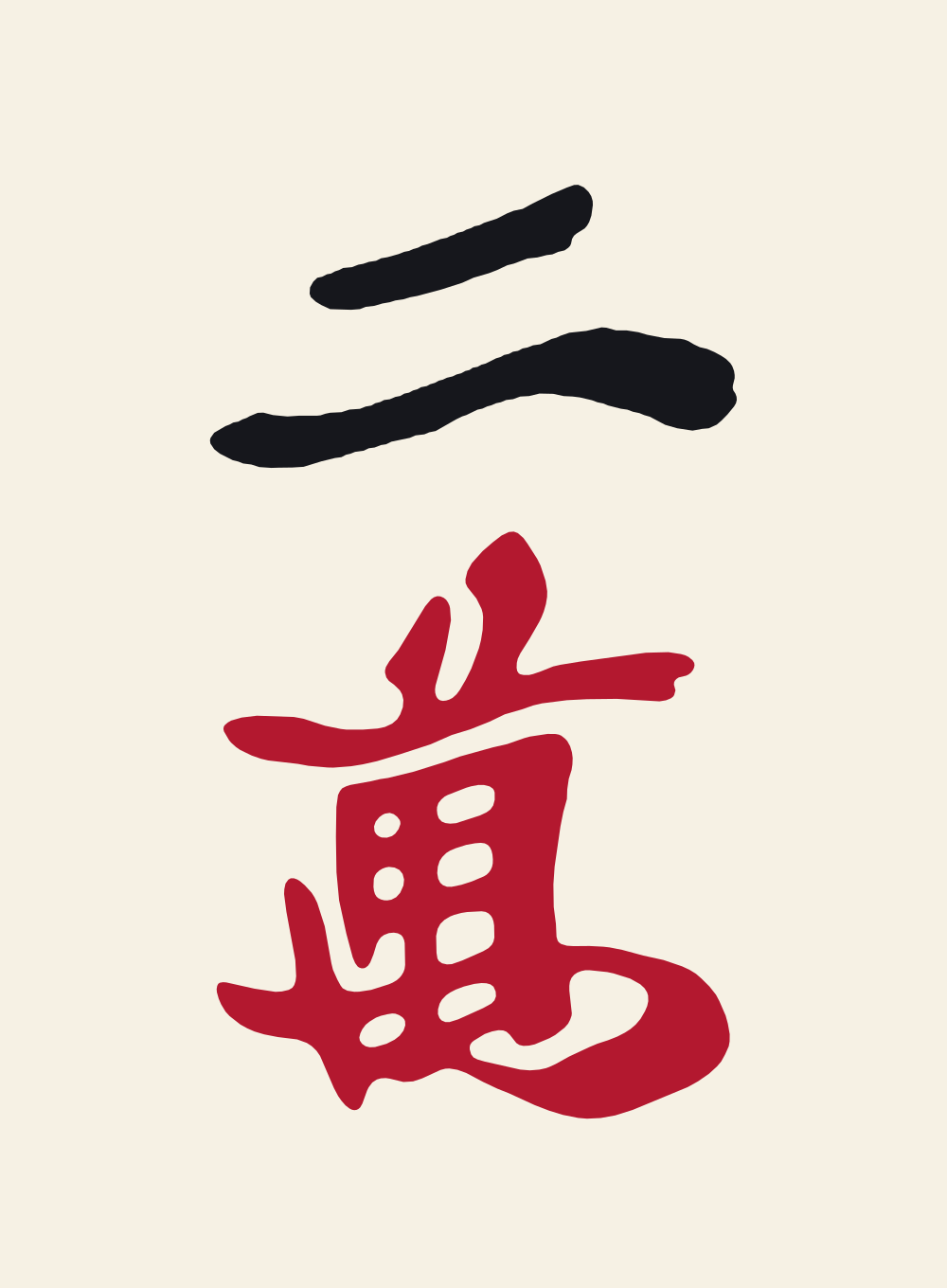
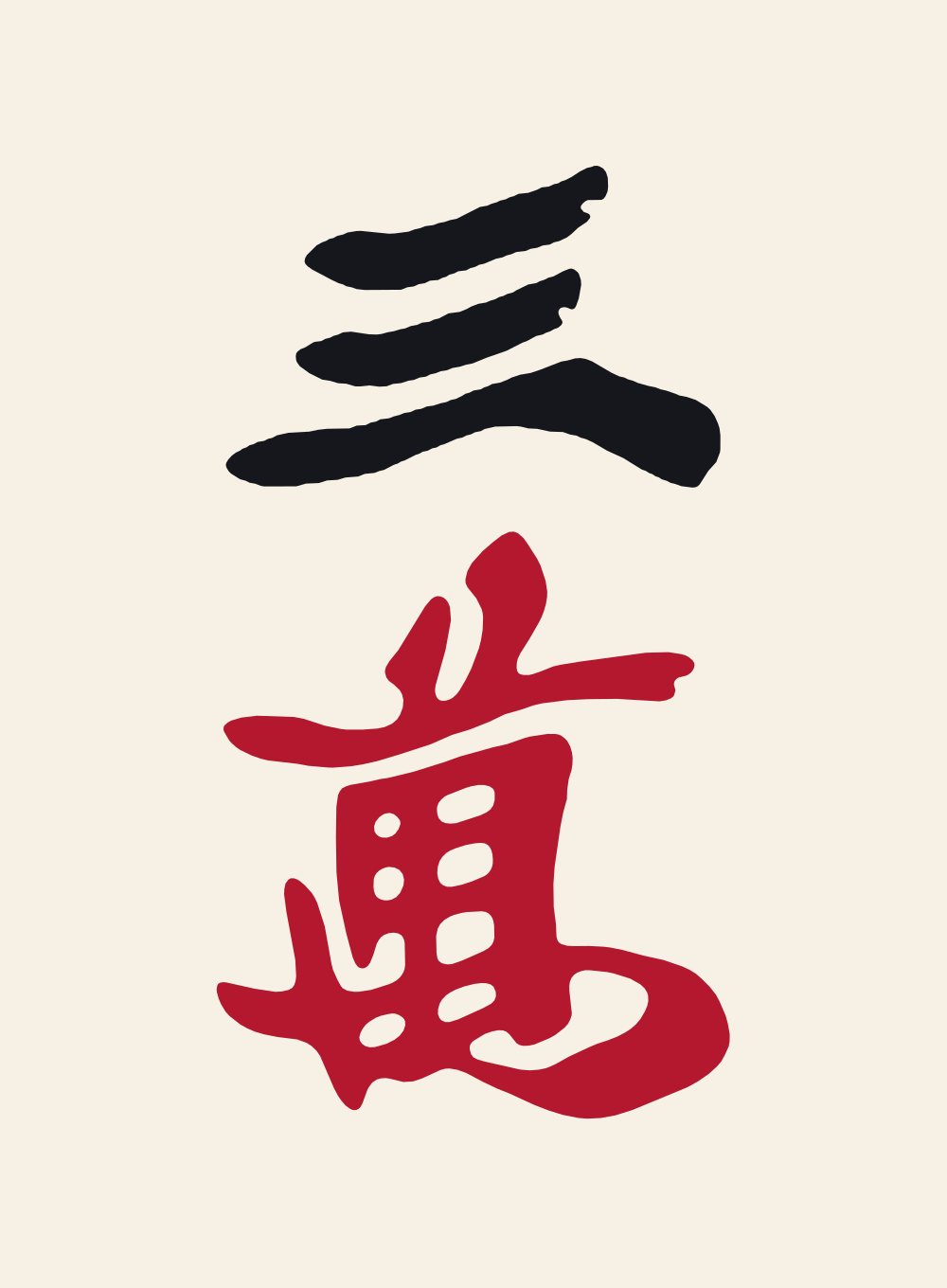
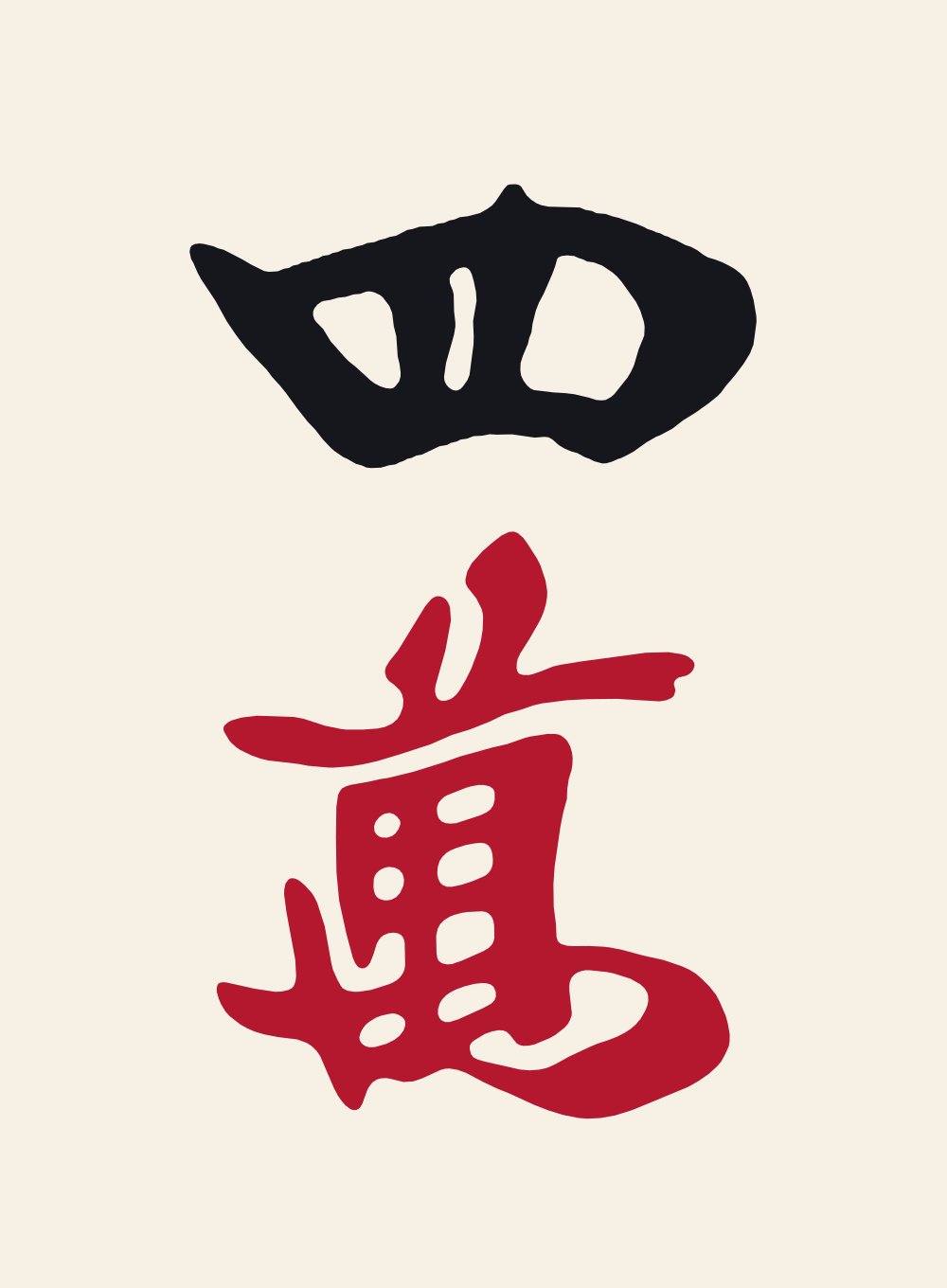
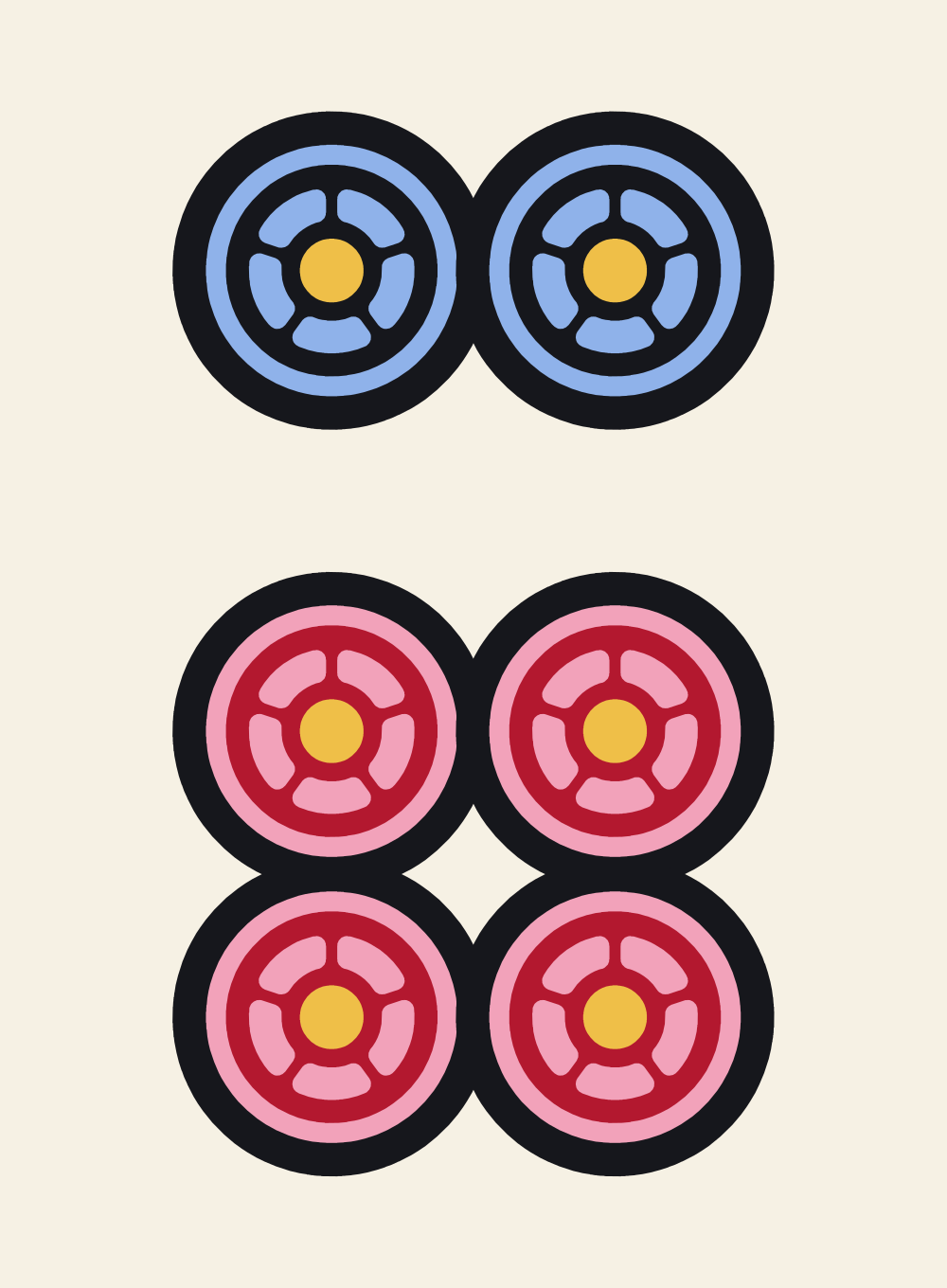
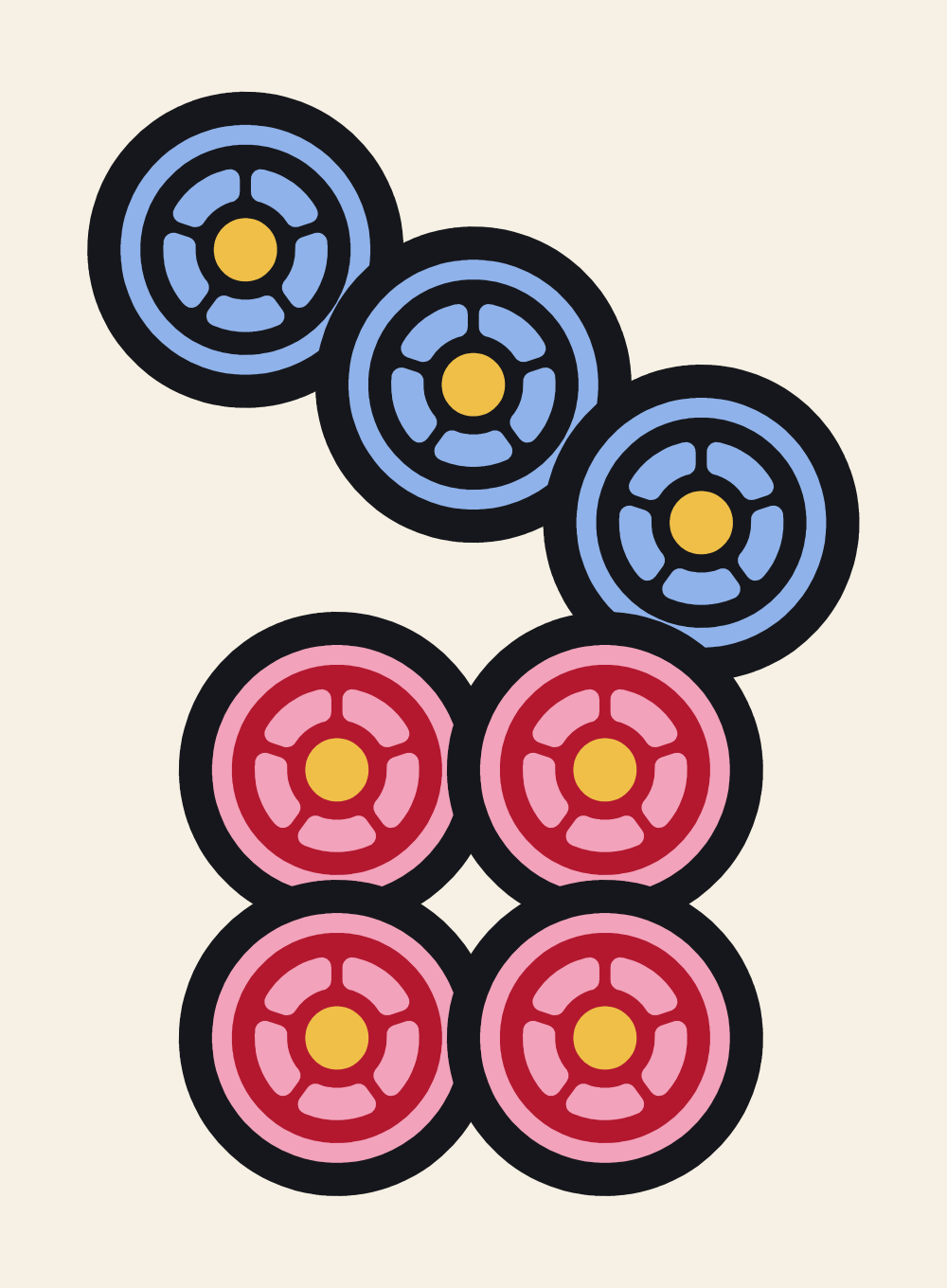




- A sequence (shuntsu) is three numbers in a row in one suit, like


 . Honors can't make sequences.
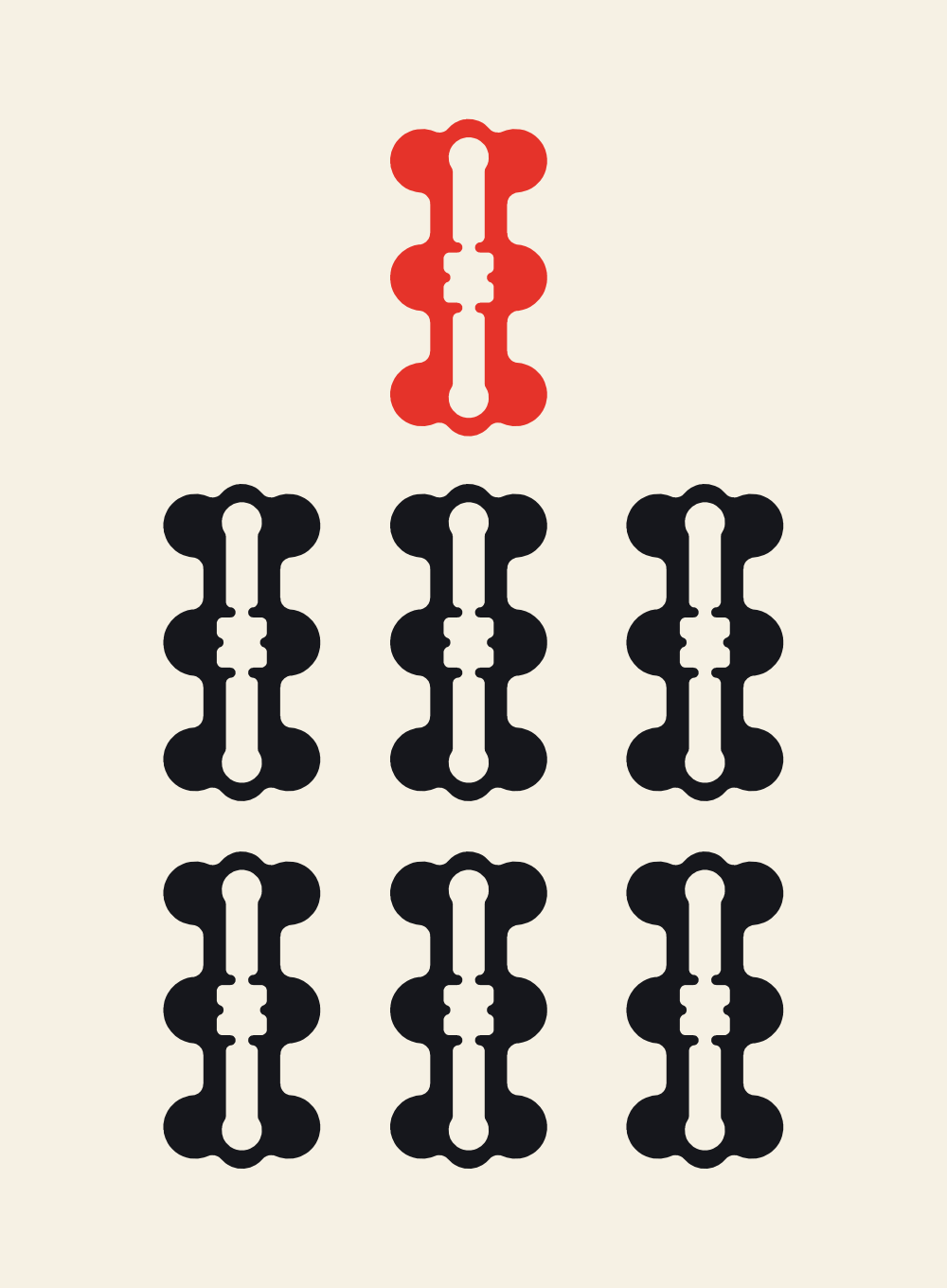
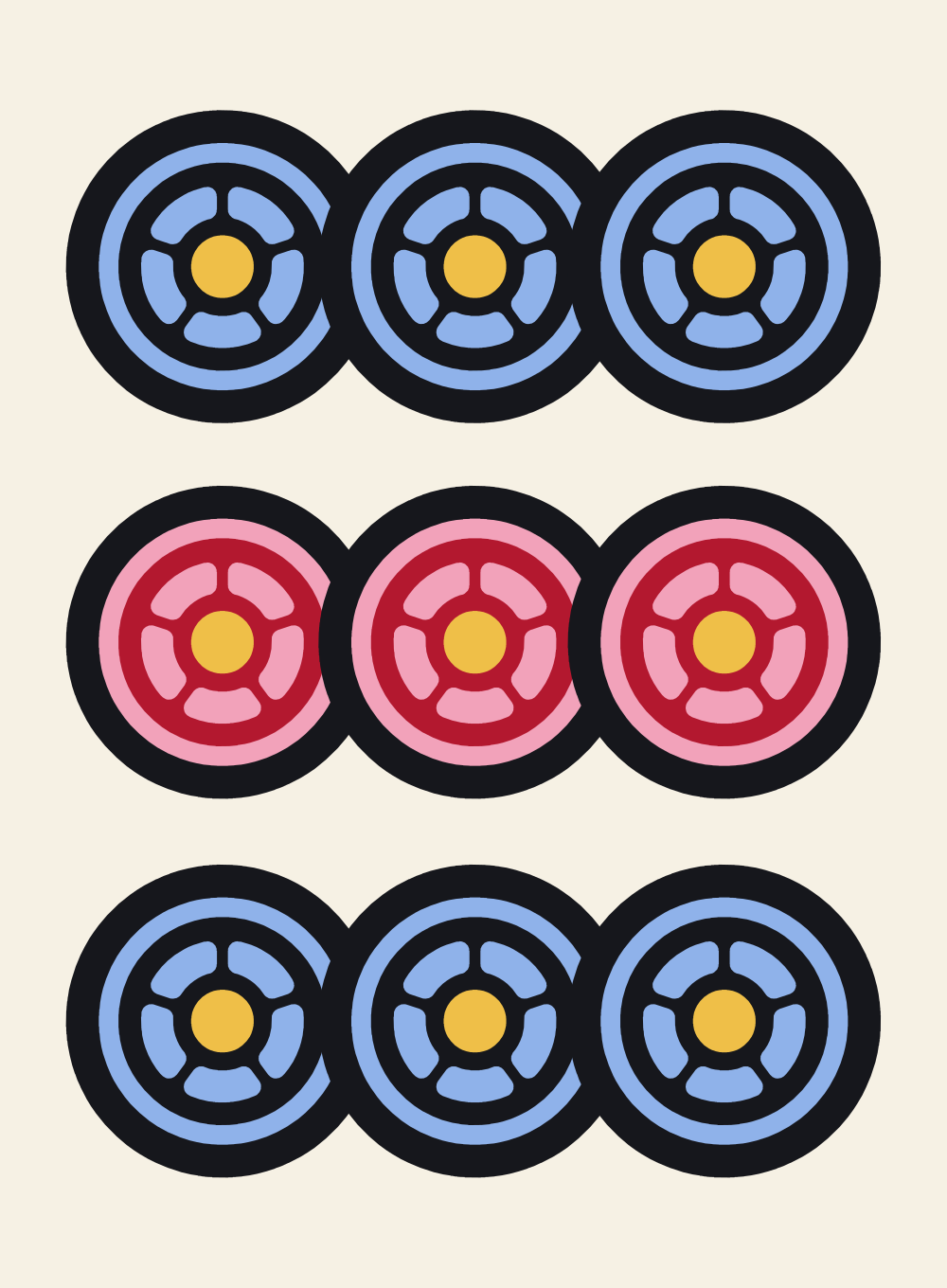
 - A triplet (koutsu) is three of the same tile, like
 .
. - A pair (jantou) is two of the same tile.
Two special hands break the pattern: seven pairs and thirteen orphans.
The tiles
There are three suits numbered 1 to 9: characters 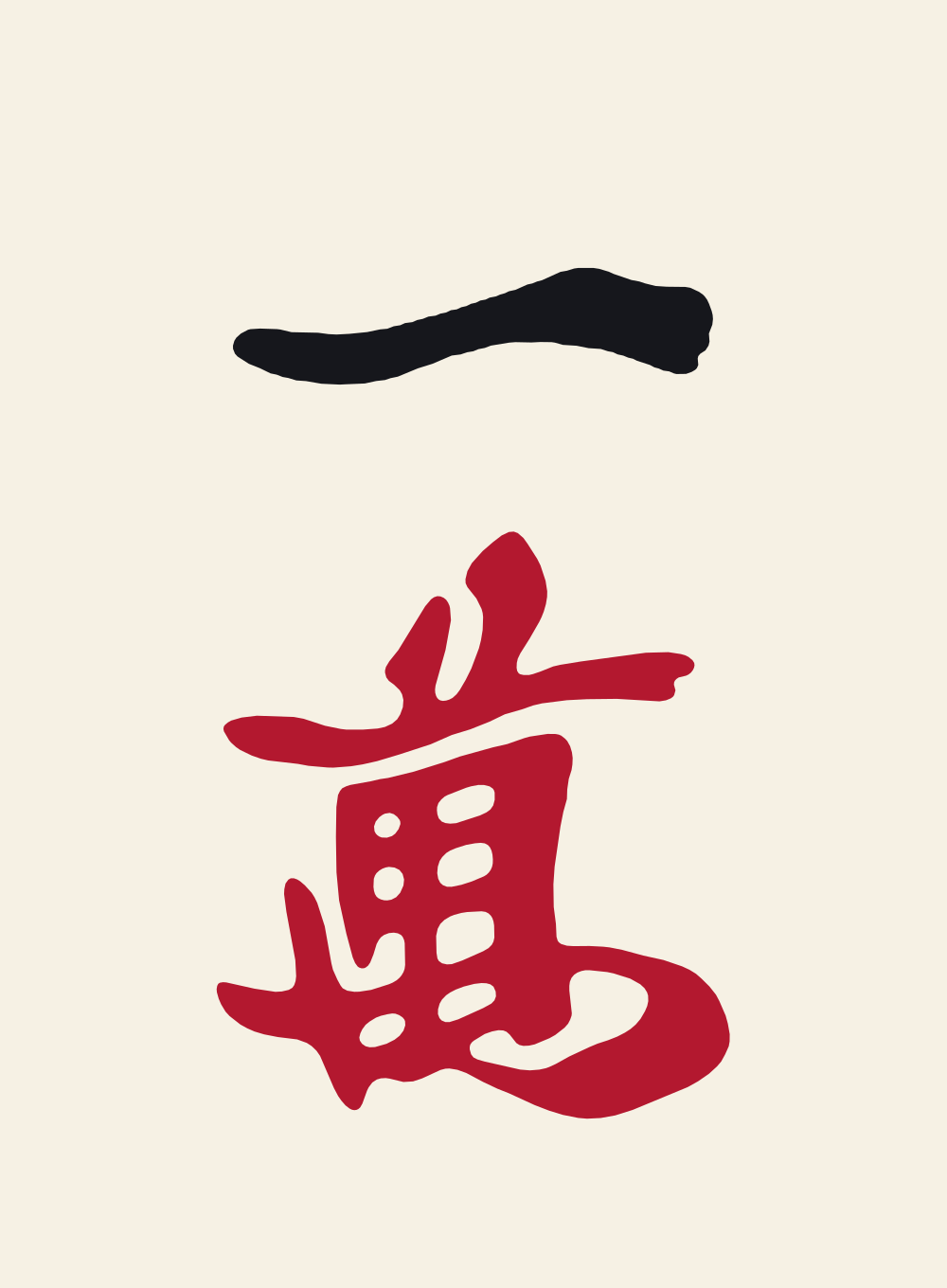 , dots
 and bamboo

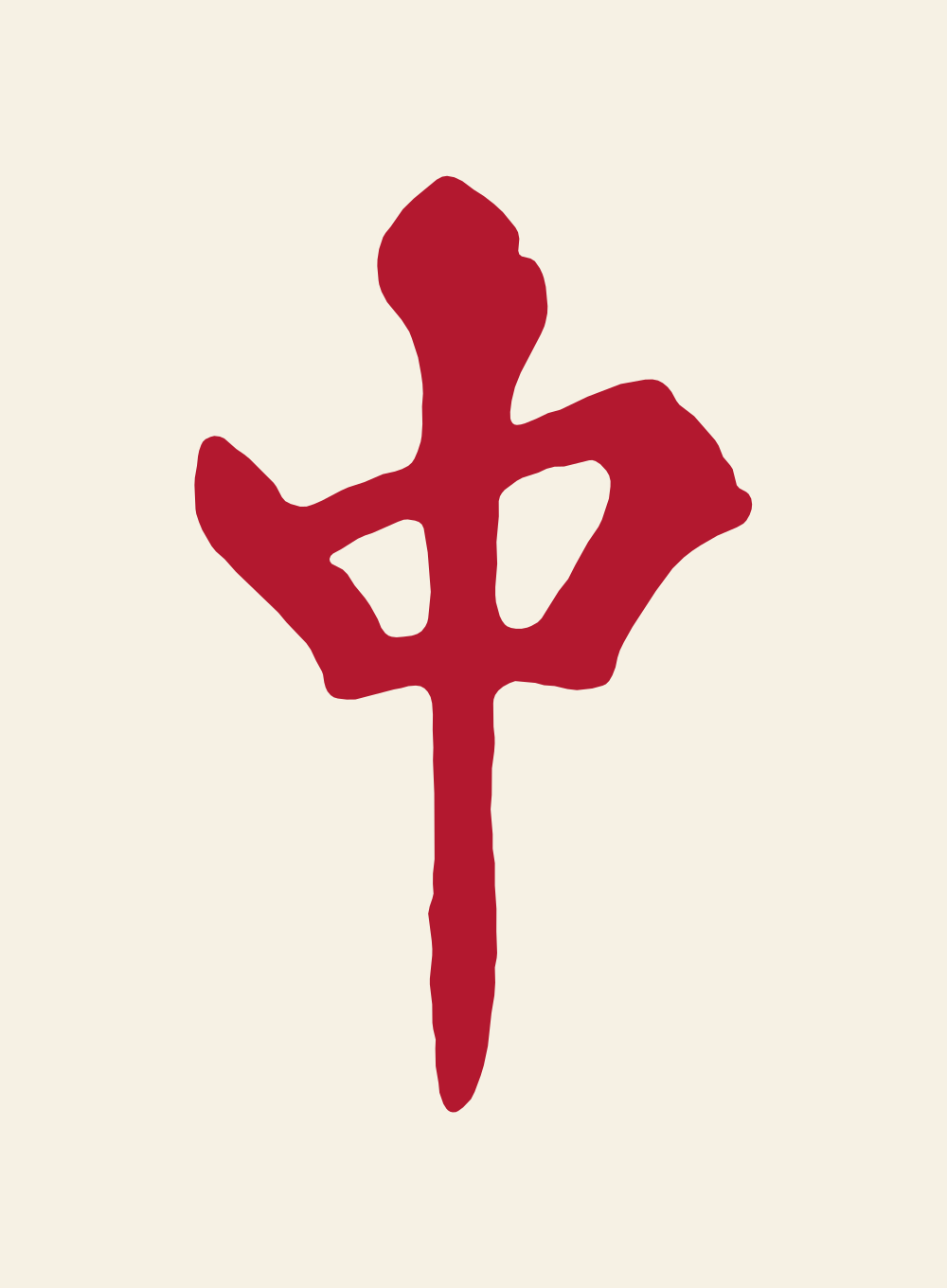
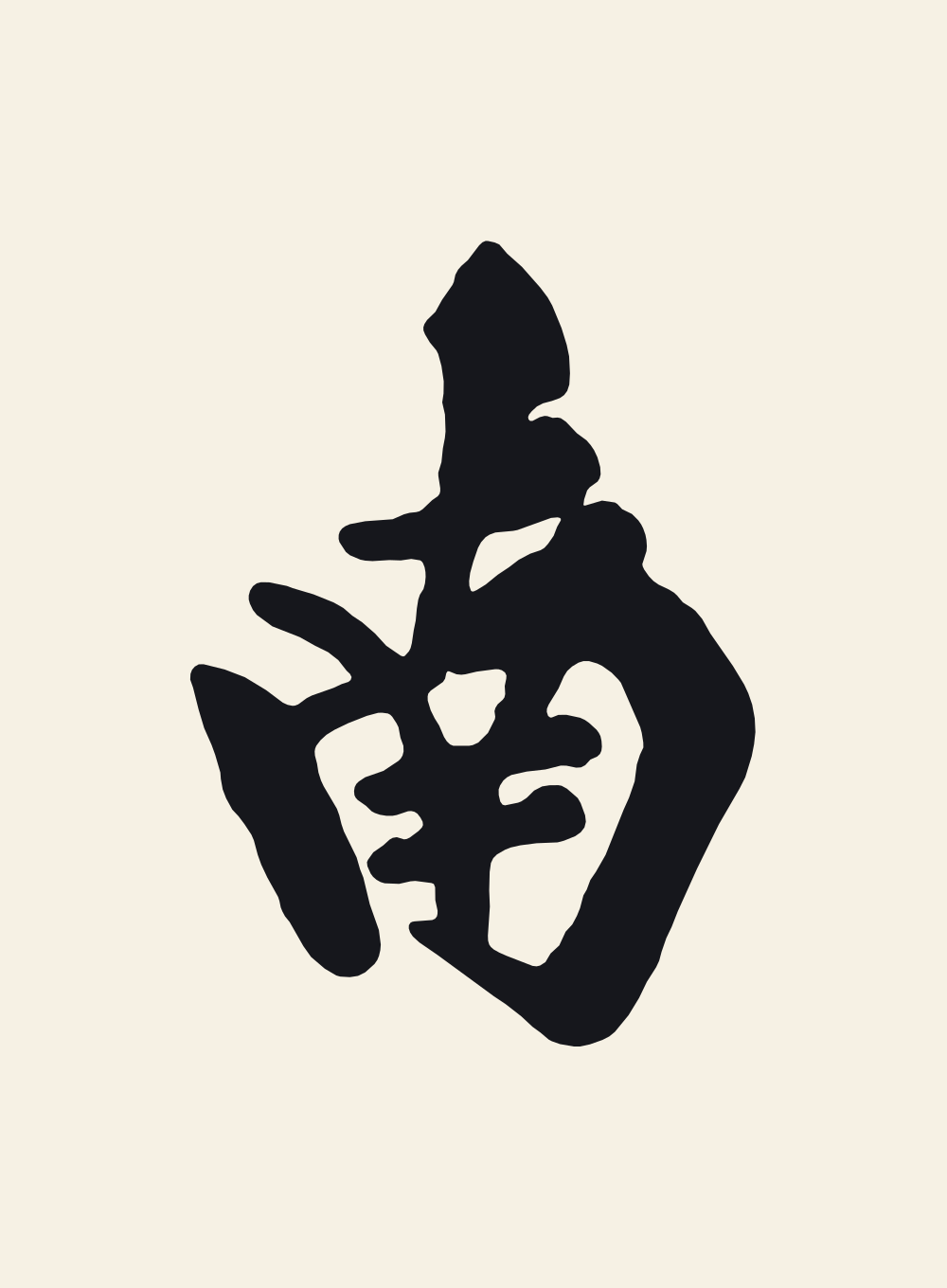
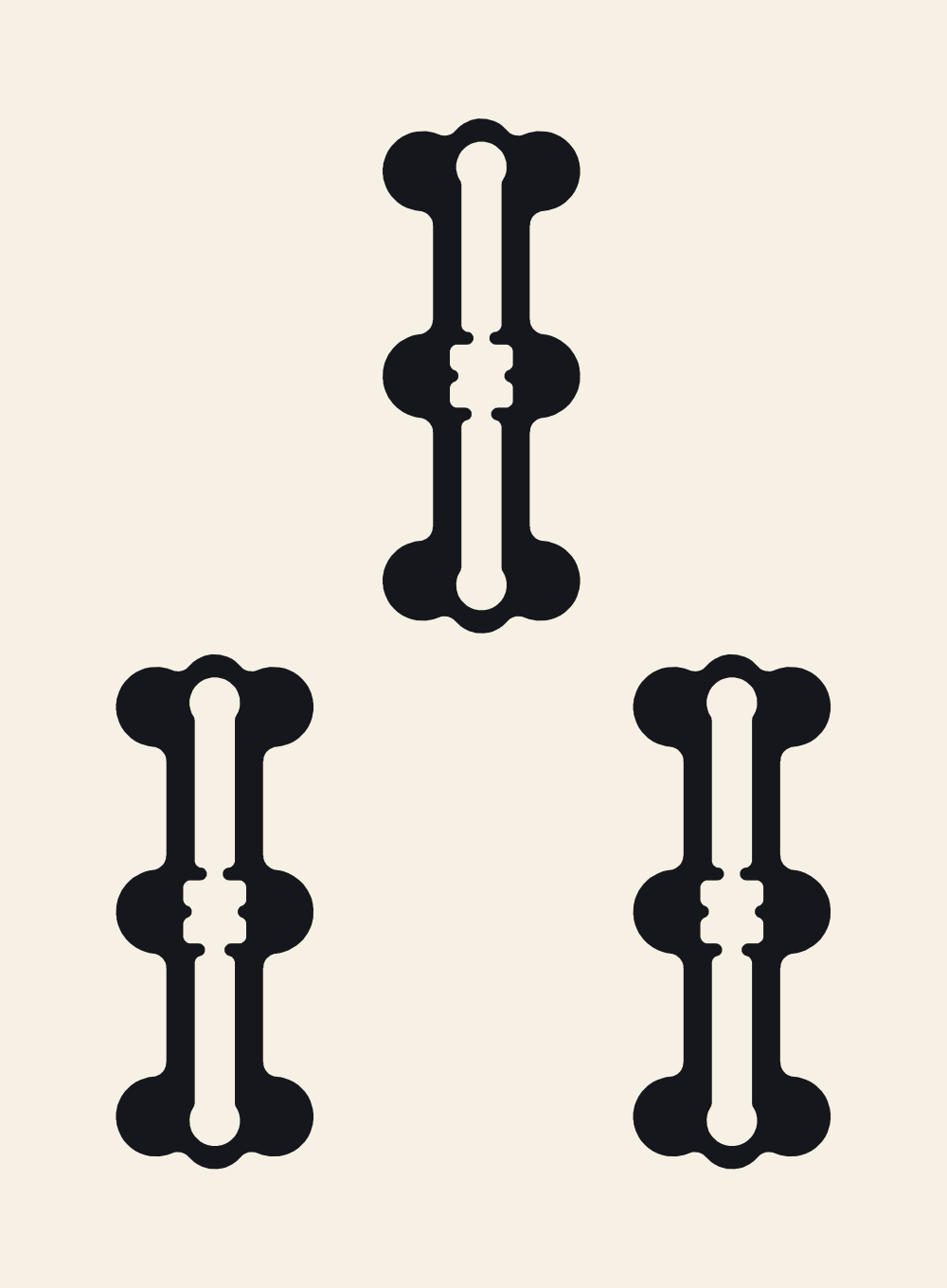 . Then there are seven honor tiles: four winds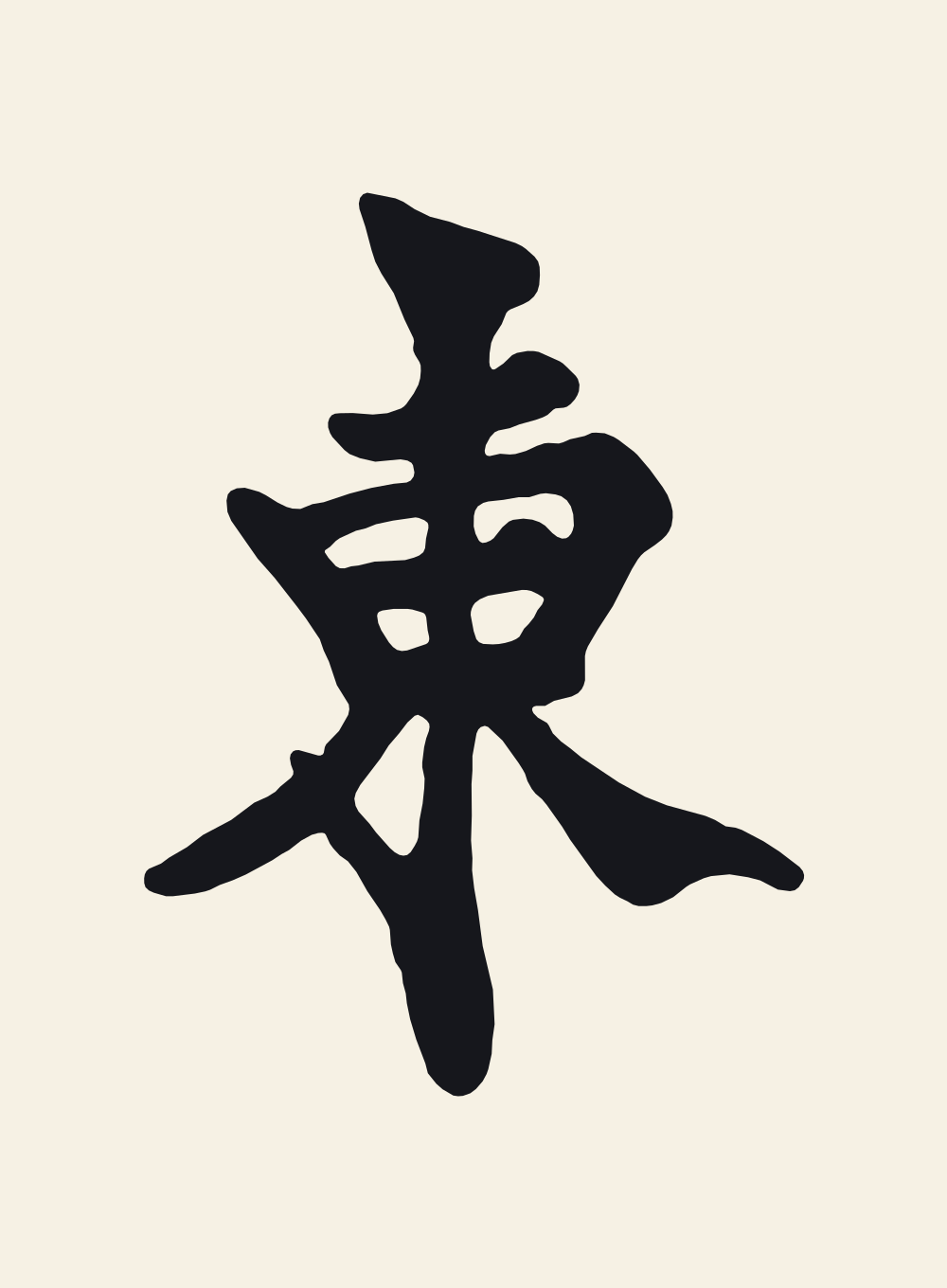
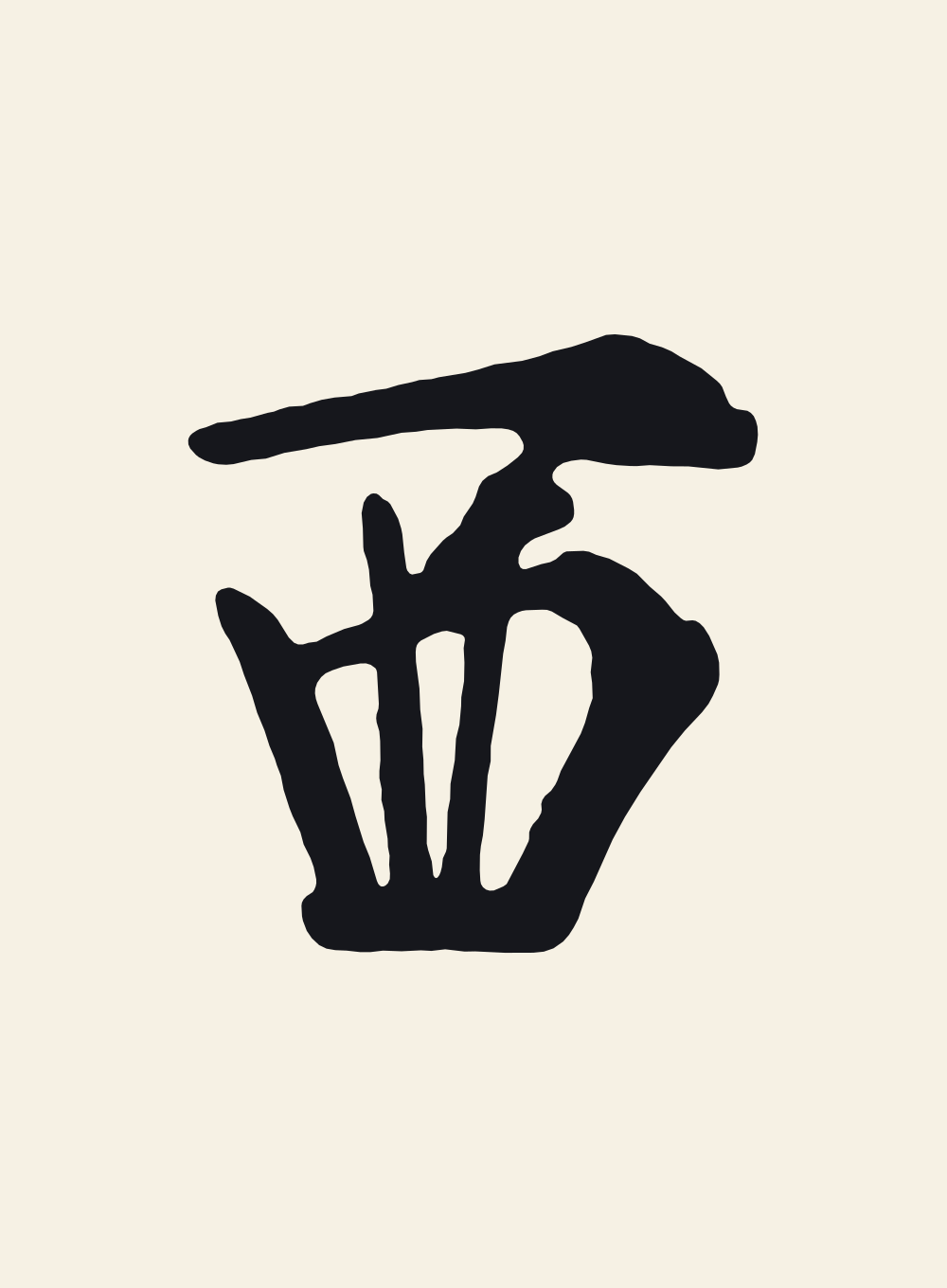
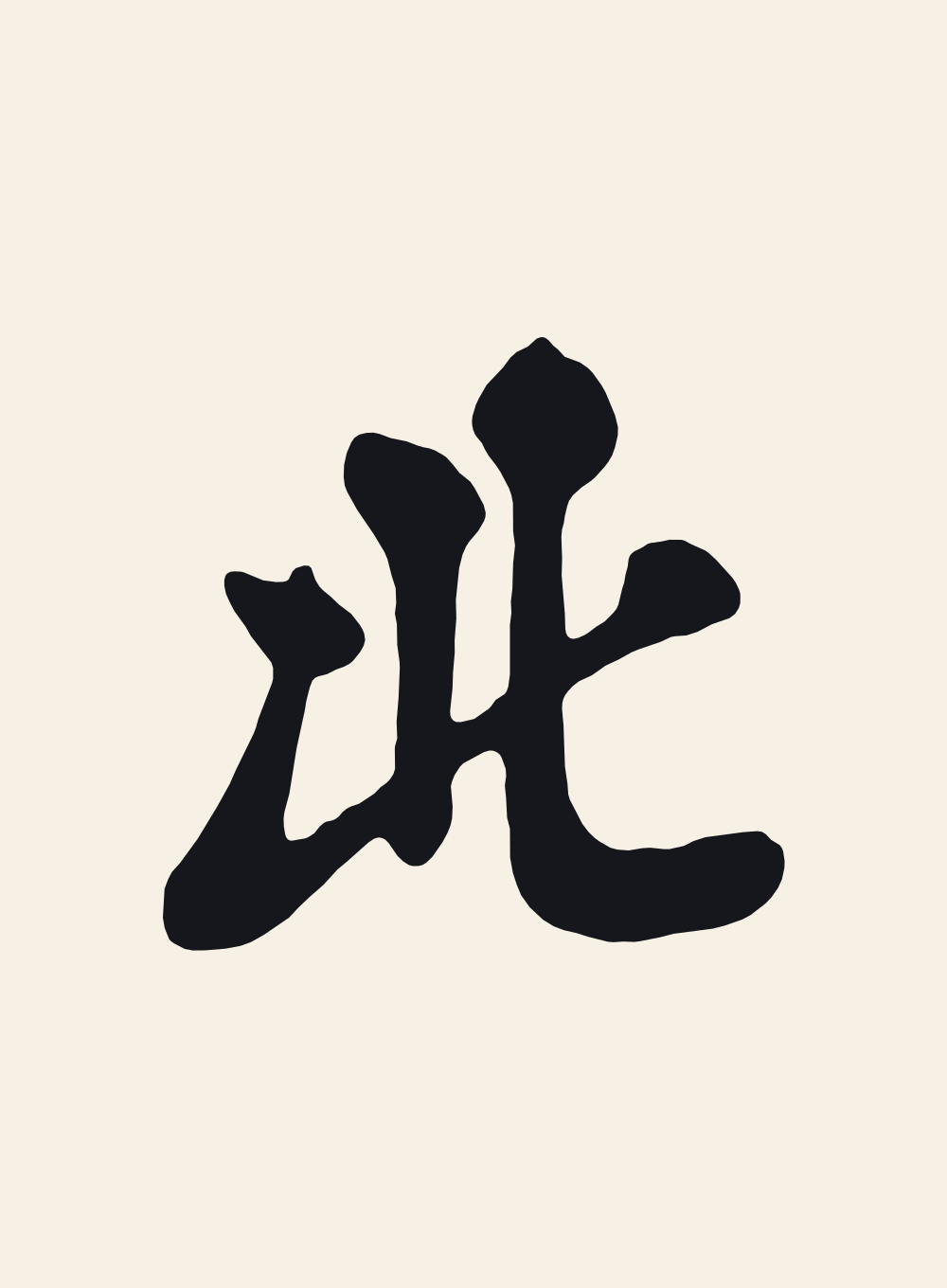 and three dragons
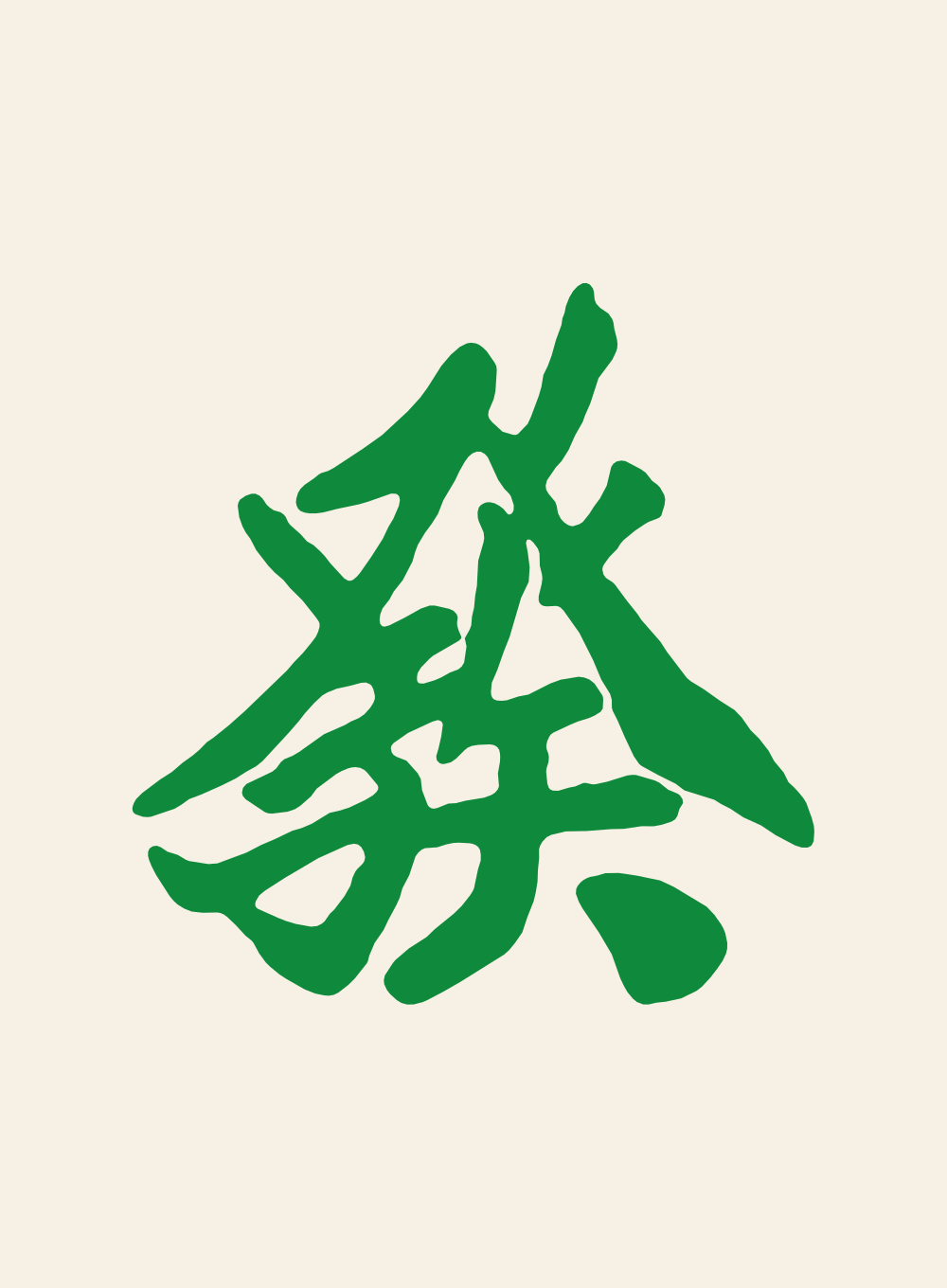 . Four copies of each make 136 tiles. The tile guide names every one.
A turn, step by step
- Draw a tile from the wall. You now have 14.
- Check whether it completes your hand. If it does (and you have a yaku), you can declare tsumo and win.
- Discard one tile face up in front of you. Your discards stay in order in a neat pile; everyone can see them.
- Watch what the others discard. You may be able to call it, or win on it with ron.
Play goes counter-clockwise. The dealer (East) starts with 14 tiles and discards first.
Calling tiles: chi, pon and kan
When someone discards a tile you need, you can take it:
- Chi: complete a sequence with the discard of the player on your left only.
- Pon: complete a triplet with anyone's discard. Pon beats chi.
- Kan: make four of a kind. You draw a replacement tile and a new dora is revealed.
Calling speeds up your hand but opens it: the called set goes face up, you lose access to riichi and several yaku, and some yaku drop a han. Beginners call too often. A good rule of thumb: only call when you'll still have a yaku afterwards, like a pon of dragons.
The rule that trips everyone up: you need a yaku
A complete hand isn't enough. To win, it must also contain at least one yaku, a scoring pattern from a fixed list. There are about 40, but three cover most beginner wins:
- Riichi: declare that your closed hand is one tile from winning. Works with any hand shape.
- Tanyao: use only tiles from 2 to 8. No 1s, 9s or honors.
- Yakuhai: a triplet of dragons, your seat wind or the round wind.
Browse the rest on the yaku list. Mahjong Sushi shows how close your hand is to each one as you play.
Riichi: the heart of the game
When your hand is closed (no calls) and one tile from complete, you're tenpai. You can declare riichi: turn your discard sideways and bet 1,000 points. From then on you can't change your hand, but you get a yaku for free, a shot at ippatsu and ura dora, and the other players have to respect you.
Winning: tsumo and ron
Tsumo is winning on your own draw: all three opponents pay. Ron is winning on someone's discard: that player pays the whole hand. More than one player can ron the same tile.
Dora: bonus tiles
One tile on the dead wall is flipped face up: the dora indicator. The next tile in order is dora, and each one in your winning hand adds a han. If the indicator is , the dora is 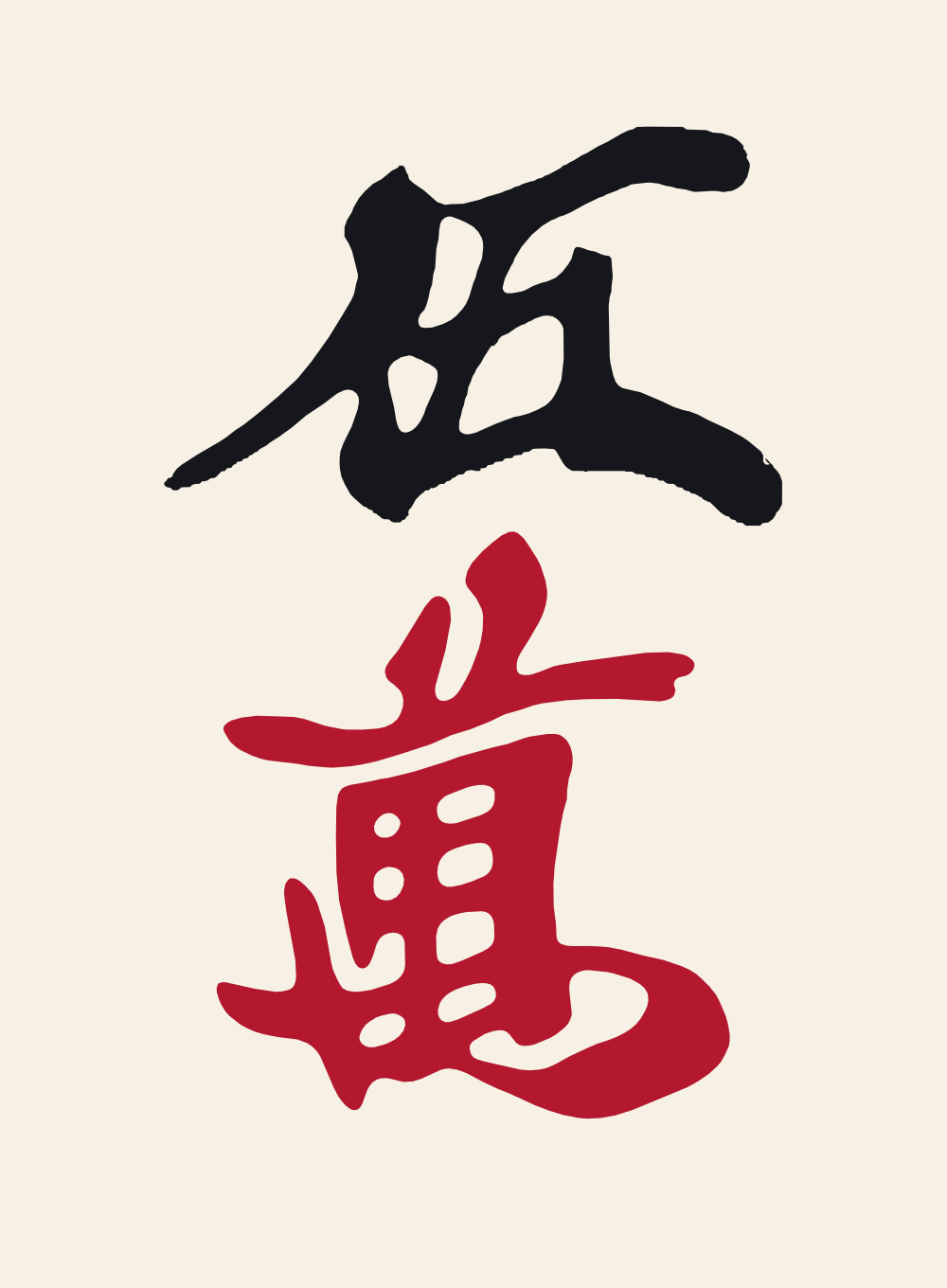 . Red fives
  count as dora too. Dora make a hand bigger, but they are not a yaku.
Scoring in a nutshell
Your hand's value comes from han (from yaku and dora) and fu (small extras for how the hand is built). A cheap 1 han hand is about 1,000 points; 5 han is a mangan, 8,000. The dealer earns 1.5×. You don't need to memorize the tables: the game counts for you, and the scoring guide explains it when you're curious.
How a game flows
Everyone starts with 25,000 points. A hand ends when someone wins or the wall runs out. A round is named after its wind: East round, then South round. Each player deals in turn, and the dealer keeps the seat after a win.
- East-only (tonpuusen): four hands or more. About 20 minutes in Mahjong Sushi.
- East + South (hanchan): eight hands or more. The standard full game.
When the wall runs out, players who are tenpai collect 3,000 points from those who aren't. The game ends after the last hand, or early if someone drops below zero. Highest score wins.
Five tips for your first games
- Throw honors and terminals early. Lone winds and 1s and 9s are hard to use. Keep tiles in the middle of the suits.
- Riichi when you're ready with a good wait. If your closed hand has no other yaku, riichi is usually right.
- Pon dragons and your own wind. They are an instant yaku.
- When someone declares riichi, consider folding. Discard the tiles they've already thrown; those can't hit them. See defense.
- Don't stress about points. Get a hand, get a yaku, get tenpai. Scoring comes with time.
Then practice reading hands with the daily discard puzzle, and keep the cheat sheet open during your first games.
Learn by playing
Mahjong Sushi opens with a short interactive lesson and gives you tips the first time each situation comes up. Free, in your browser.
Play Mahjong Sushi