Tile Efficiency for Riichi Mahjong
Most of mahjong is choosing one tile to throw away, again and again. Tile efficiency is the craft of choosing the one that gets you to a ready hand fastest.
Shanten: how far from ready
Shanten counts how many useful tiles you still need before you're tenpai (one away from winning). 0-shanten is tenpai, 1-shanten (iishanten) is one useful draw away, and a typical starting hand is 3 or 4-shanten.
Every discard either keeps your shanten or makes it worse. The first rule of efficiency: never throw a tile that raises your shanten unless you have a reason (a dangerous tile, a yaku, a bigger hand).
Ukeire: counting the tiles that help
Among discards that keep your shanten, prefer the one that leaves the most ukeire: the number of tiles left in the wall that would lower your shanten. Count copies, not kinds: a wait on two tiles with all eight copies unseen beats a wait on three kinds where most are already discarded.
Here is a 1-shanten hand with one block too many. The edge wait 1-2m looks like the obvious cut, but the engine disagrees:
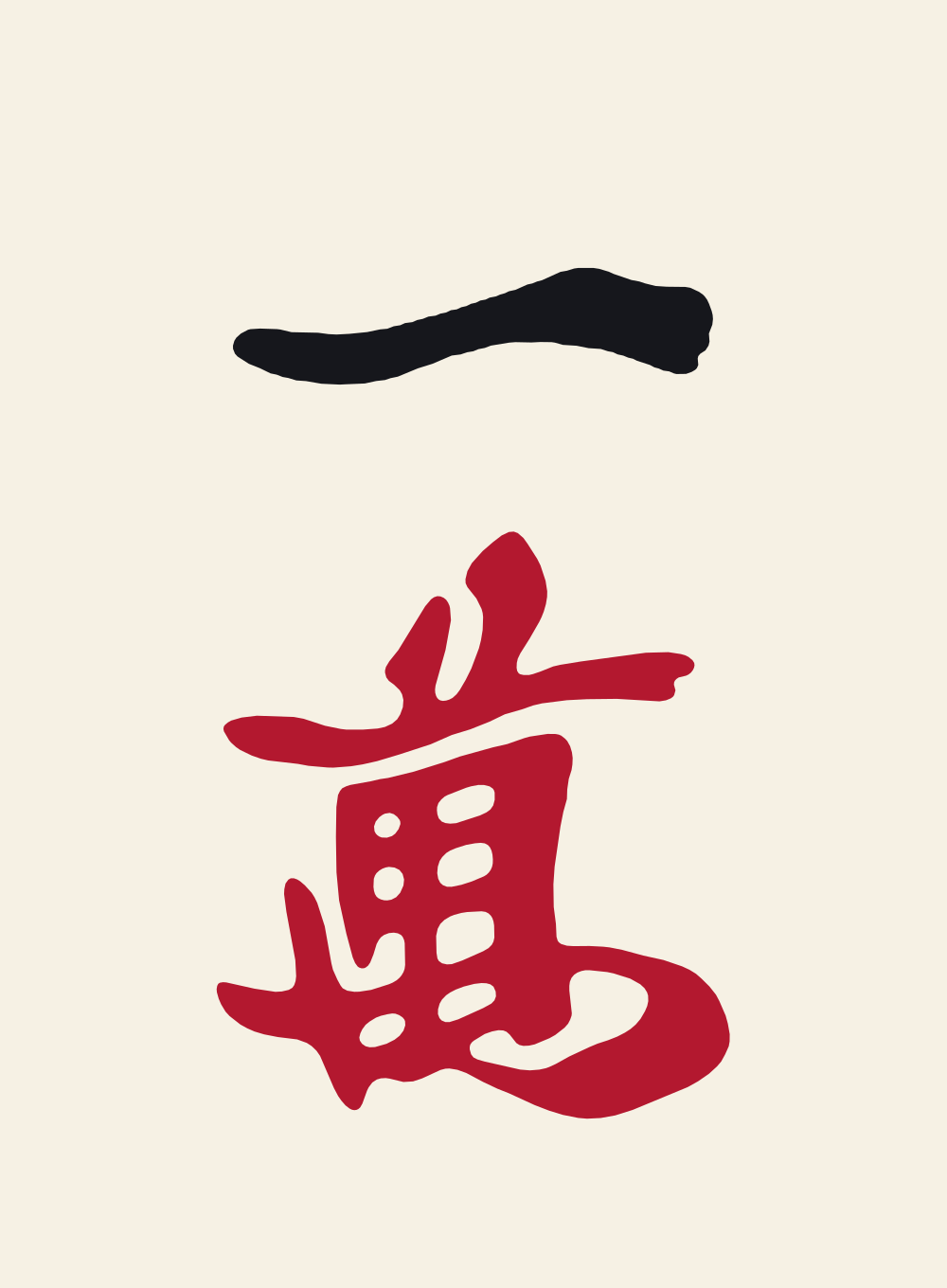
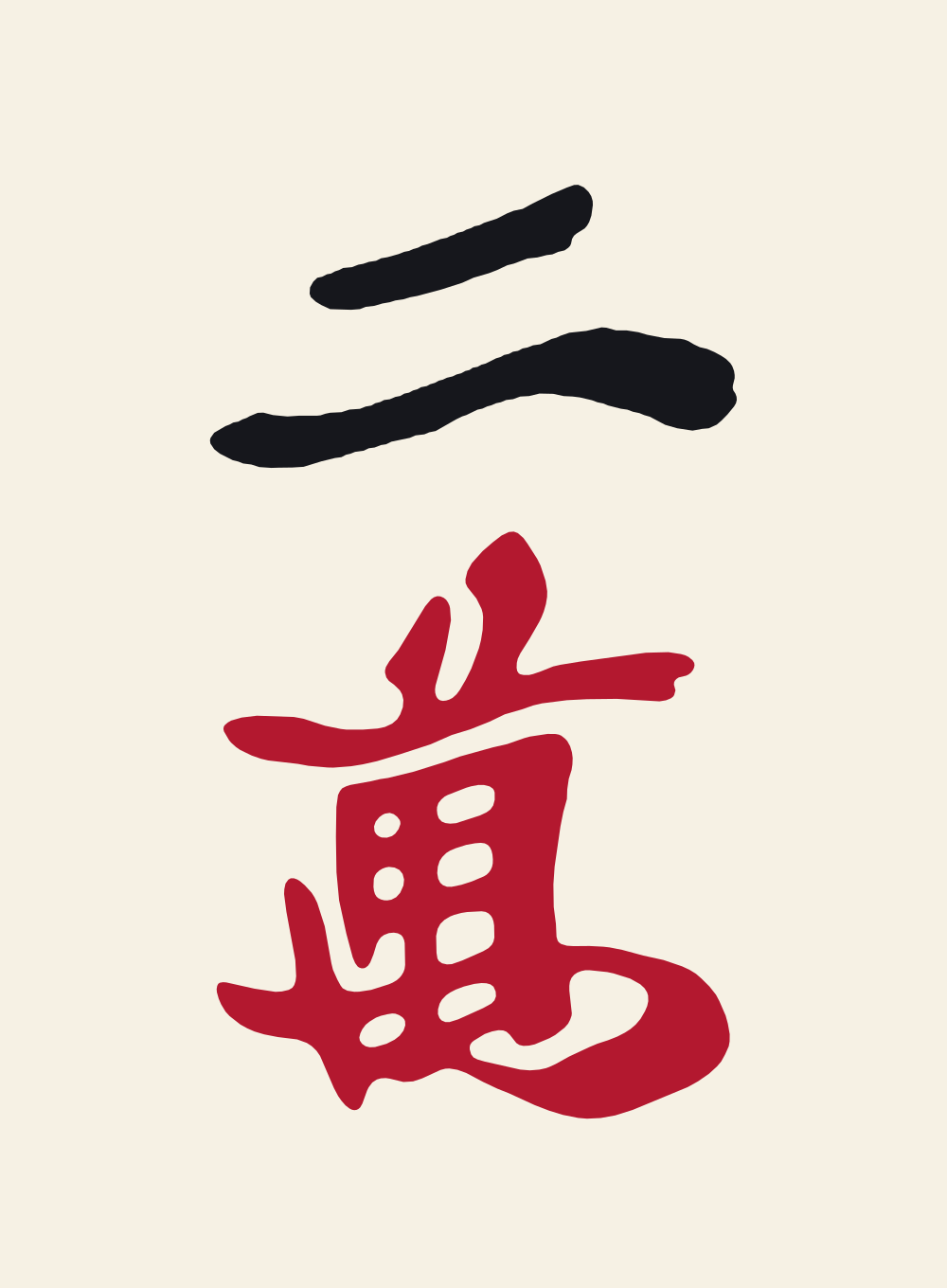
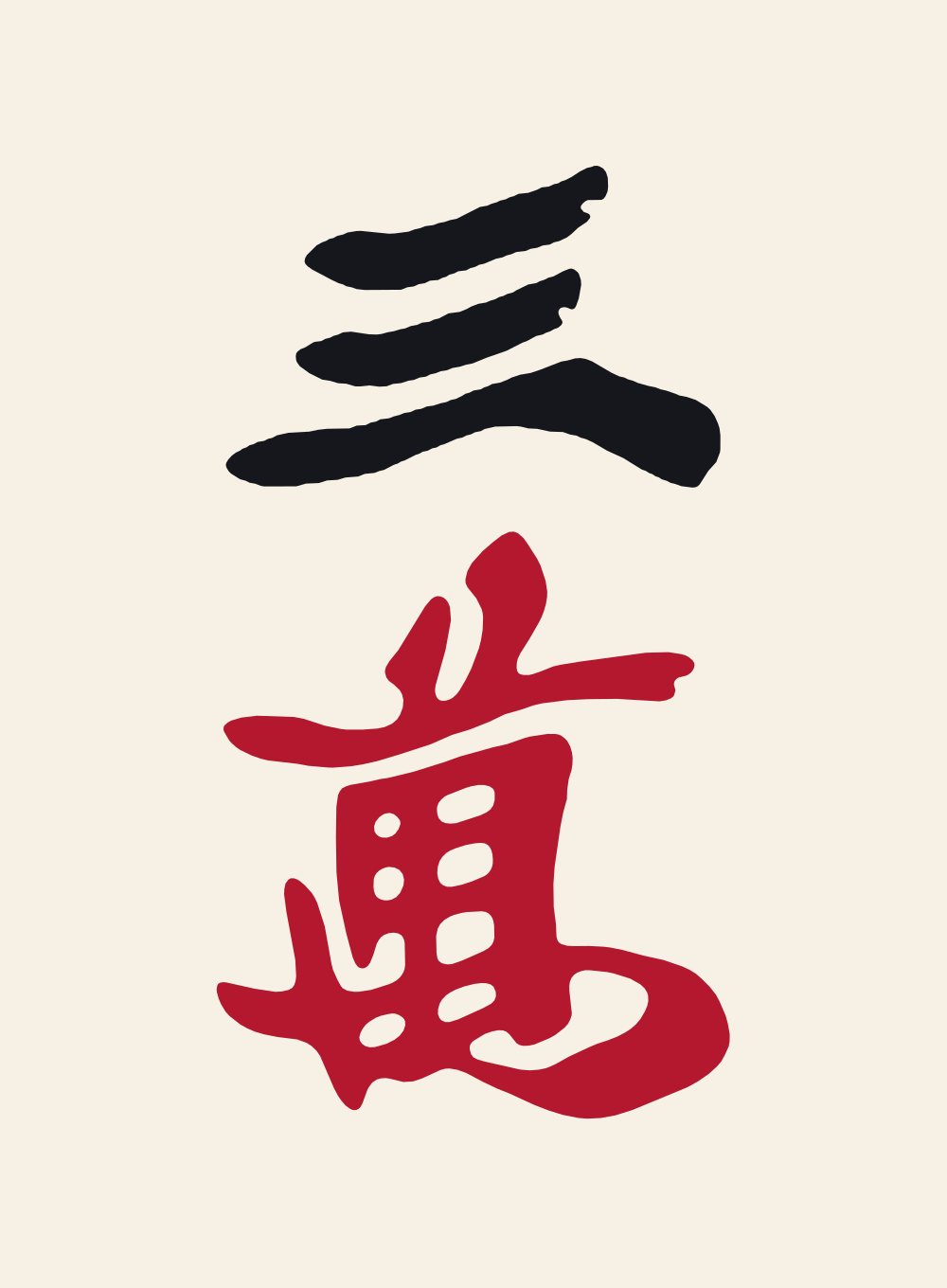
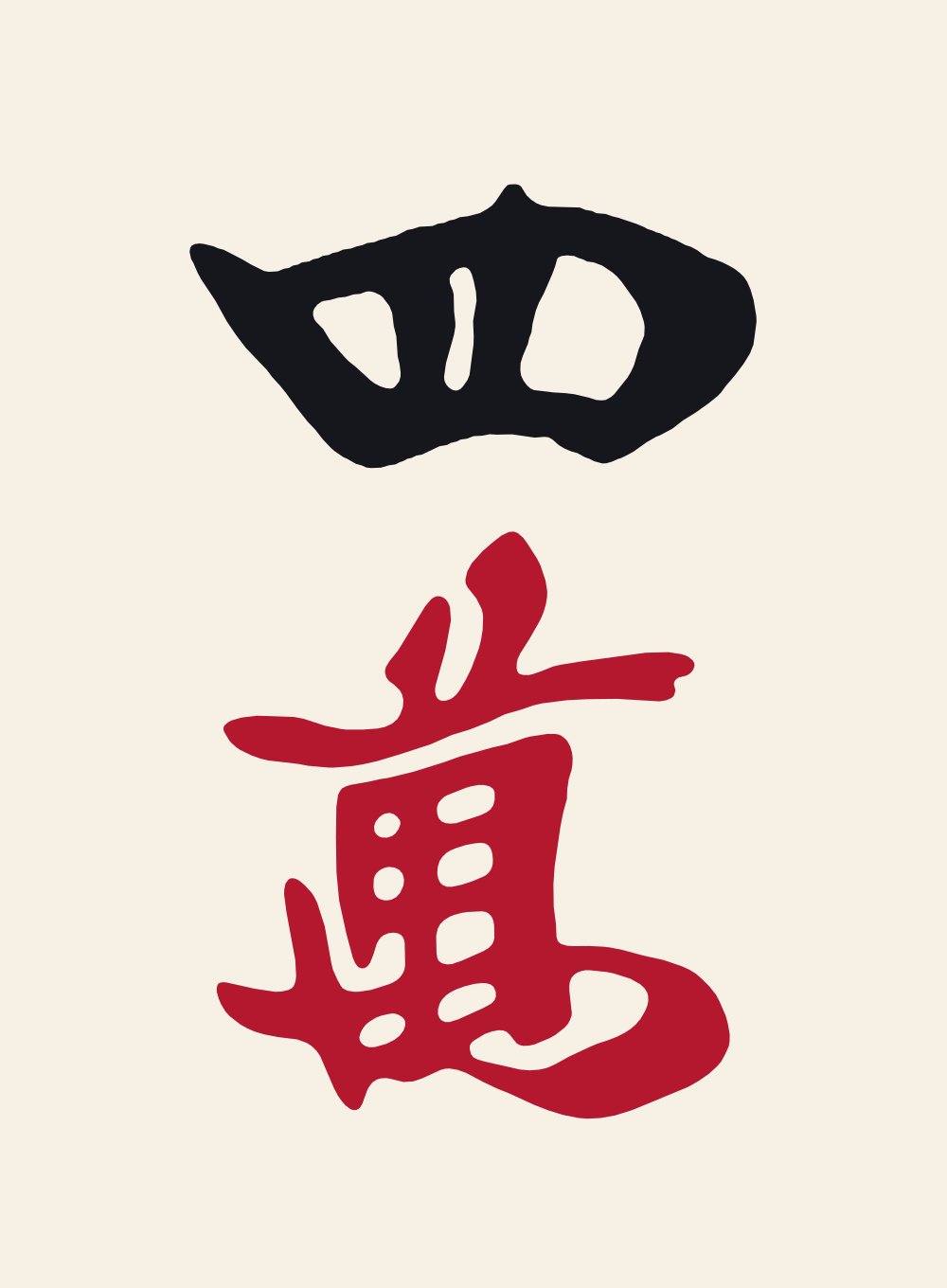
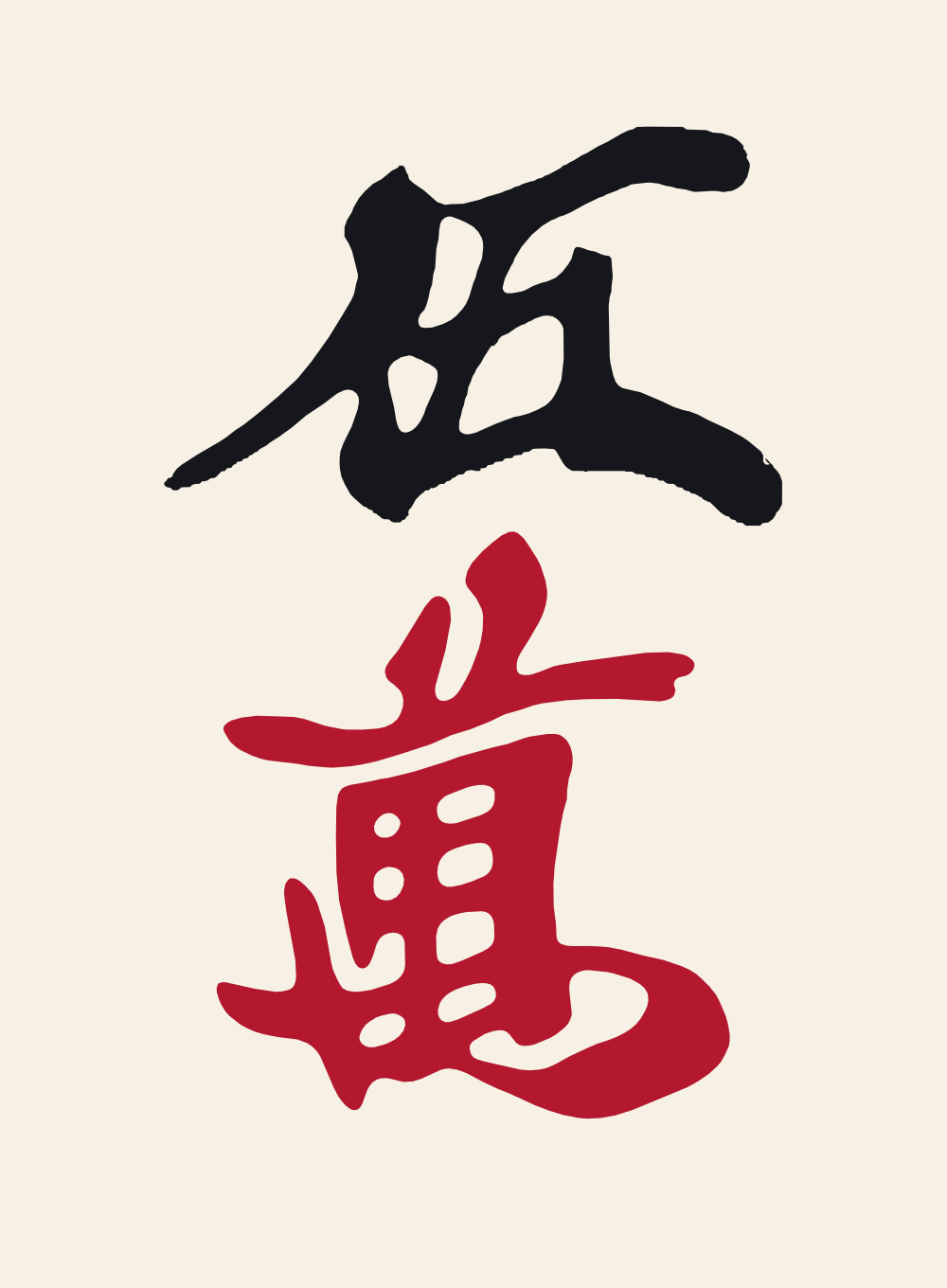
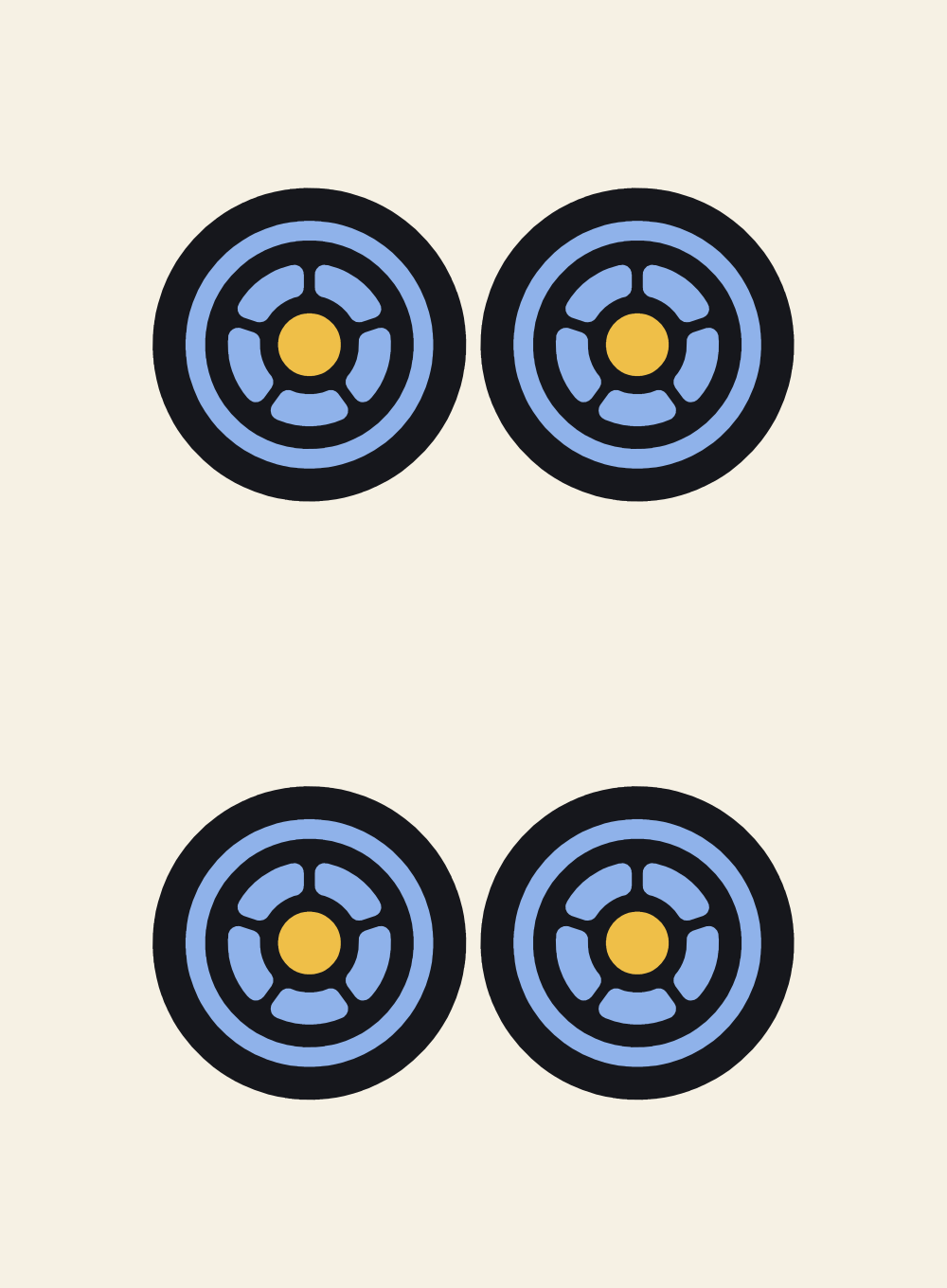
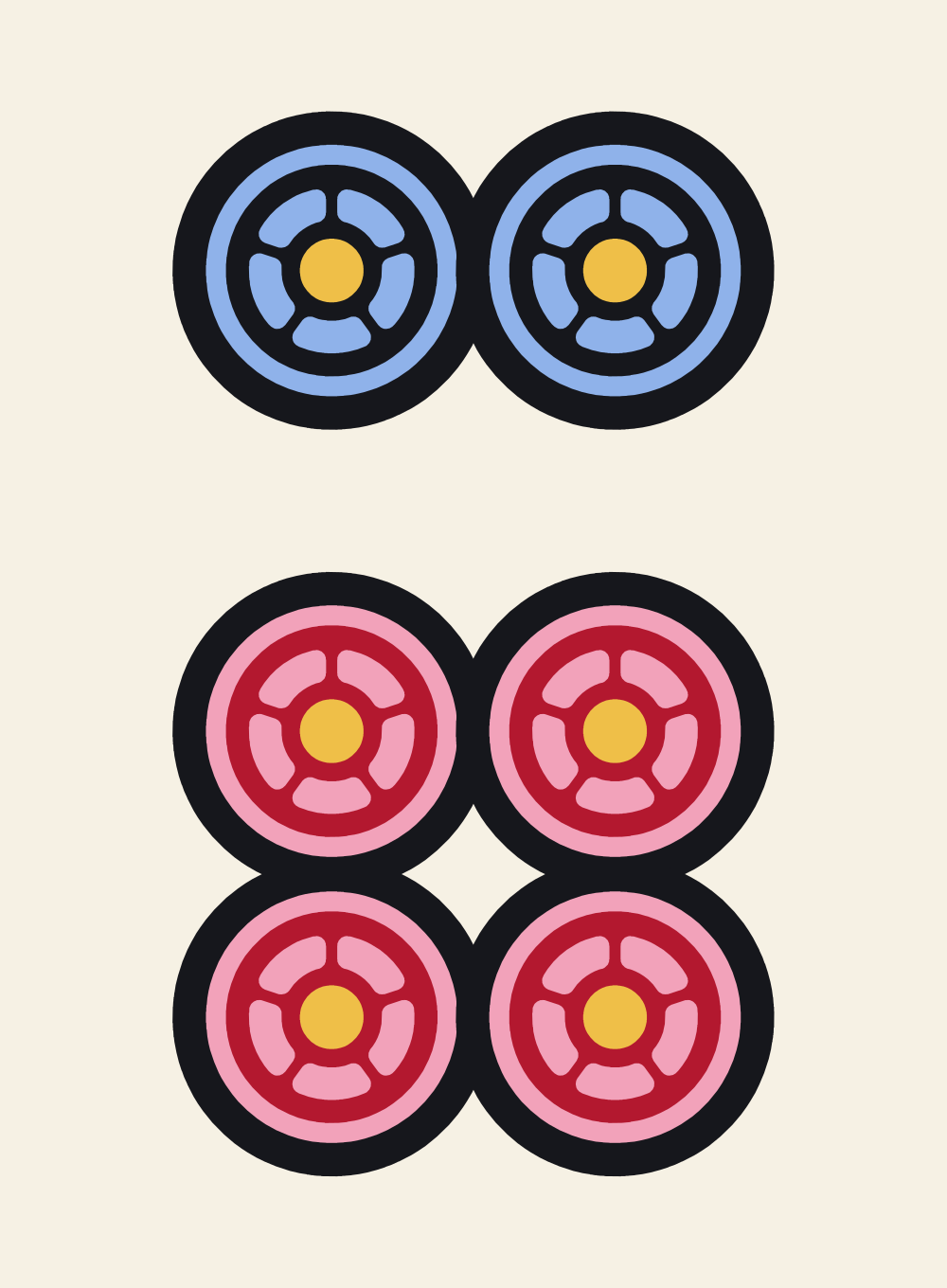
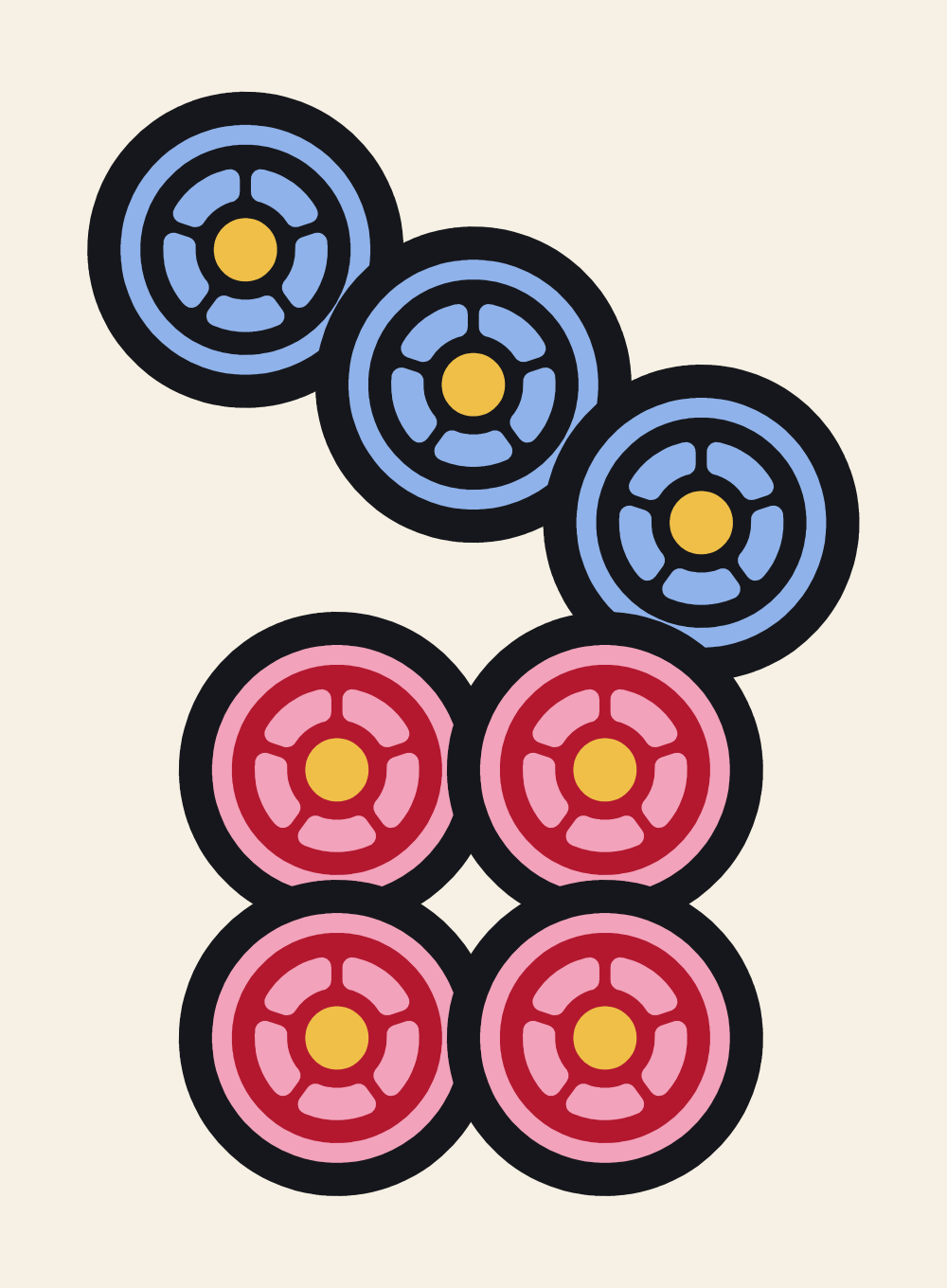
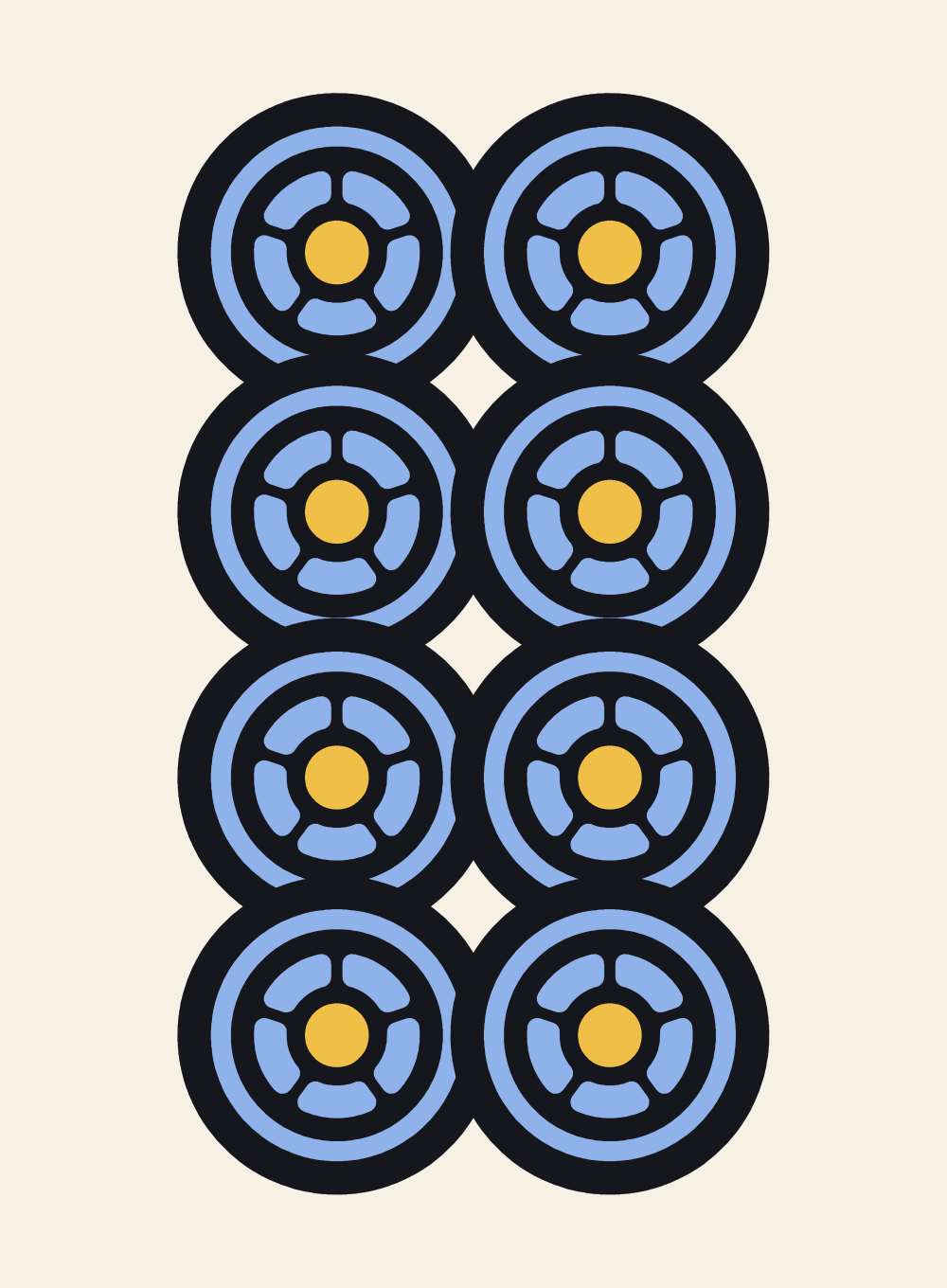
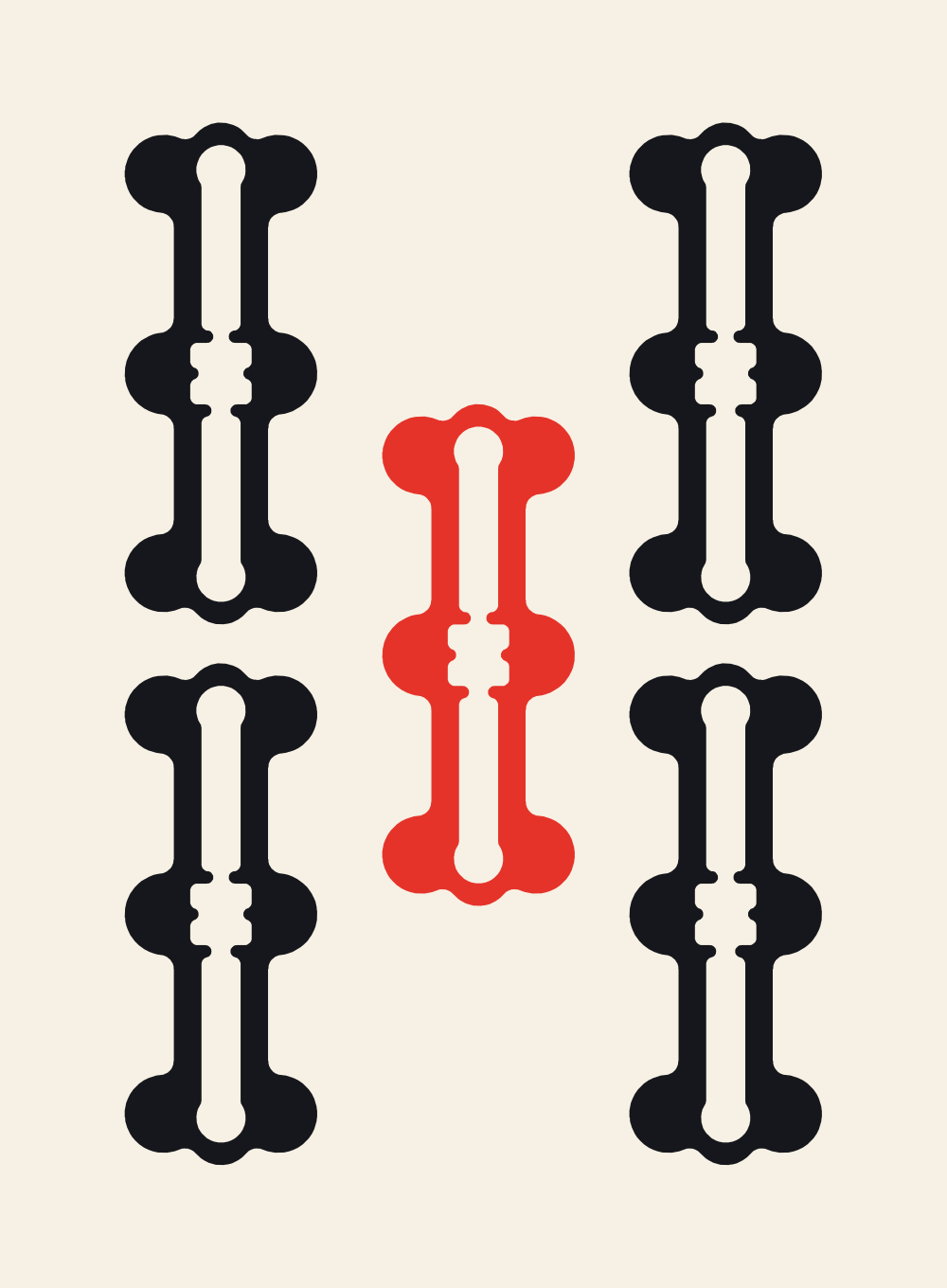
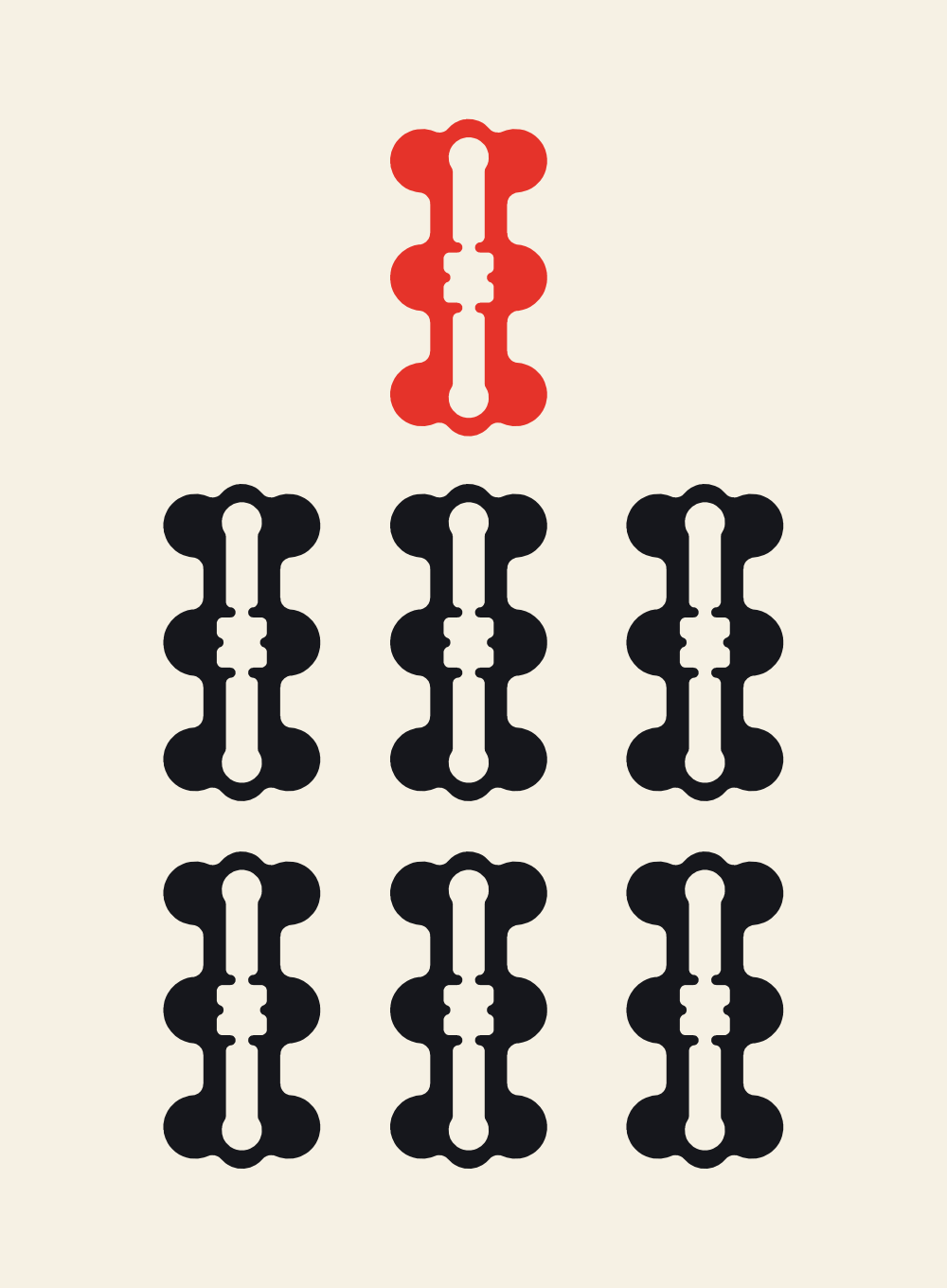
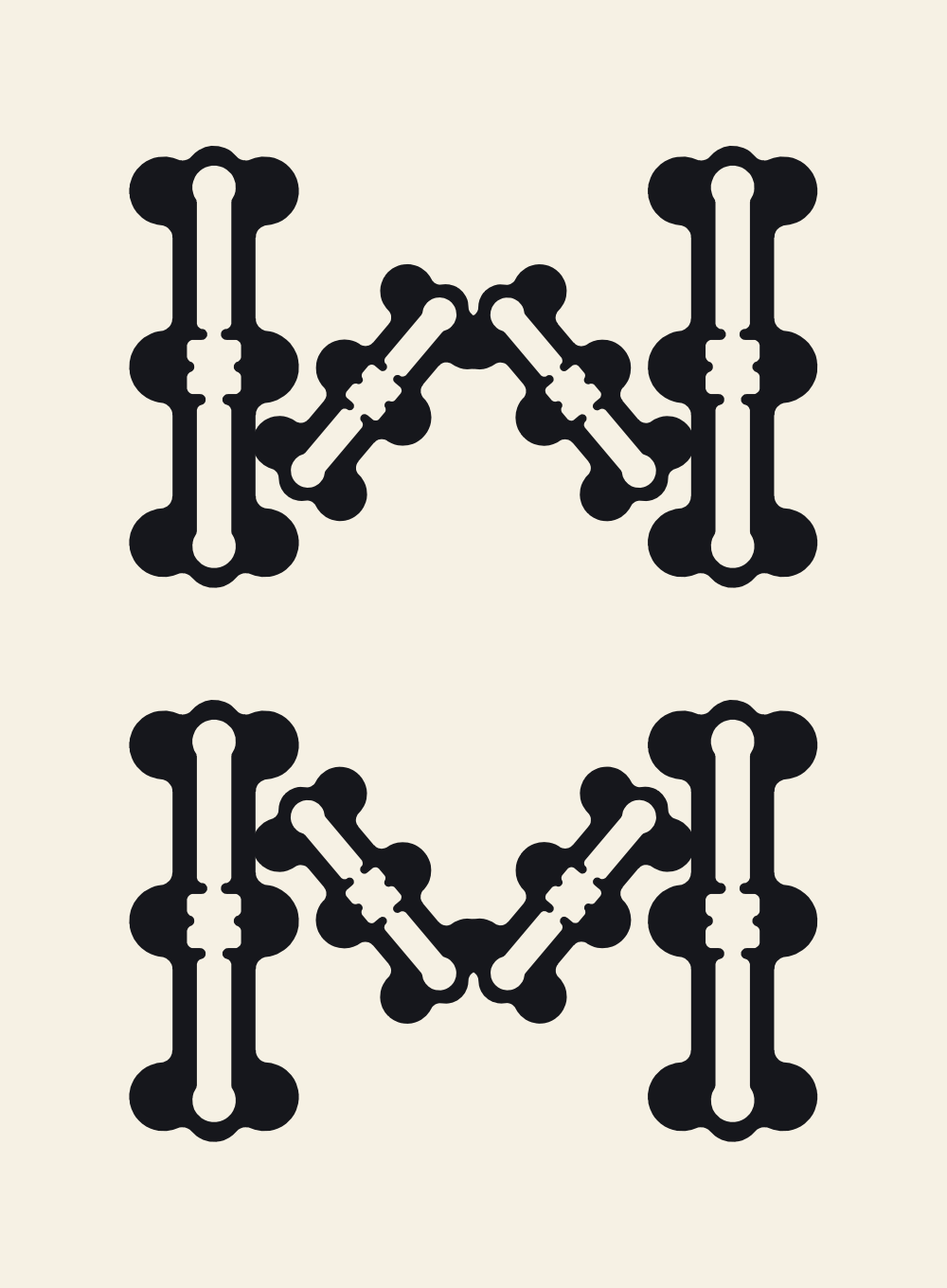
| Discard | Leaves | Accepts | Useful kinds |
|---|---|---|---|
| 1-shanten | 15 tiles | 4 kinds |
| 1-shanten | 15 tiles | 4 kinds |
| 1-shanten | 12 tiles | 3 kinds |
| 1-shanten | 12 tiles | 3 kinds |
The 1-2m isn't really a lone edge wait: it's joined to 3-4-5m, and as a whole accepts a 3m or a 6m (making 123-345 or 123-456). The middle wait 4-6p only ever takes a 5p. So the right cut is from the kanchan, keeping 15 tiles working instead of 12. Read connected tiles as one shape, not as separate blocks.
Strong and weak shapes
A pair of tiles that wants one more to become a set is a taatsu. They are not equal:
- Ryanmen (two-sided) : waits on 3 or 6, eight tiles. The best.
- Kanchan (middle)
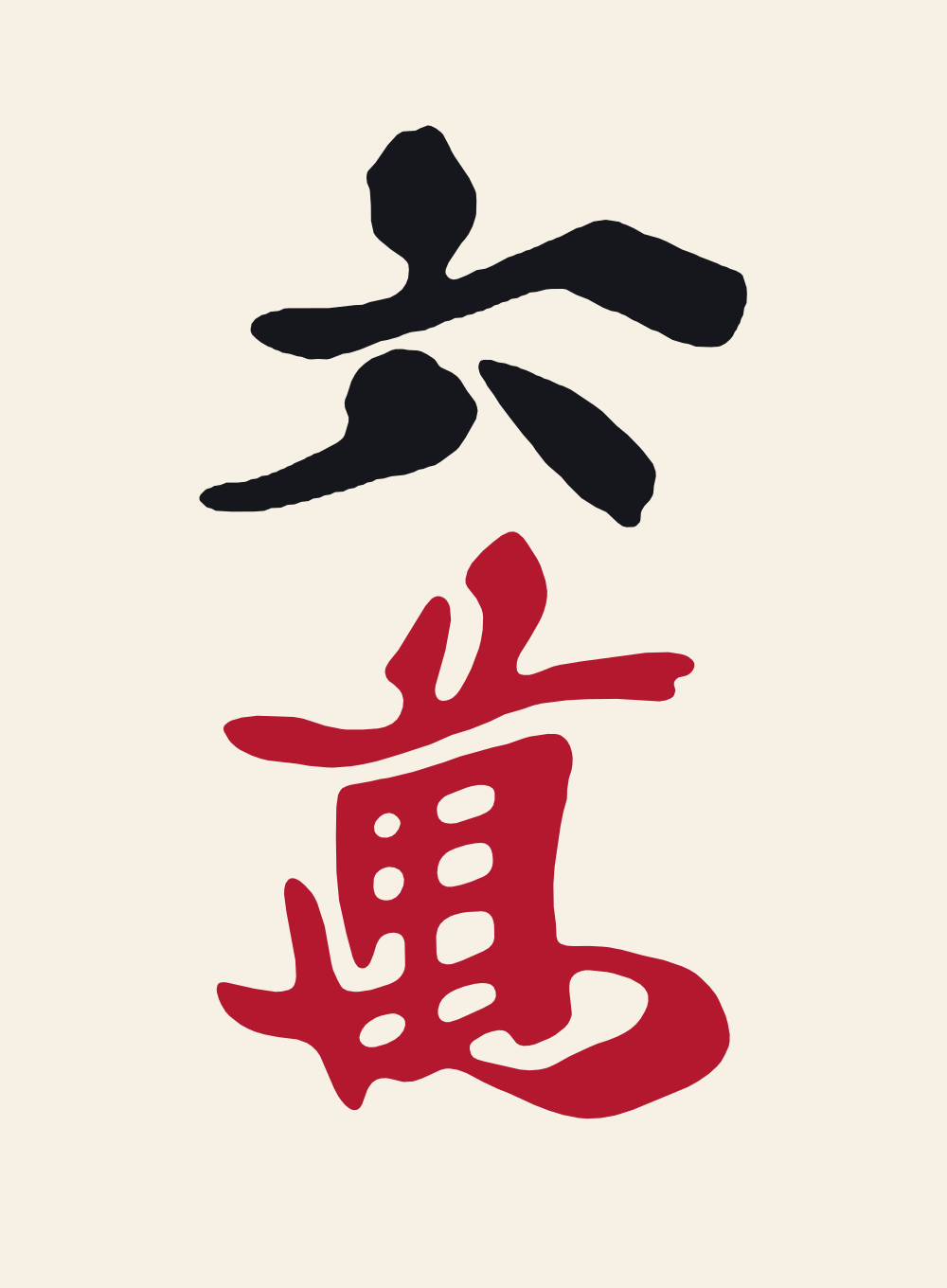 : waits on 5 only, four tiles.
 - Penchan (edge) : waits on 3 only, four tiles, and can't improve into a ryanmen easily.
- Pair : waits on two more copies. Good as your head, weak as a set-in-waiting.
Look for shapes that do two jobs. accepts 3, 4, 6 and 7. accepts 2, 3, 5 and 6. A two-tile connection plus a floating tile next to it accepts 5, 8 and a 2nd 6 or 7 to make a better shape.
What to throw first
In the first few turns, a reliable order is:
- Lone honors that aren't value tiles: winds that are neither your seat nor the round wind.
- Lone terminals: 1s and 9s without neighbours.
- Lone value honors (dragons, your wind), unless you have a pair of them.
- Lone 2s and 8s.
- Then the weakest taatsu: penchan before kanchan before ryanmen.
Keep a value-tile pair: a pon of it is a free yaku. And keep the dora if it's connected to anything.
The five-block rule
A complete hand is four sets and a pair: five blocks. Once your hand has five or more blocks (sets, taatsu or pairs), extra connections are surplus. When you hold six weak blocks, cut the weakest one entirely rather than spreading damage across two. When you have only four, keep every floating tile that could become a fifth.
Practice
Efficiency is pattern recognition, and patterns come from repetition. Solve the daily discard puzzle: it uses the same shanten and ukeire counts as the table above. In a game, Mahjong Sushi's hand review (at the end of each hand) shows any discard that cost you tiles, next to what the bot would have thrown.
More strategy
Ready for a hand?
Sit down at the table against three bots. It runs in your browser, saves your progress, and teaches you as you play.
Play Mahjong Sushi