Shanten: How Far From Ready
Shanten is the number of tiles your hand still needs before it's ready to win. Once you can count it, every discard decision gets easier.
What the number means
A hand is tenpai when one more tile would complete it. Shanten counts the steps before that: how many more useful tiles you need to draw (or call) to become tenpai, if every draw is a good one.
- Tenpai (0-shanten): one tile from winning.
- Iishanten (1-shanten): one useful tile from tenpai.
- Ryanshanten (2-shanten): two useful tiles away, and so on.
A typical starting hand is 3 or 4-shanten, and a hand rarely starts worse than 6. Count with the 13 tiles you hold between turns. Right after you draw, your shanten is what you'll have after your best discard. Every set you call counts as a finished set.
Counting it by hand
A winning hand is four sets and a pair. To count shanten, split your hand into blocks:
- Sets: a sequence like
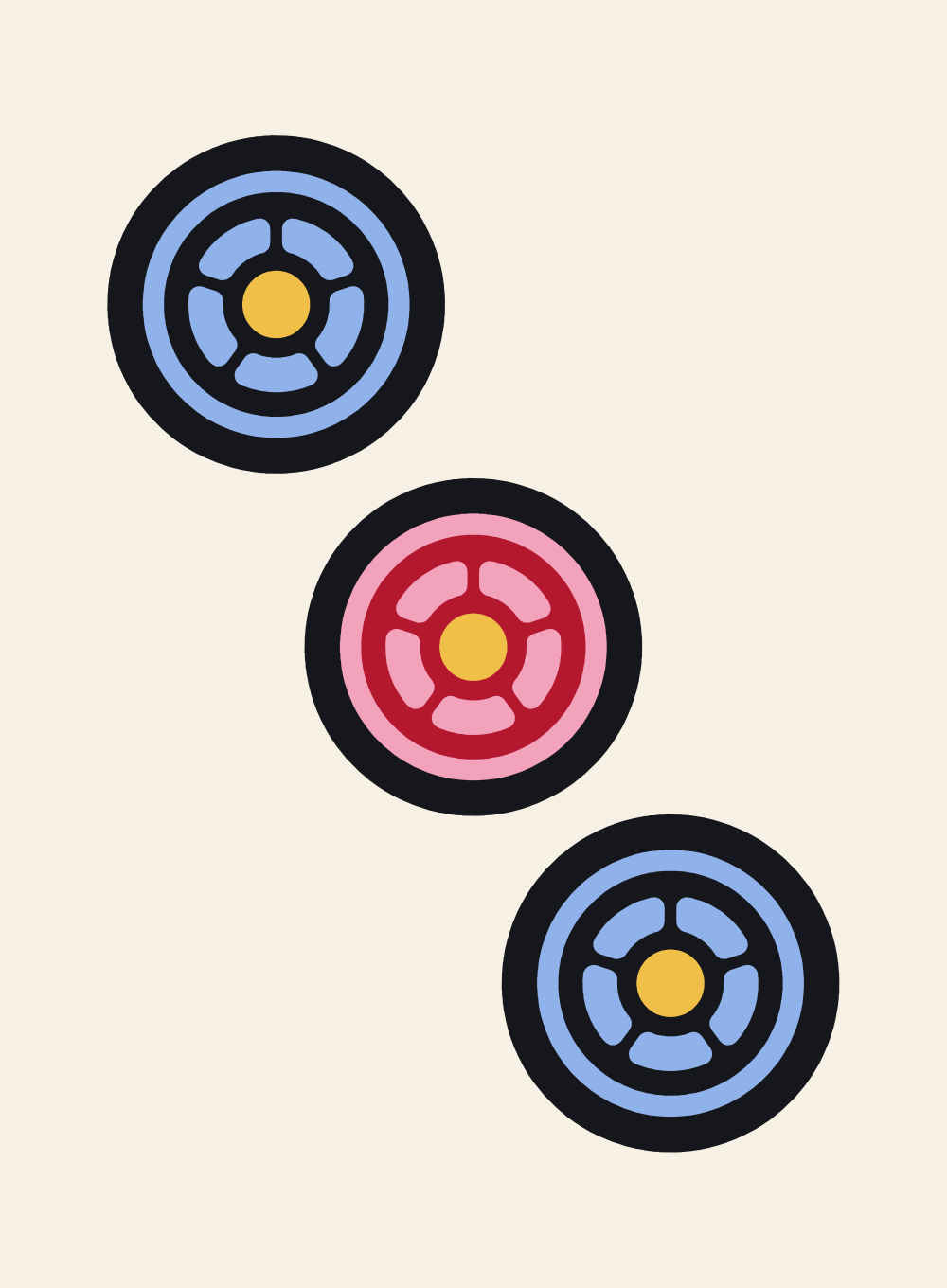
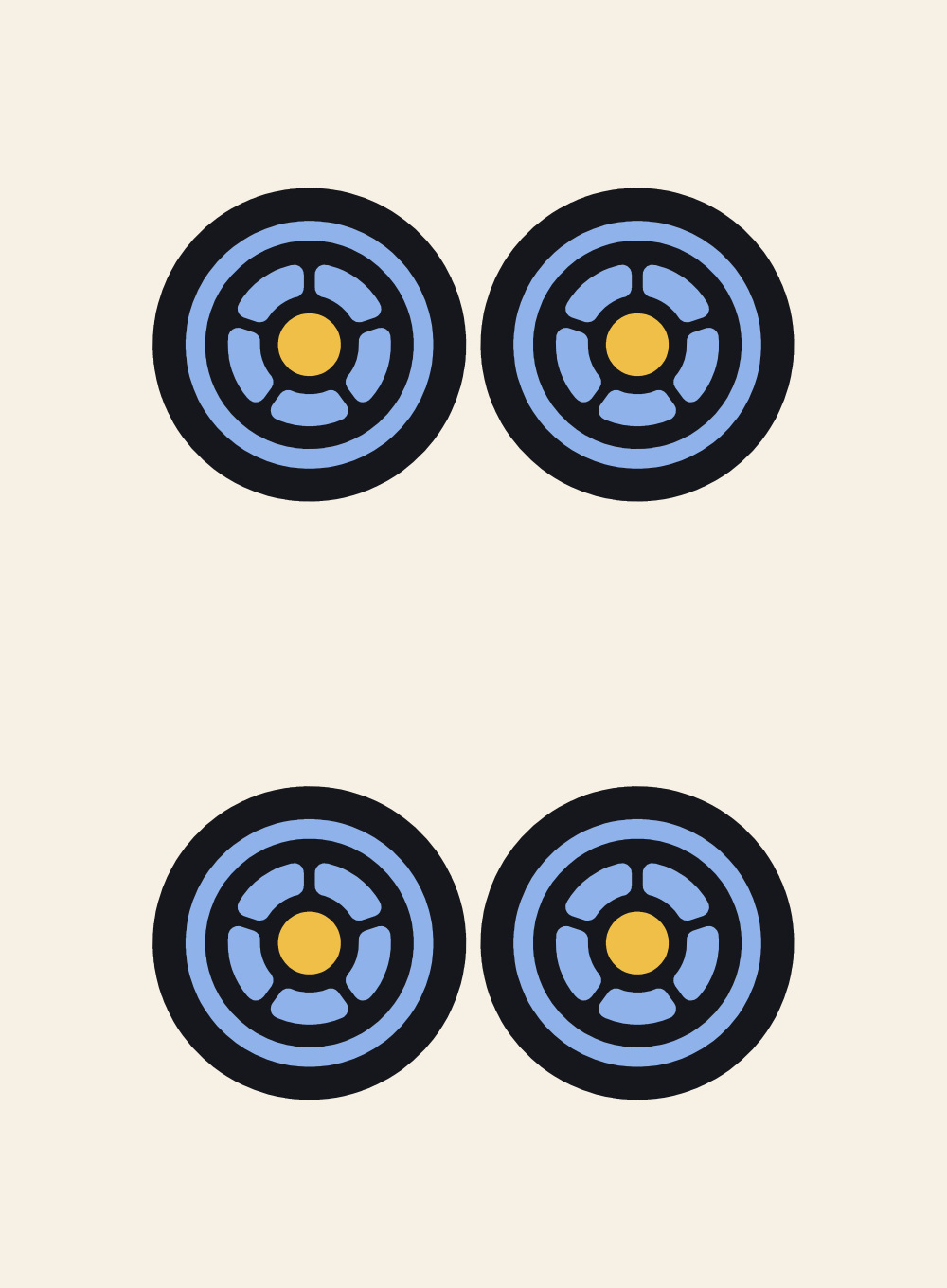
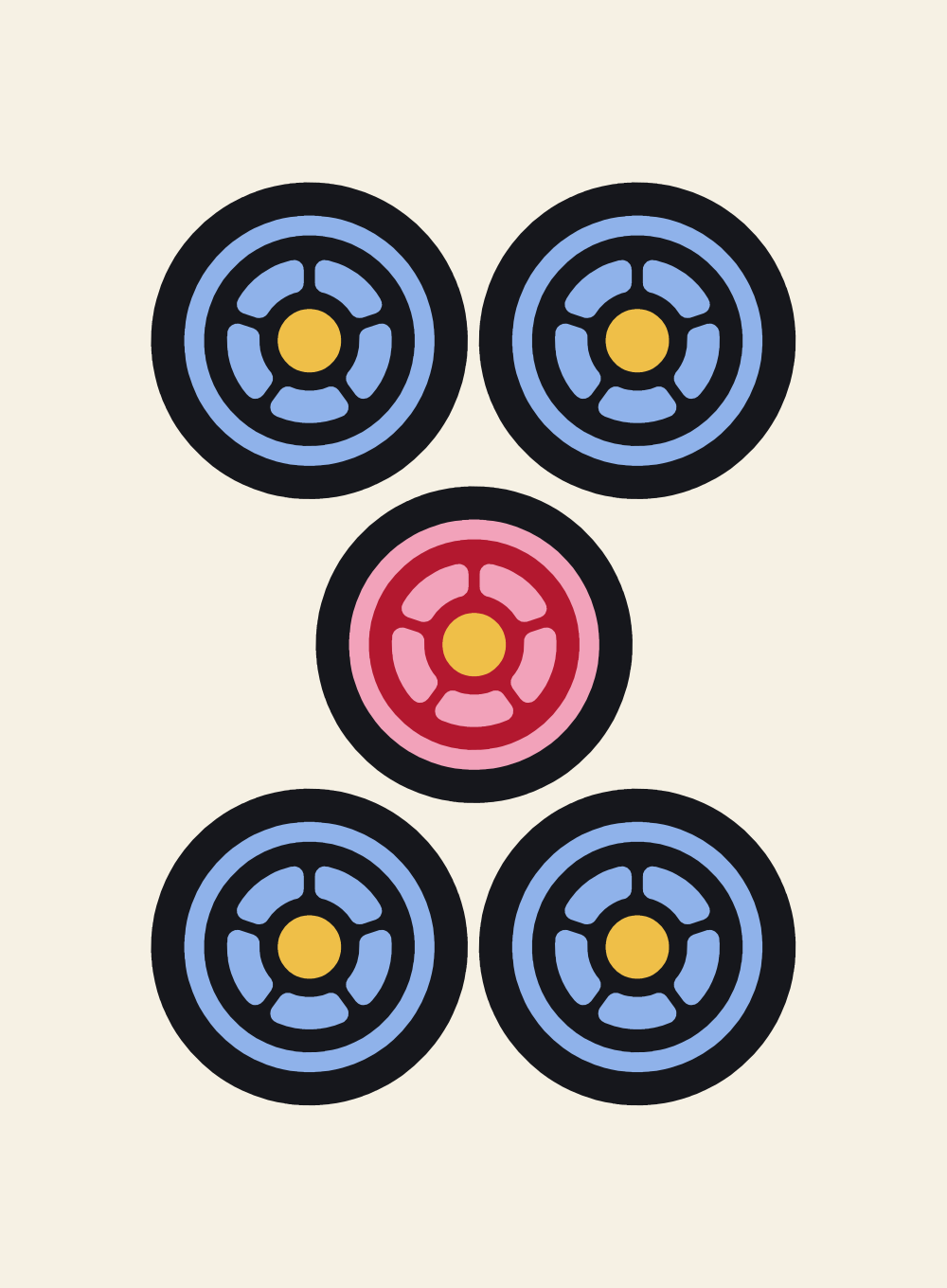 or a triplet like
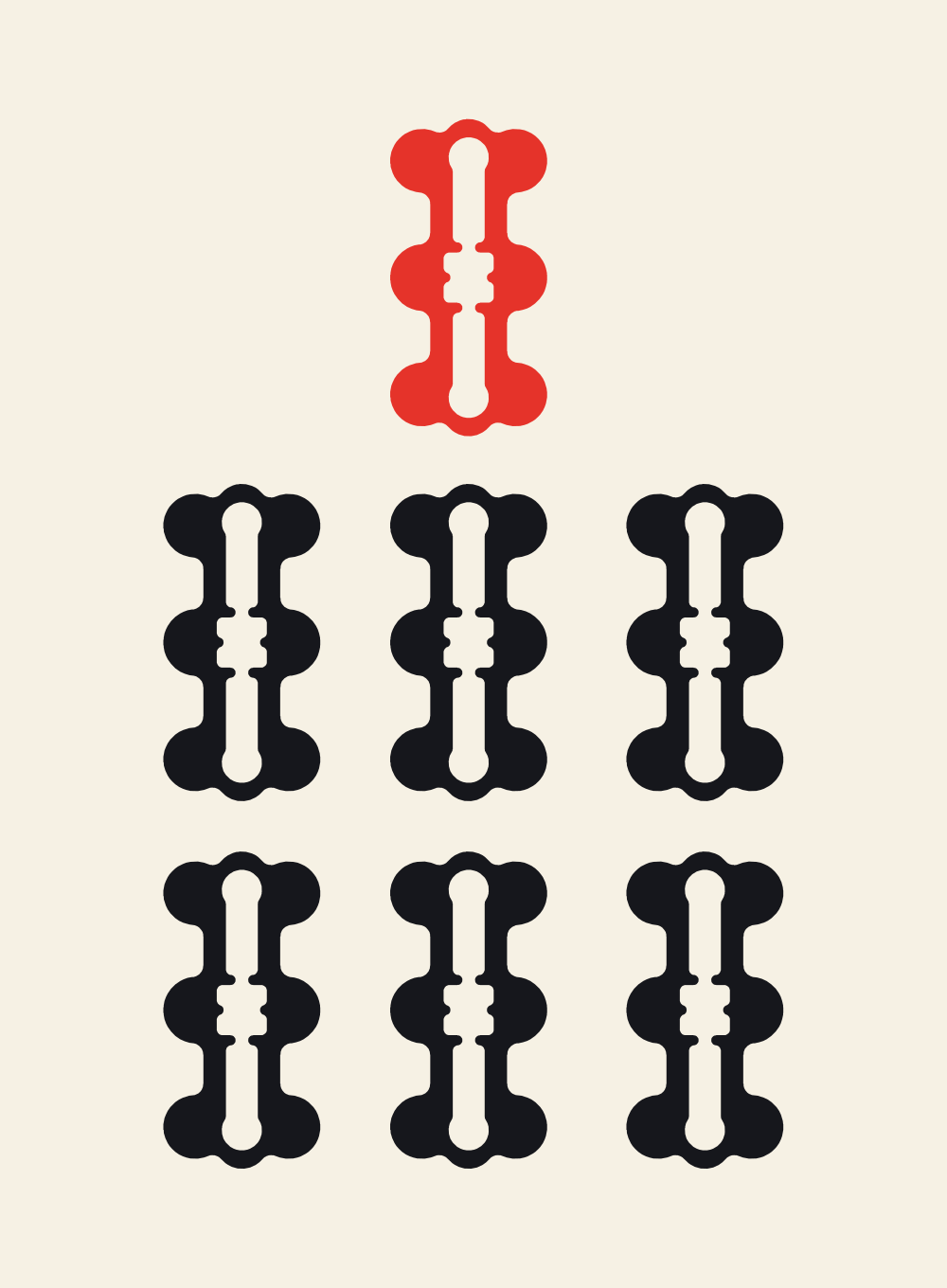 .
- Partial sets: two tiles that one more tile turns into a set, like
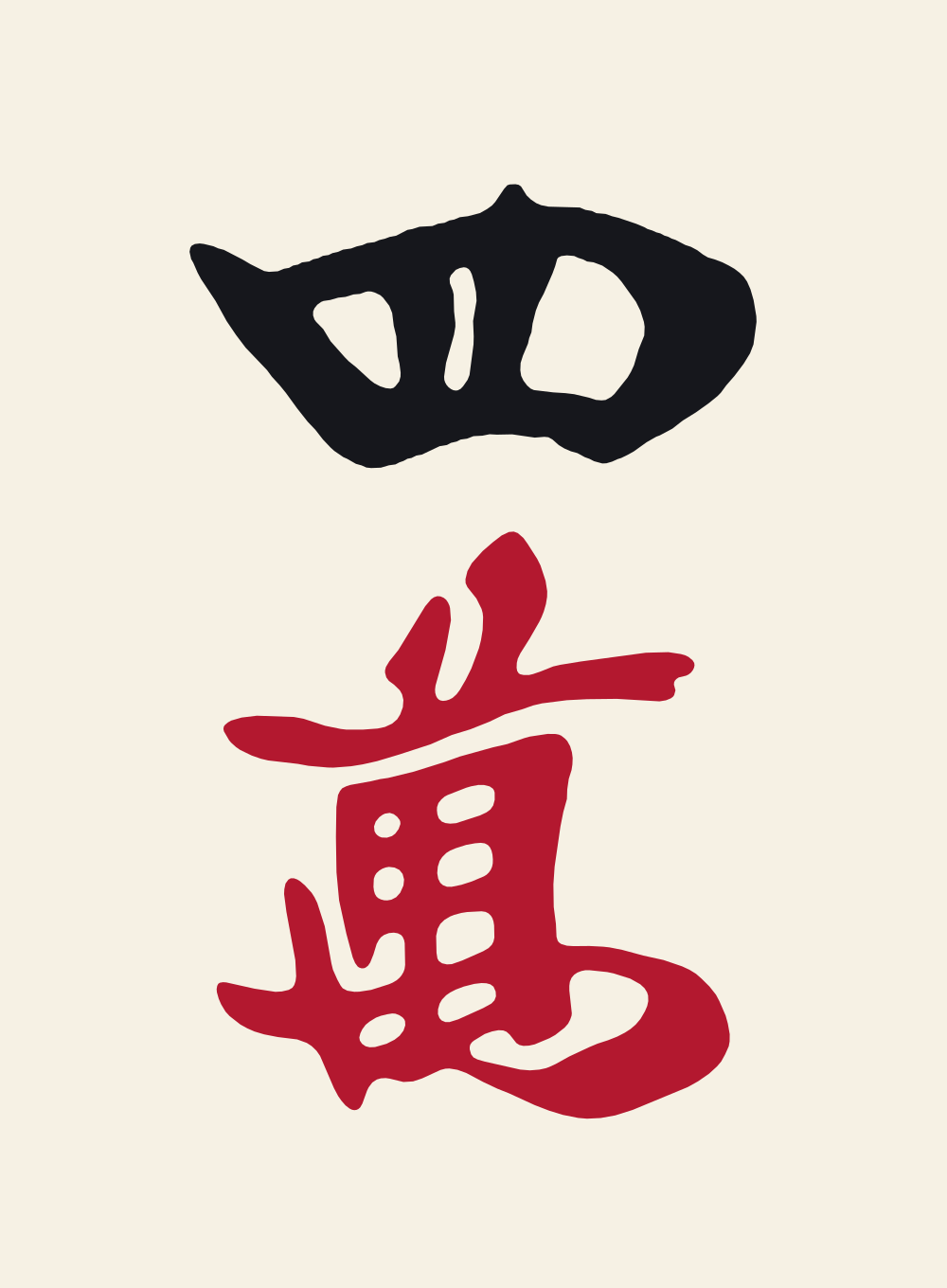
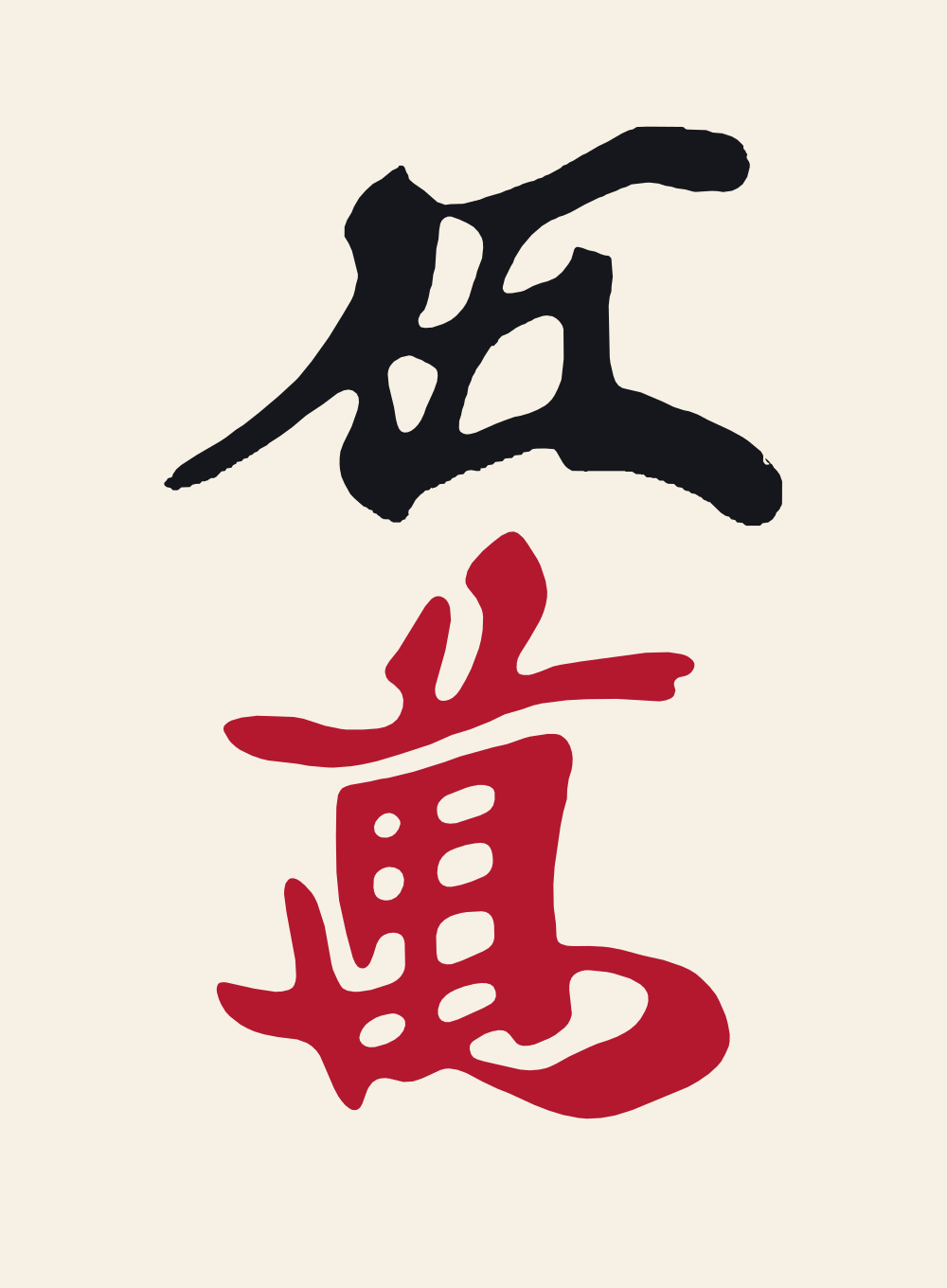 ,
 or
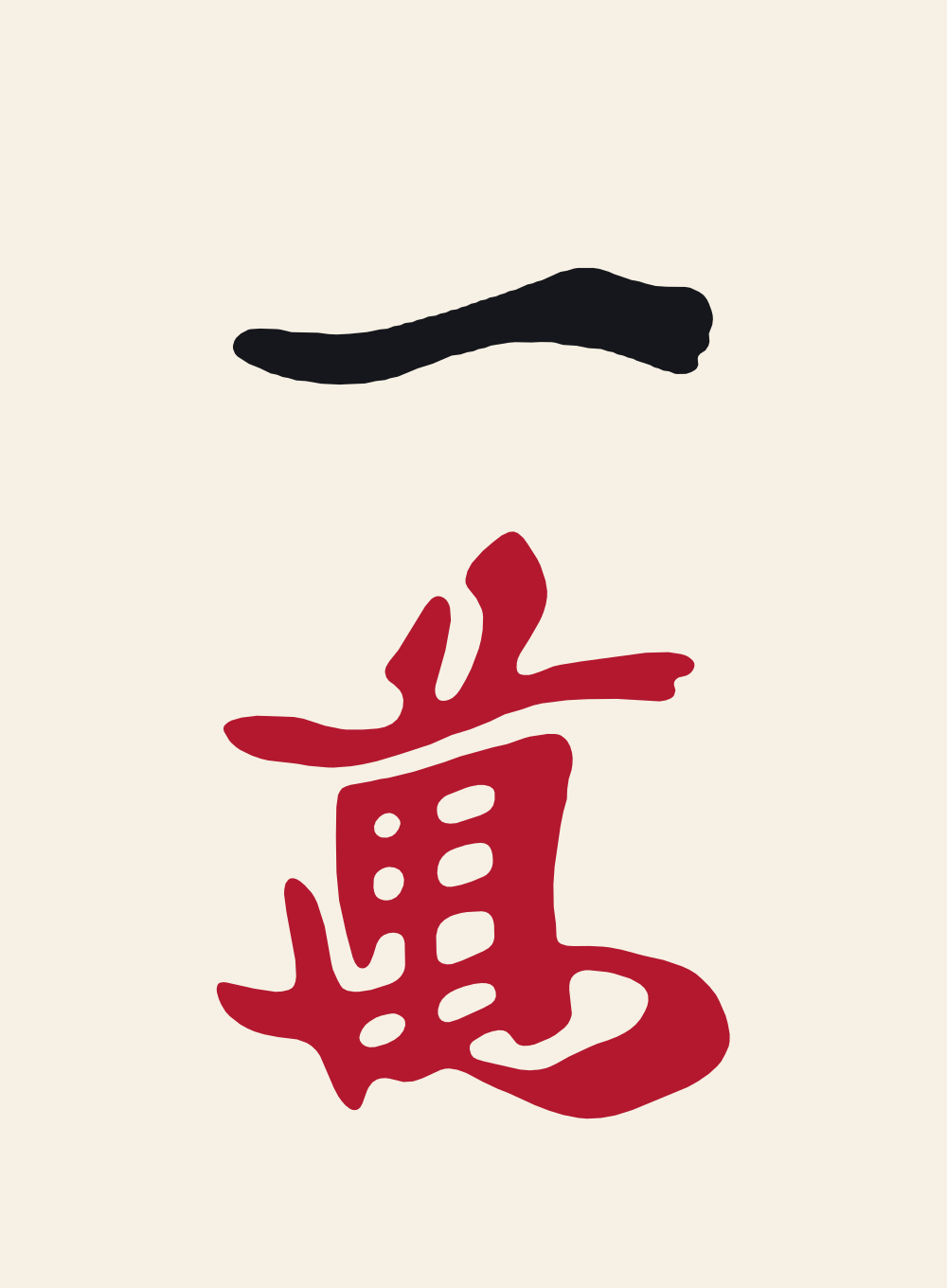
 .
- The pair: one pair can be the hand's head, like
 .
- Loose tiles: everything else.
Then start from 8 and take off 2 for every set, 1 for every partial set and 1 for the pair. Sets and partial sets together count at most 4, since a hand only has room for four sets.
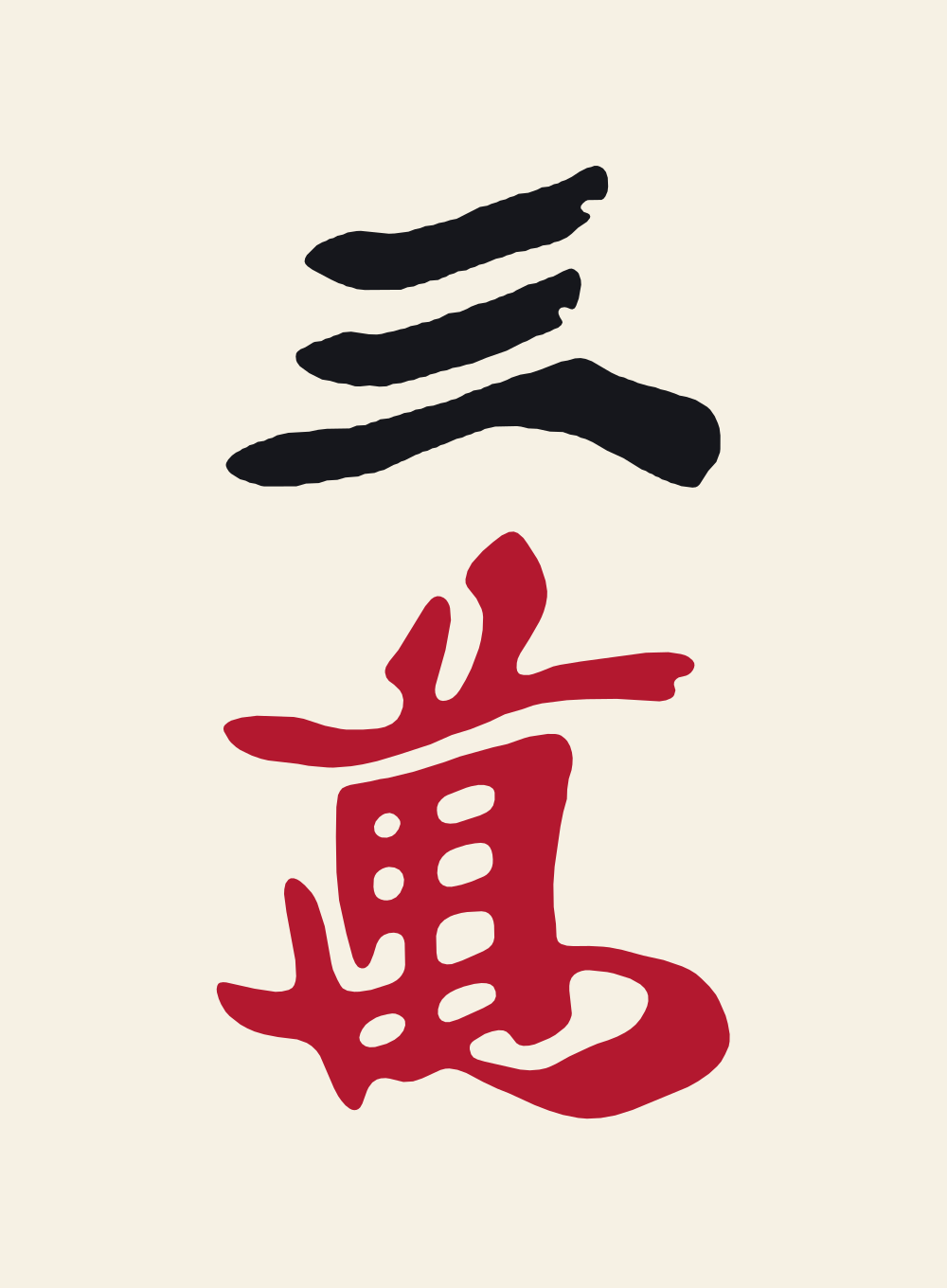
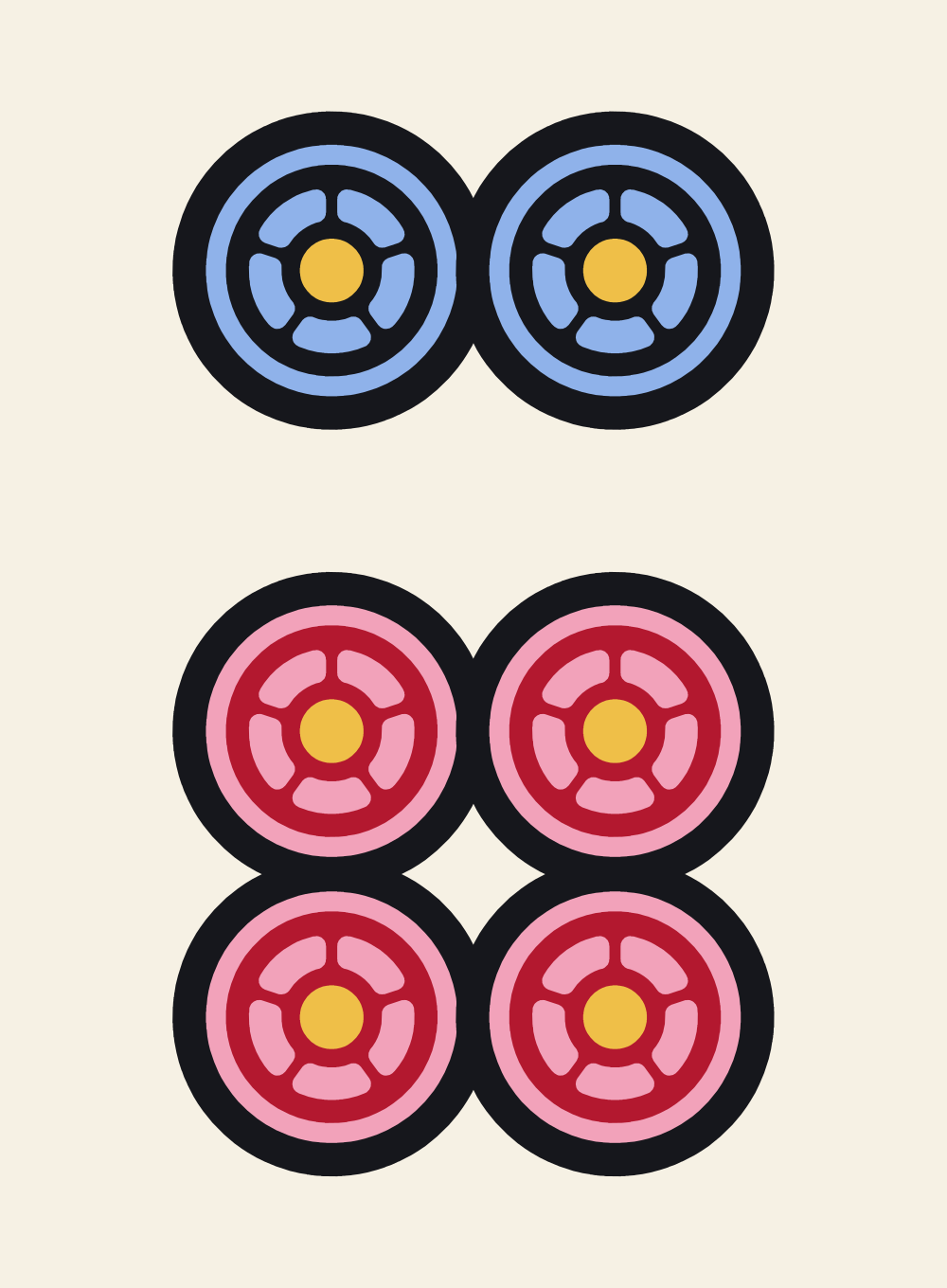
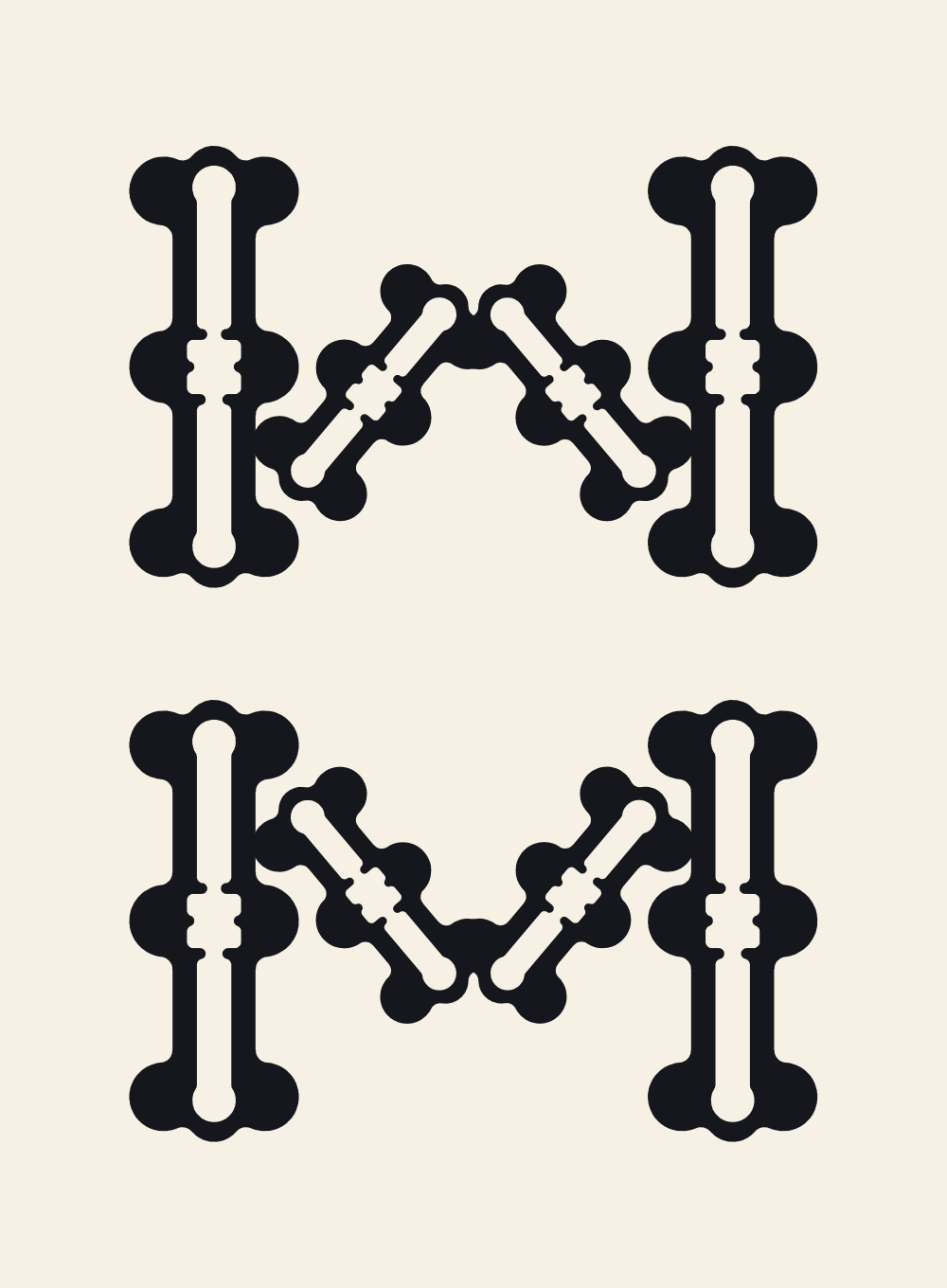
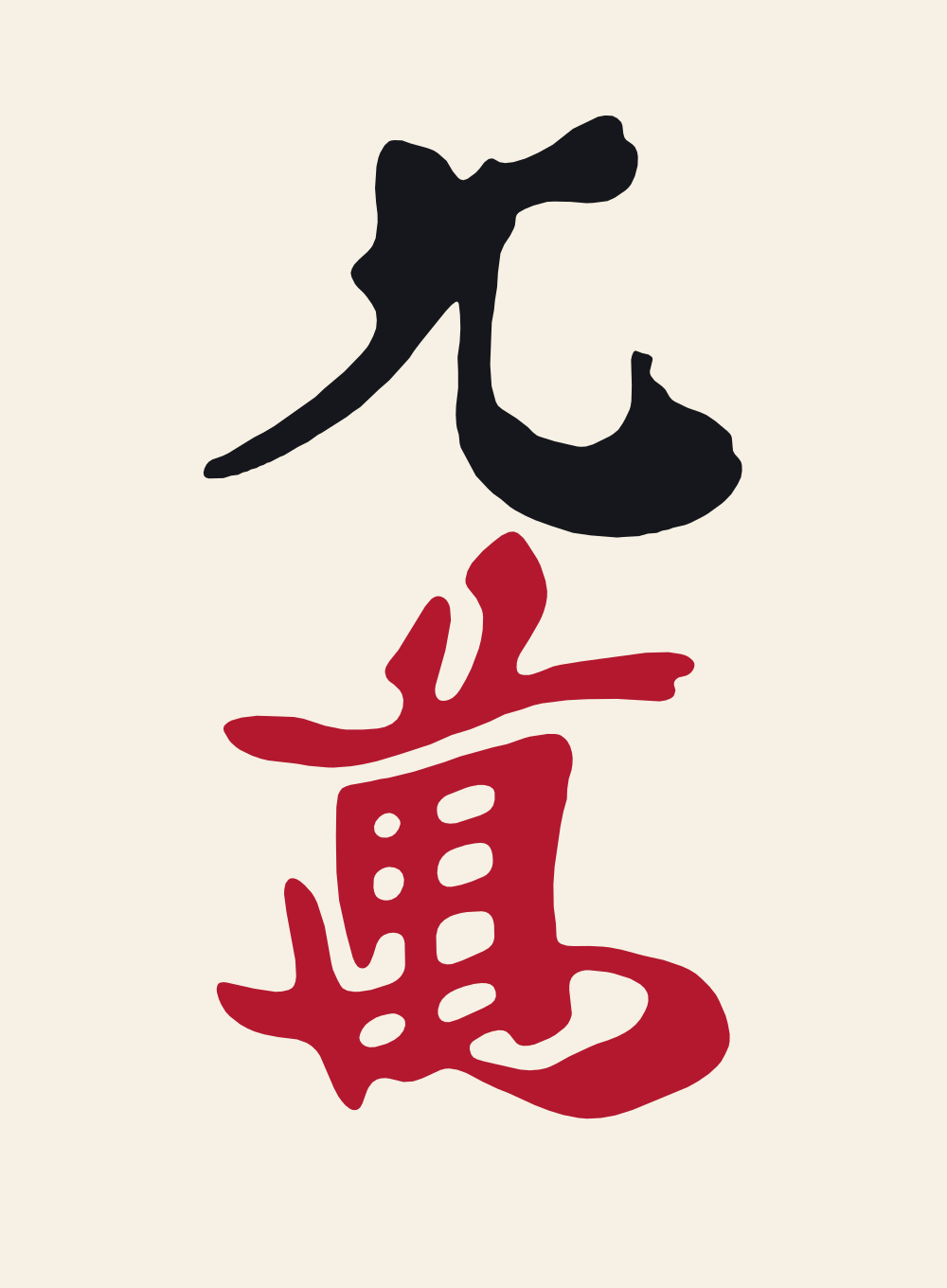

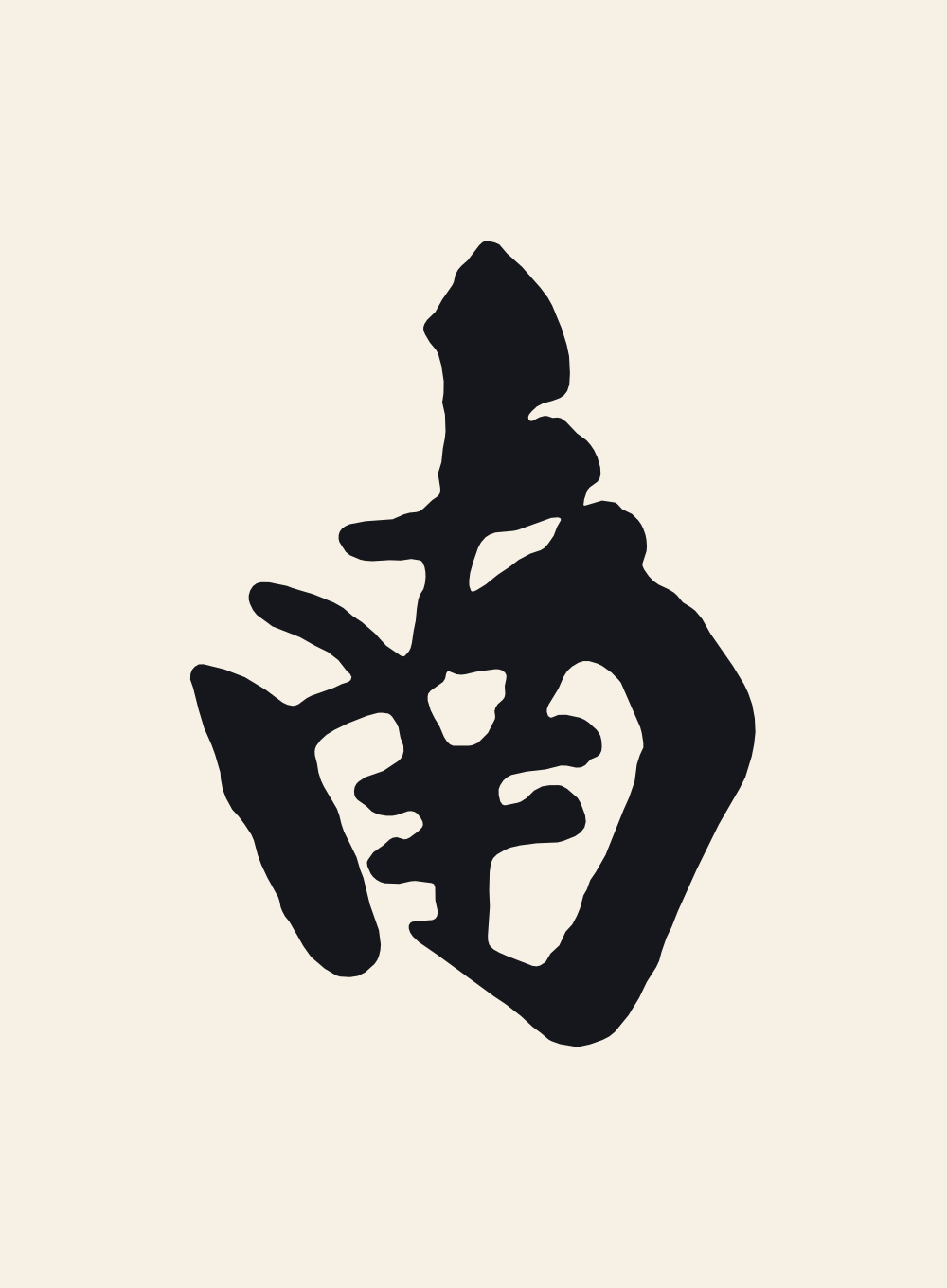
| Block | Tiles | Takes off |
|---|---|---|
| Sets | | 2 × 2 = 4 |
| Partial sets | | 1 |
| Pair | | 1 |
| Loose | | 0 |
| Shanten | 8 − 4 − 1 − 1 | 2-shanten |
When tiles could be split more than one way, try each split and keep the lowest result. is a pair and a set (takes off 3), not two partial sets (takes off 2). The game does this for every split, and it's what the number in the shanten panel shows.
Too many blocks
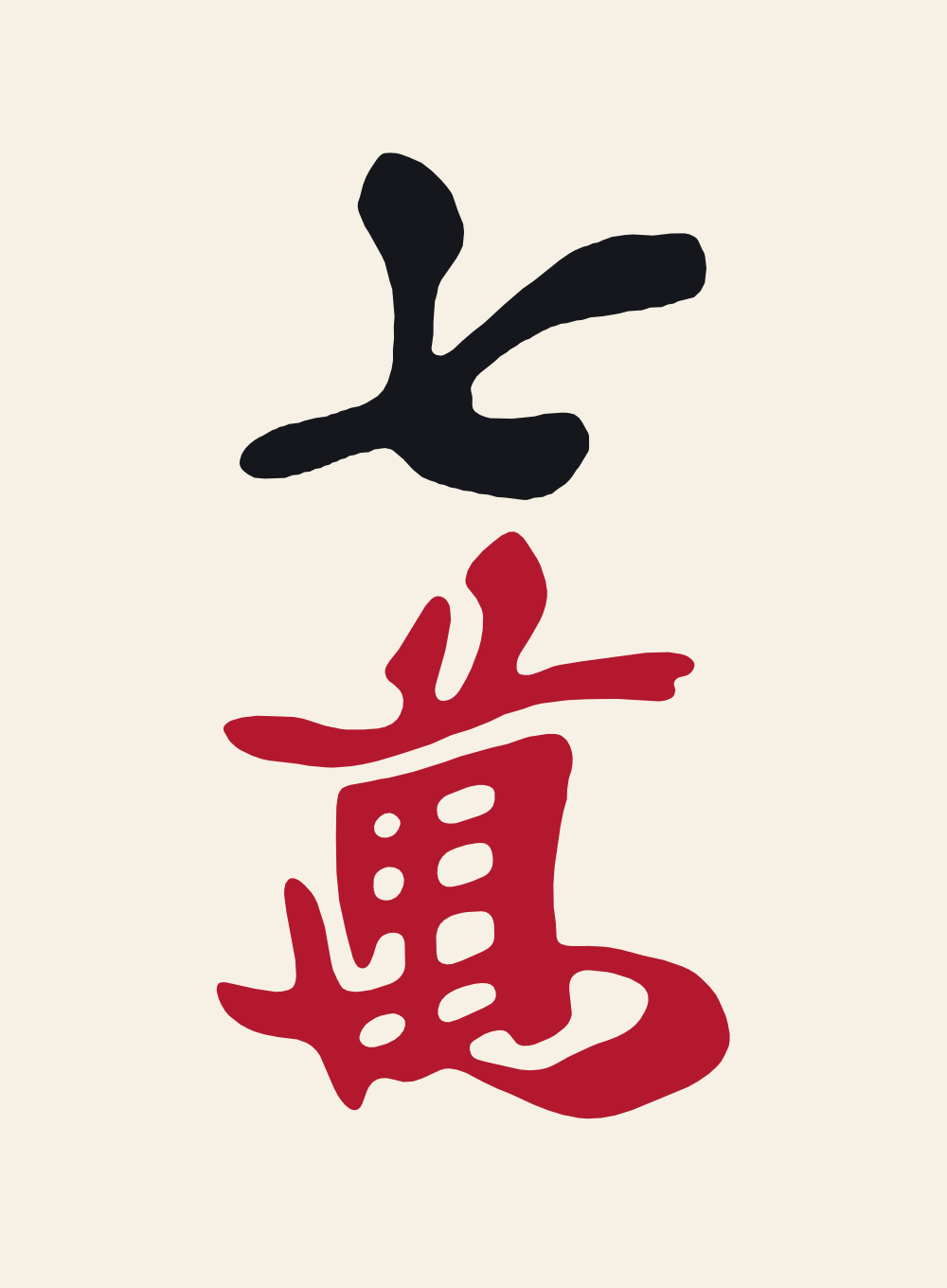
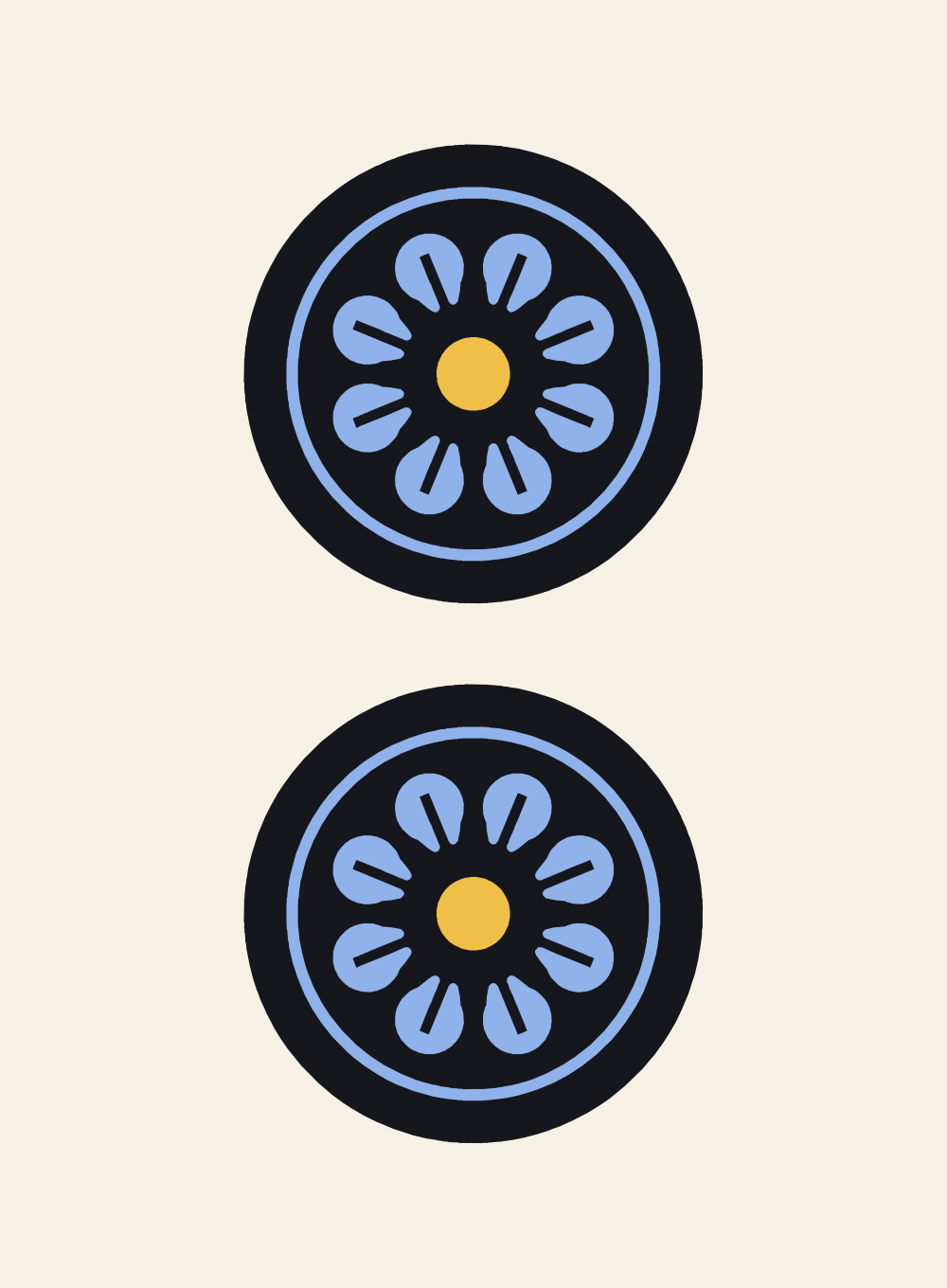
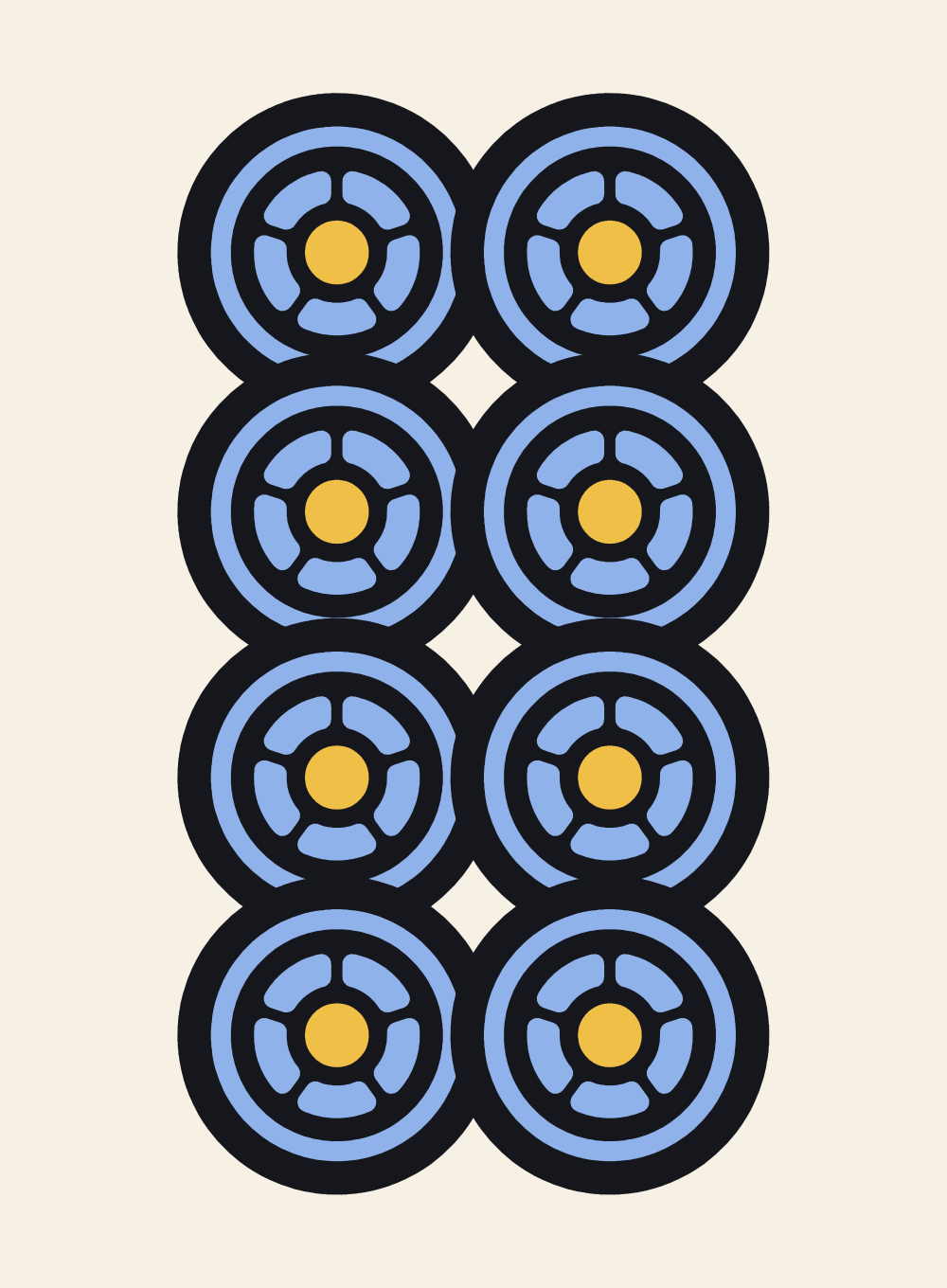
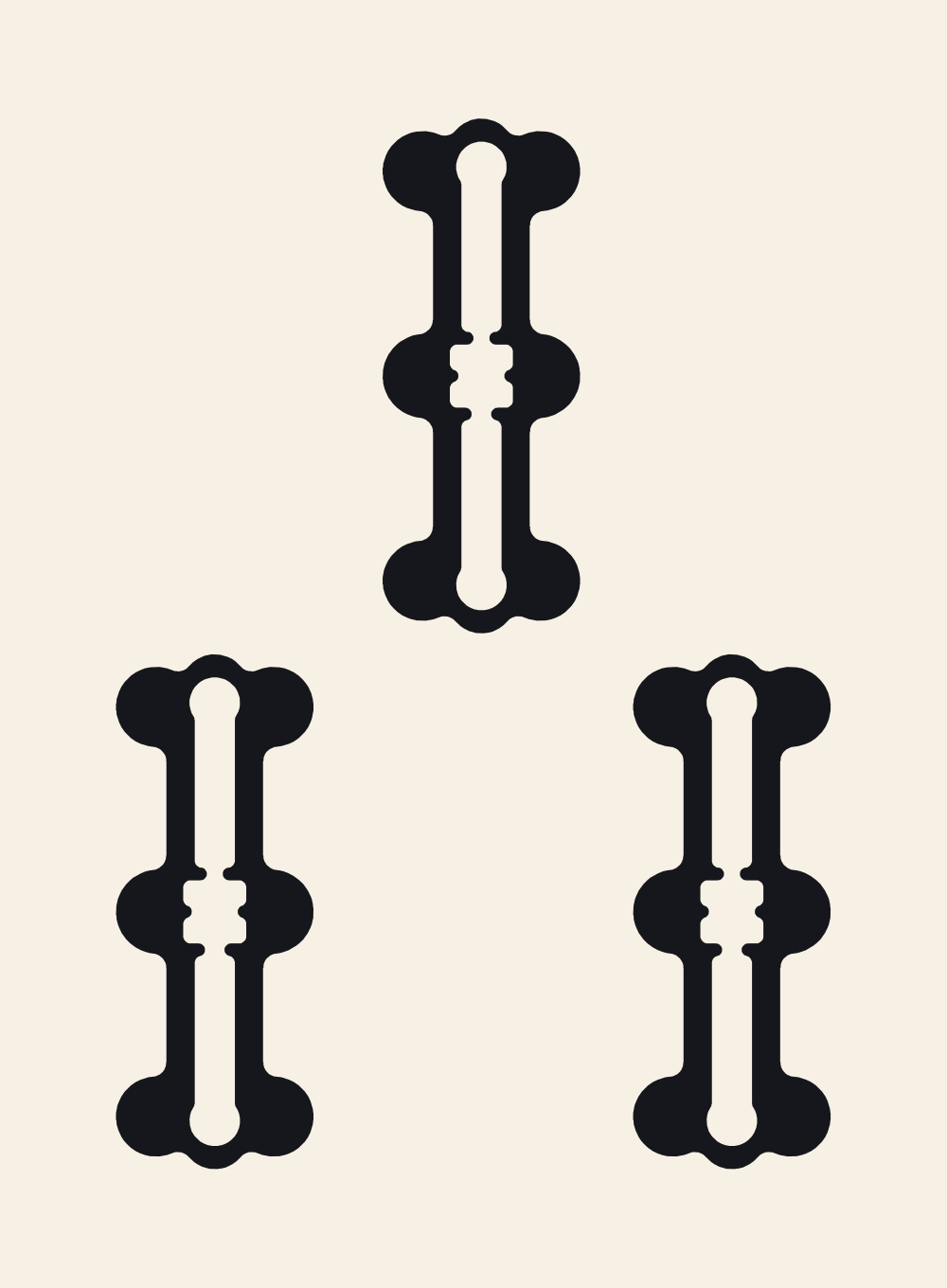
The cap of 4 matters more than it looks. This hand has five partial sets and a pair, but only four partial sets fit beside the pair, so the fifth doesn't lower the count:
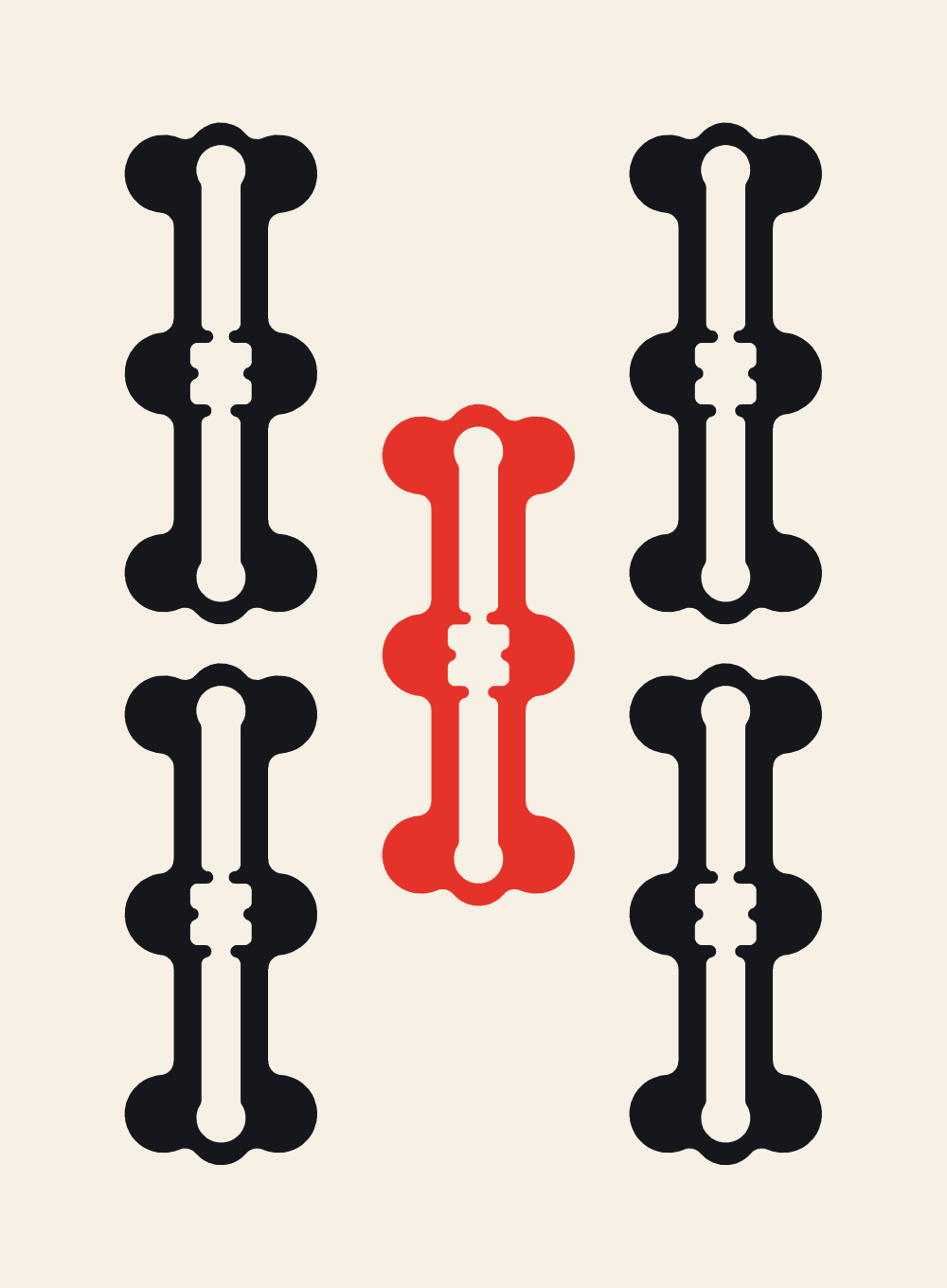
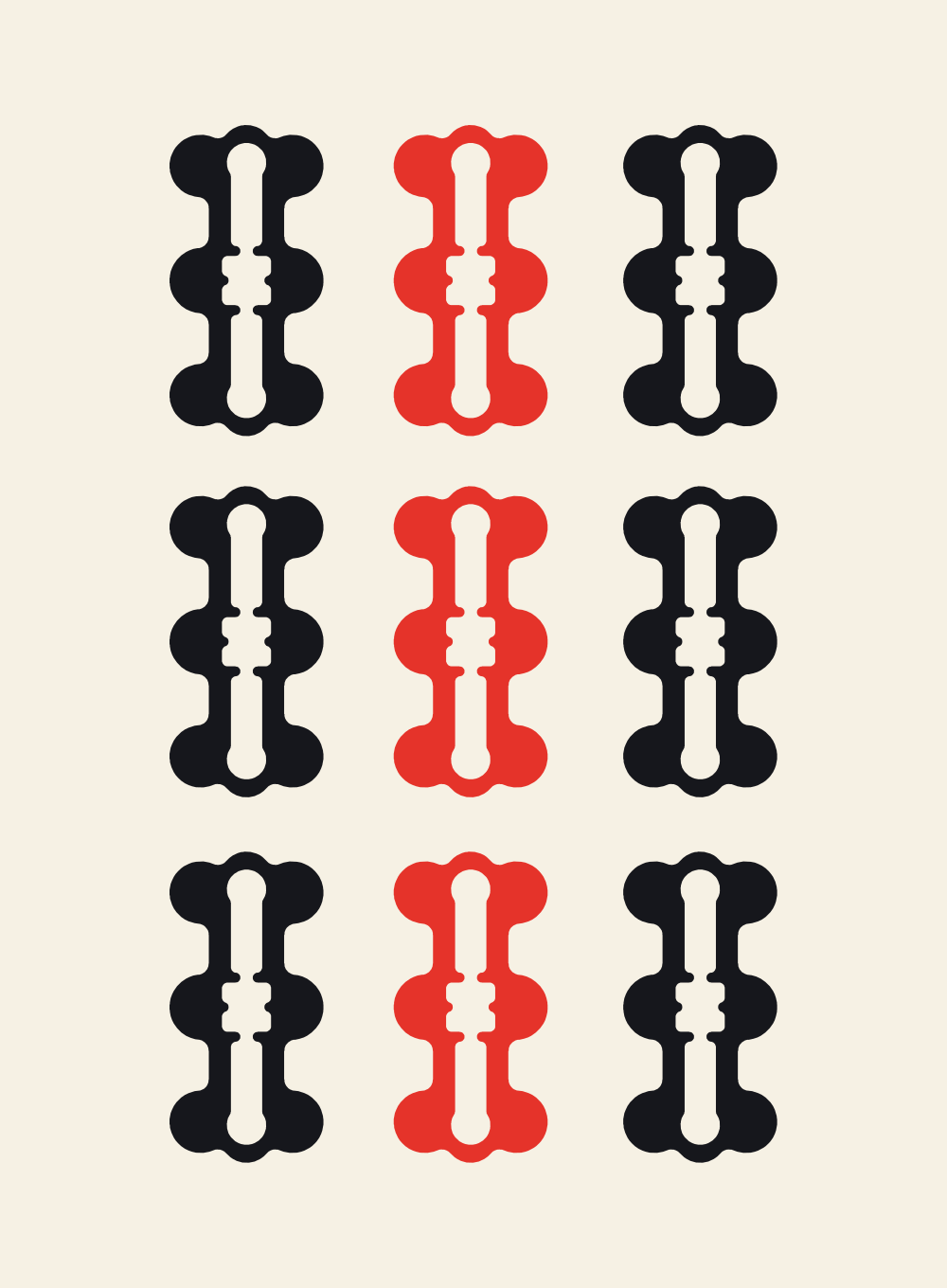
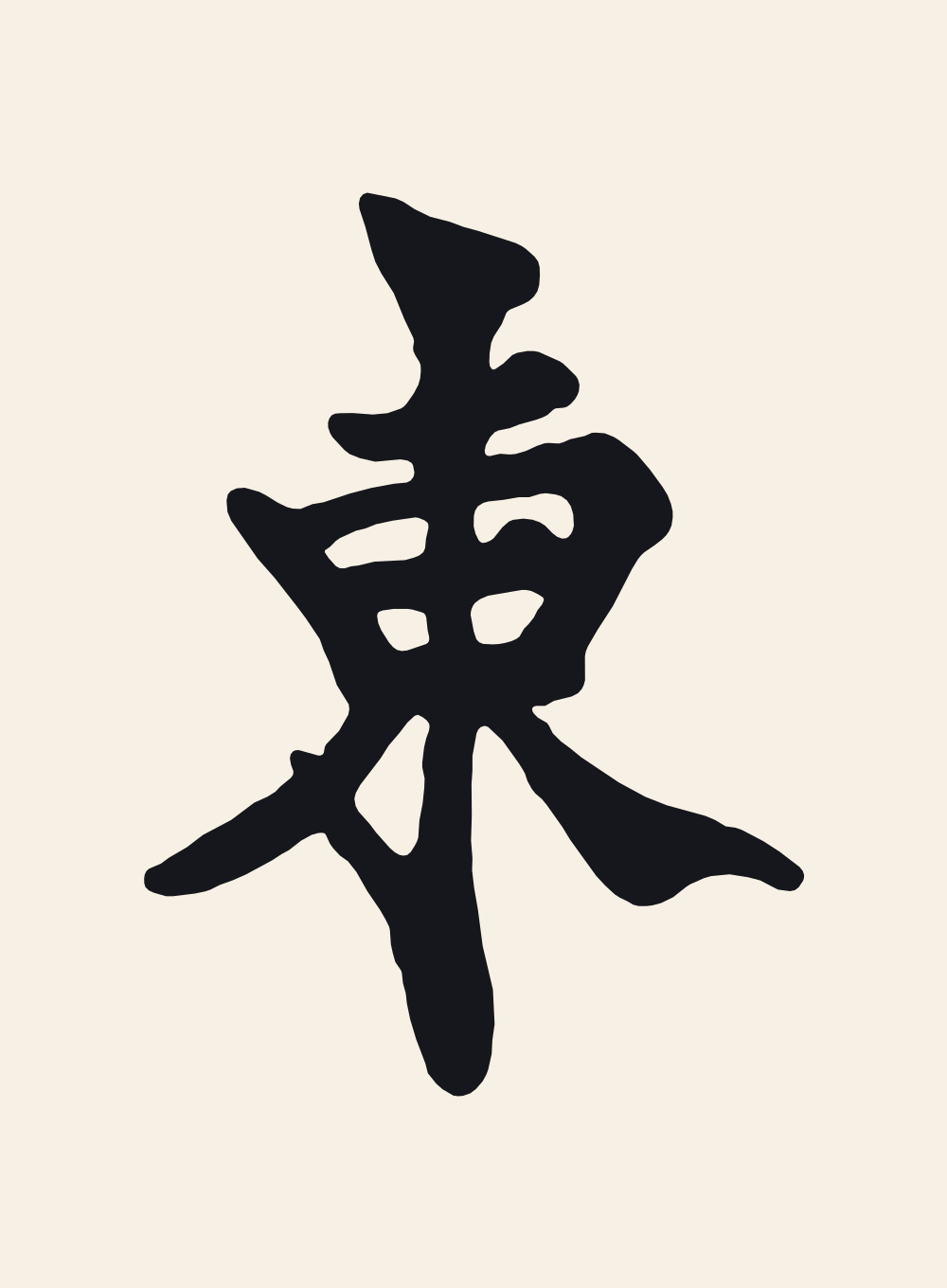
| Block | Tiles | Takes off |
|---|---|---|
| Sets | none | 0 × 2 = 0 |
| Partial sets | | 4 (only 4 count) |
| Pair | | 1 |
| Loose | | 0 |
| Shanten | 8 − 0 − 4 − 1 | 3-shanten |
Swap that fifth partial set for two loose honors, 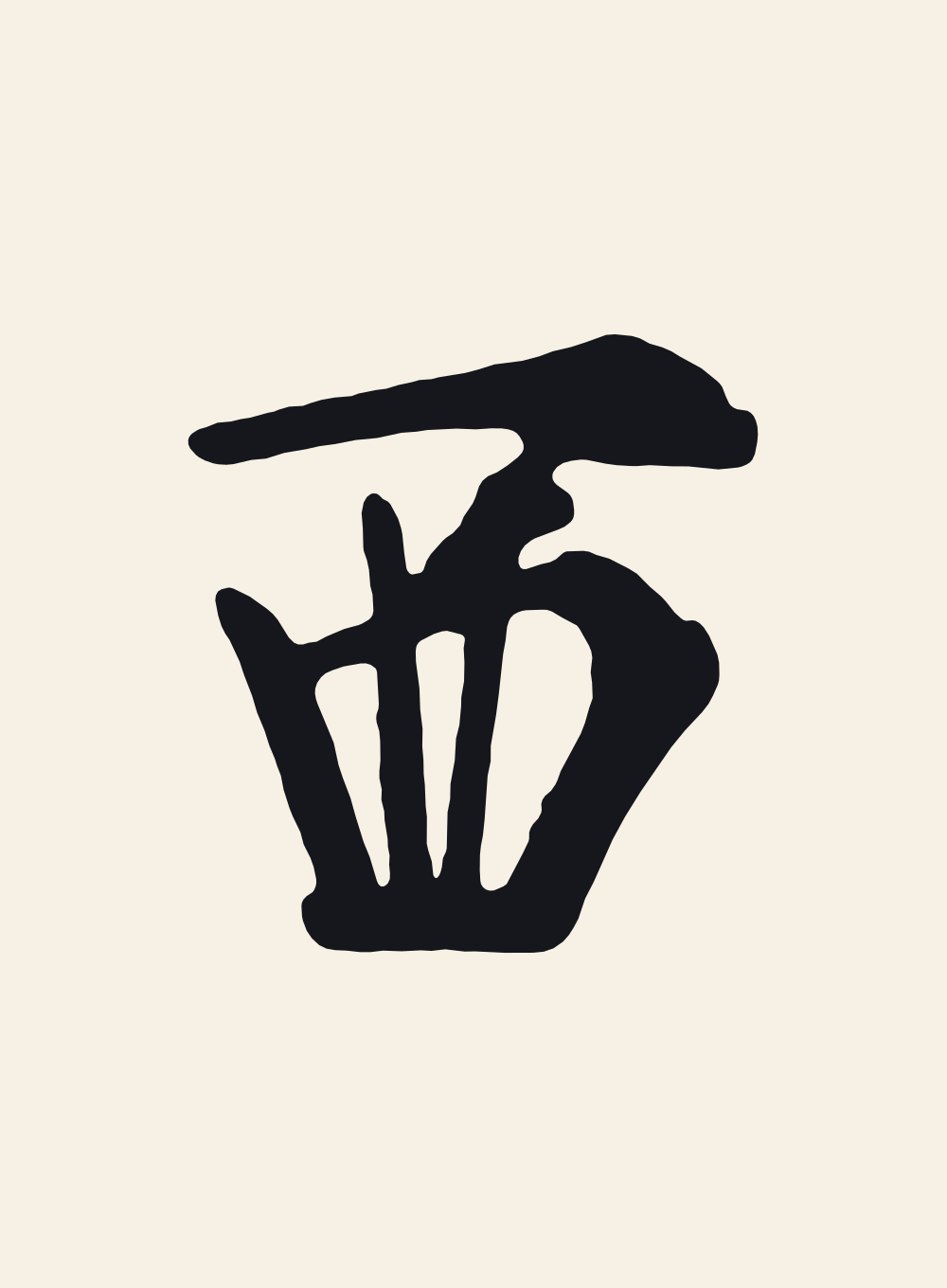 , and the hand is still 3-shanten. The extra block isn't wasted, though. It changes how many tiles help: 28 with five partial sets against 16 with four. That's the idea behind the five-block rule: keep a spare block until you have to choose.
Don't forget the pair
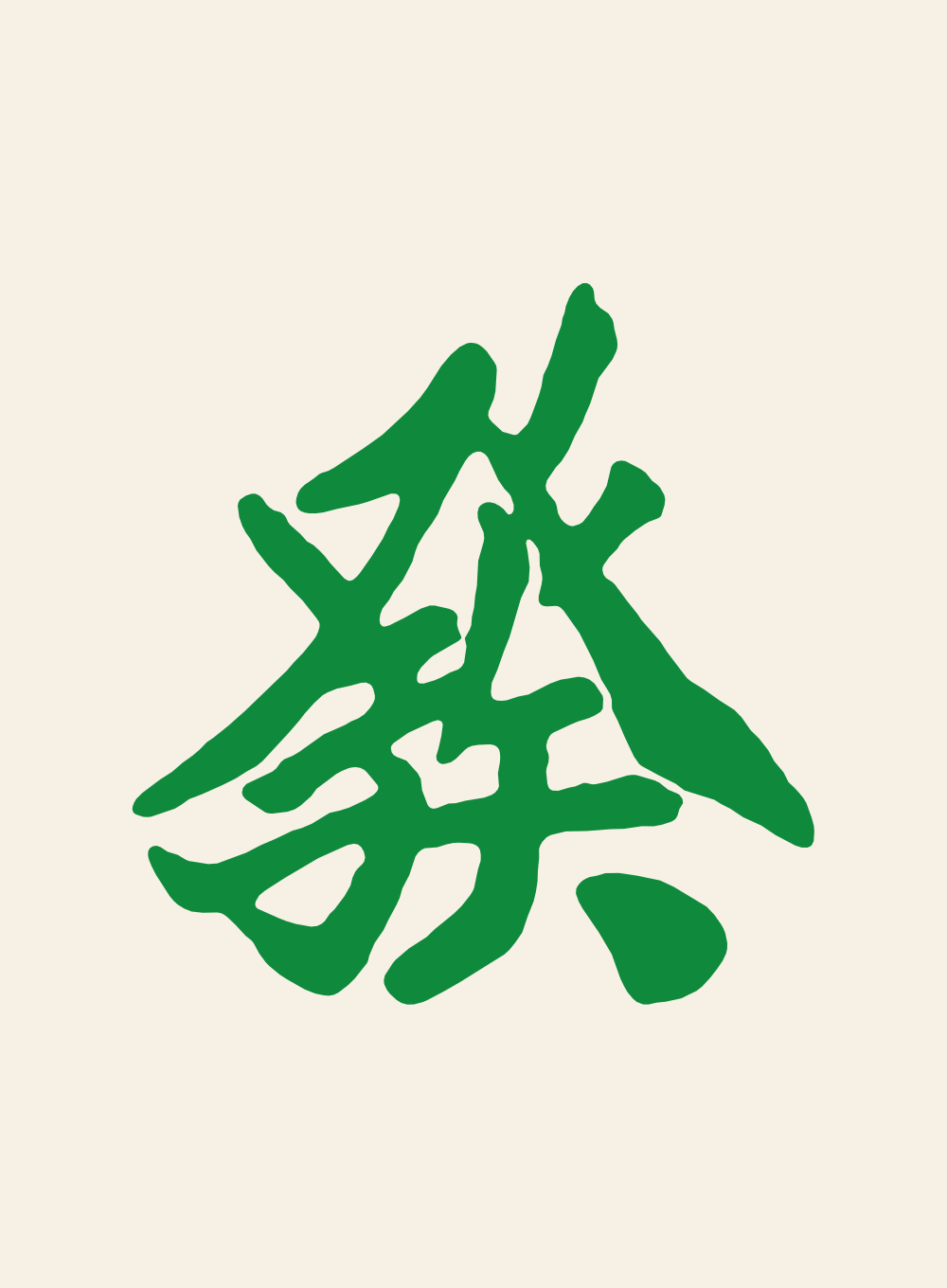
The pair is worth 1, the same as a partial set, and a hand with no pair can be closer than it feels. Three sets, one partial set and no pair:
| Block | Tiles | Takes off |
|---|---|---|
| Sets | | 3 × 2 = 6 |
| Partial sets | | 1 |
| Pair | none | 0 |
| Loose | | 0 |
| Shanten | 8 − 6 − 1 − 0 | 1-shanten |
Draw a or to make a pair and you're tenpai on or . Draw the or first and you're tenpai too, waiting on a single honor to pair up. Either way, one useful tile.
Seven pairs and thirteen orphans
Two yaku don't use four sets and a pair, so they have their own counts. Both need a closed hand.
- Seven pairs: 6 minus the number of pairs. Four of a kind only counts as one pair.
- Thirteen orphans: 13 minus the number of different terminals and honors you hold, minus 1 more if one of them is a pair.
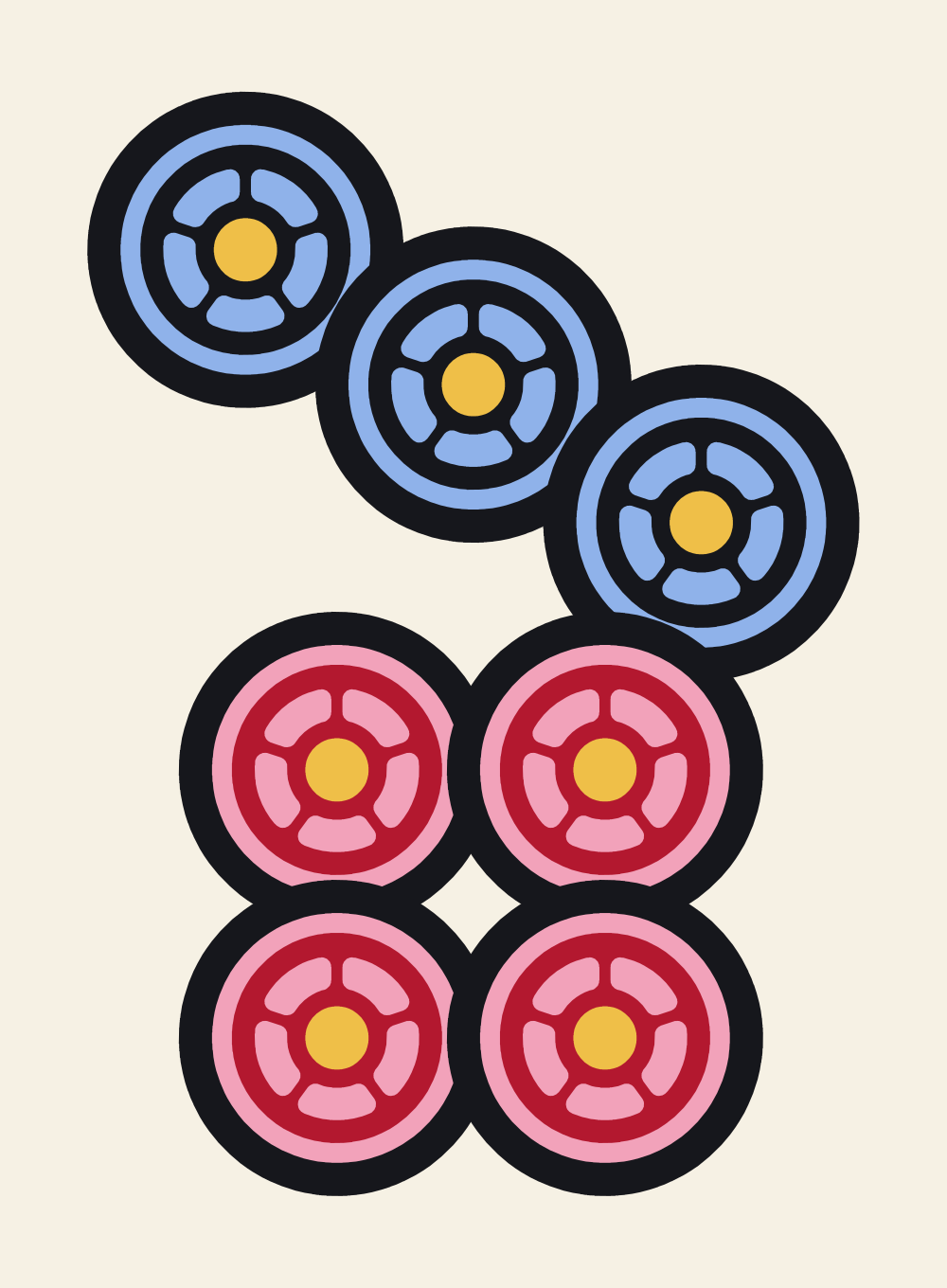
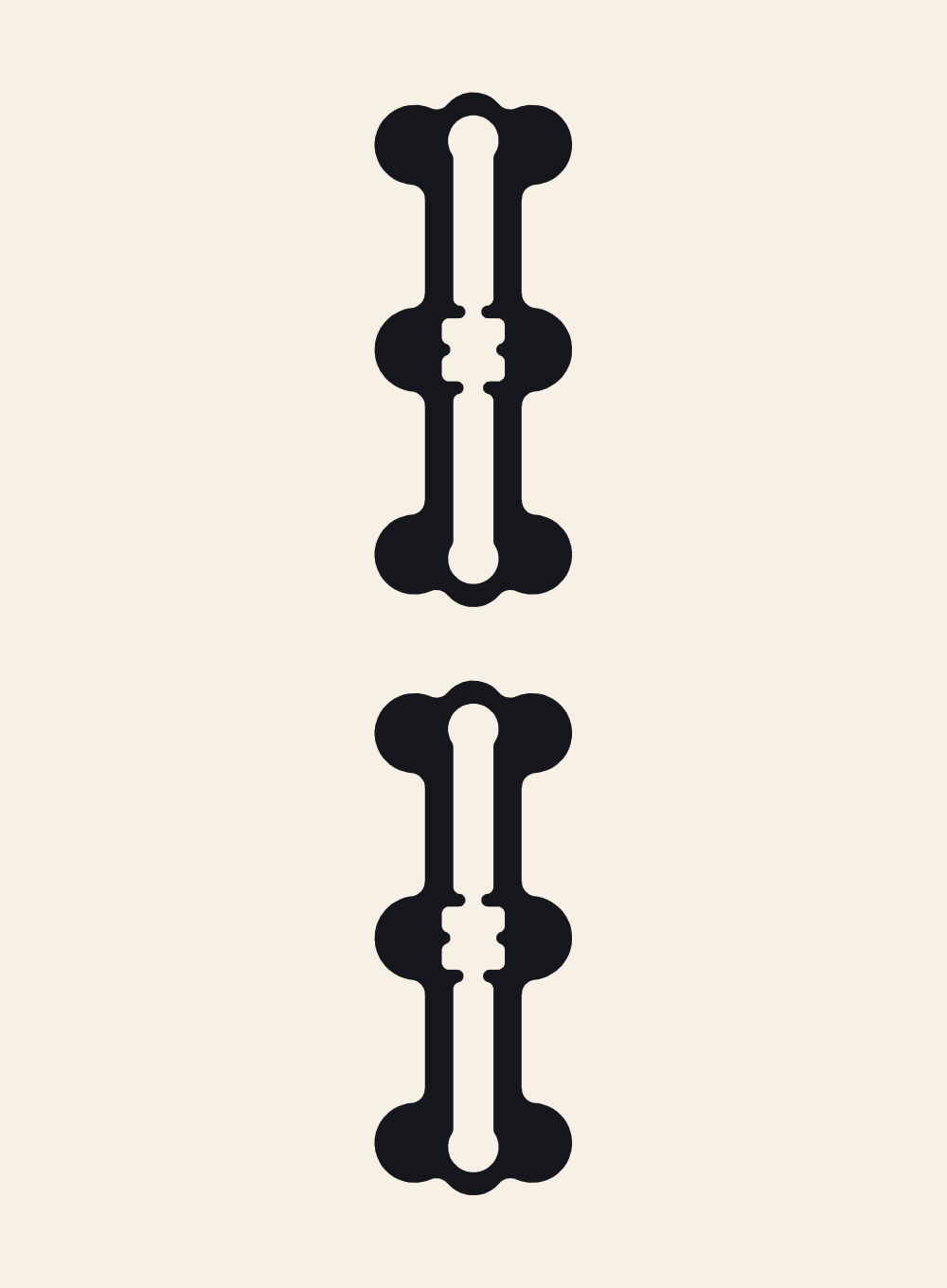
Your shanten is the lowest of the three counts. Five pairs make this hand 1-shanten for seven pairs, even though as four sets and a pair it's 3-shanten:
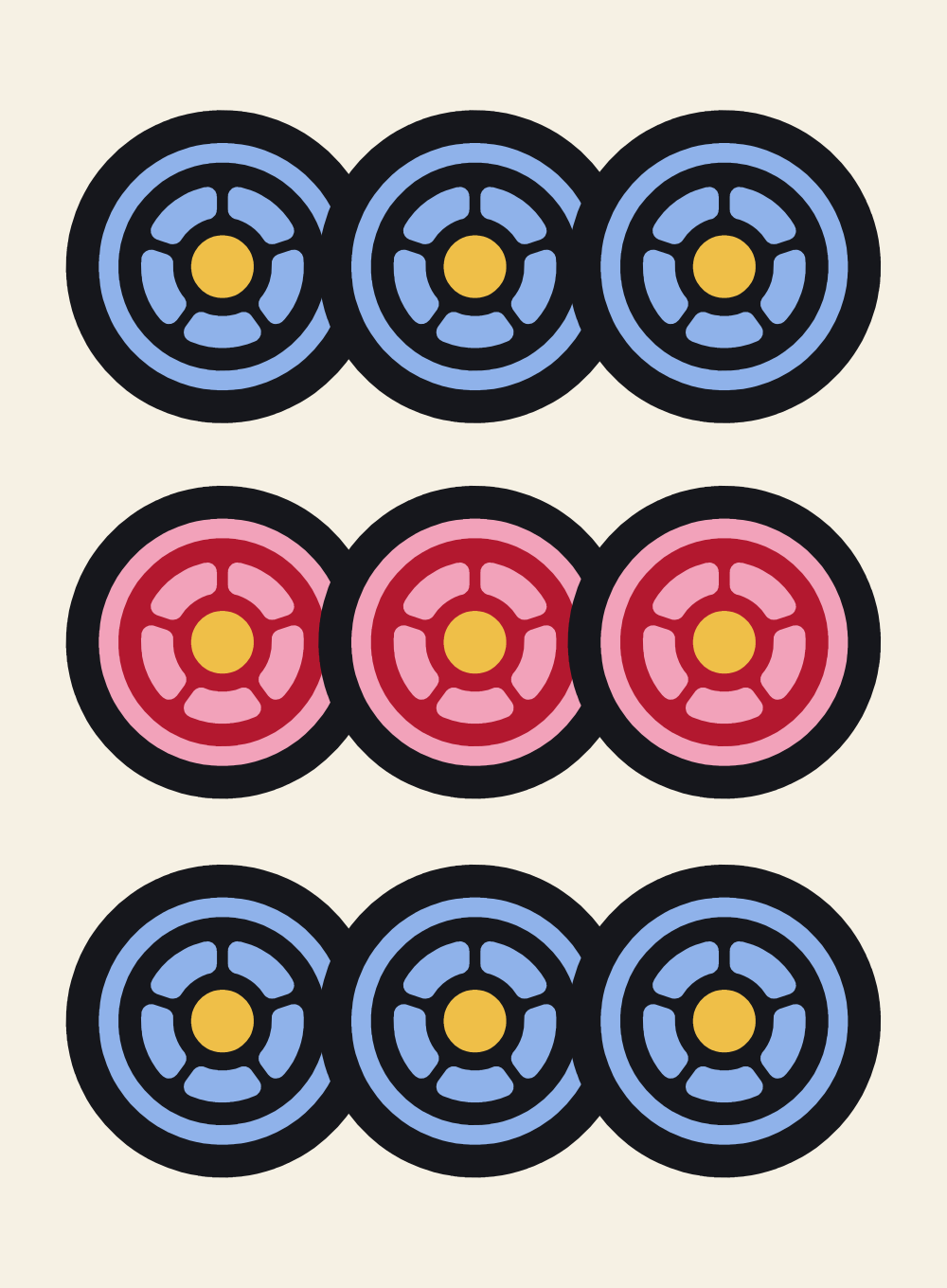
And ten different terminals and honors with a pair make this one 2-shanten for thirteen orphans, against 7-shanten the normal way:

Same shanten, different speed
Shanten says how many good draws you need, not how likely they are. Two 1-shanten hands can be miles apart: one might accept 20 tiles and the other 6. That count is ukeire, and with twice the tiles you're about twice as likely to improve on any draw.
So read shanten first, then ukeire. Never throw a tile that raises your shanten without a reason, and among the discards that keep it, pick the one that leaves the most tiles that help. Once you're close, also look at the wait you'd end up with: a two-sided wait beats a middle or edge one. The tile efficiency guide picks it up from here.
Shanten in Mahjong Sushi
In the game, the panel above your hand shows your shanten and how many tiles would improve it. When you're tenpai, it shows your waits and how many of each are left. Hover a tile before discarding to preview what you'd have without it. Turn it on or off with Shanten and waits in the settings. After each hand, the hand review points out any discard that set you back a step. The daily puzzle ranks every discard by the same two numbers.
More strategy
Ready for a hand?
Sit down at the table against three bots. It runs in your browser, saves your progress, and teaches you as you play.
Play Mahjong Sushi