Tile encyclopedia · Dots
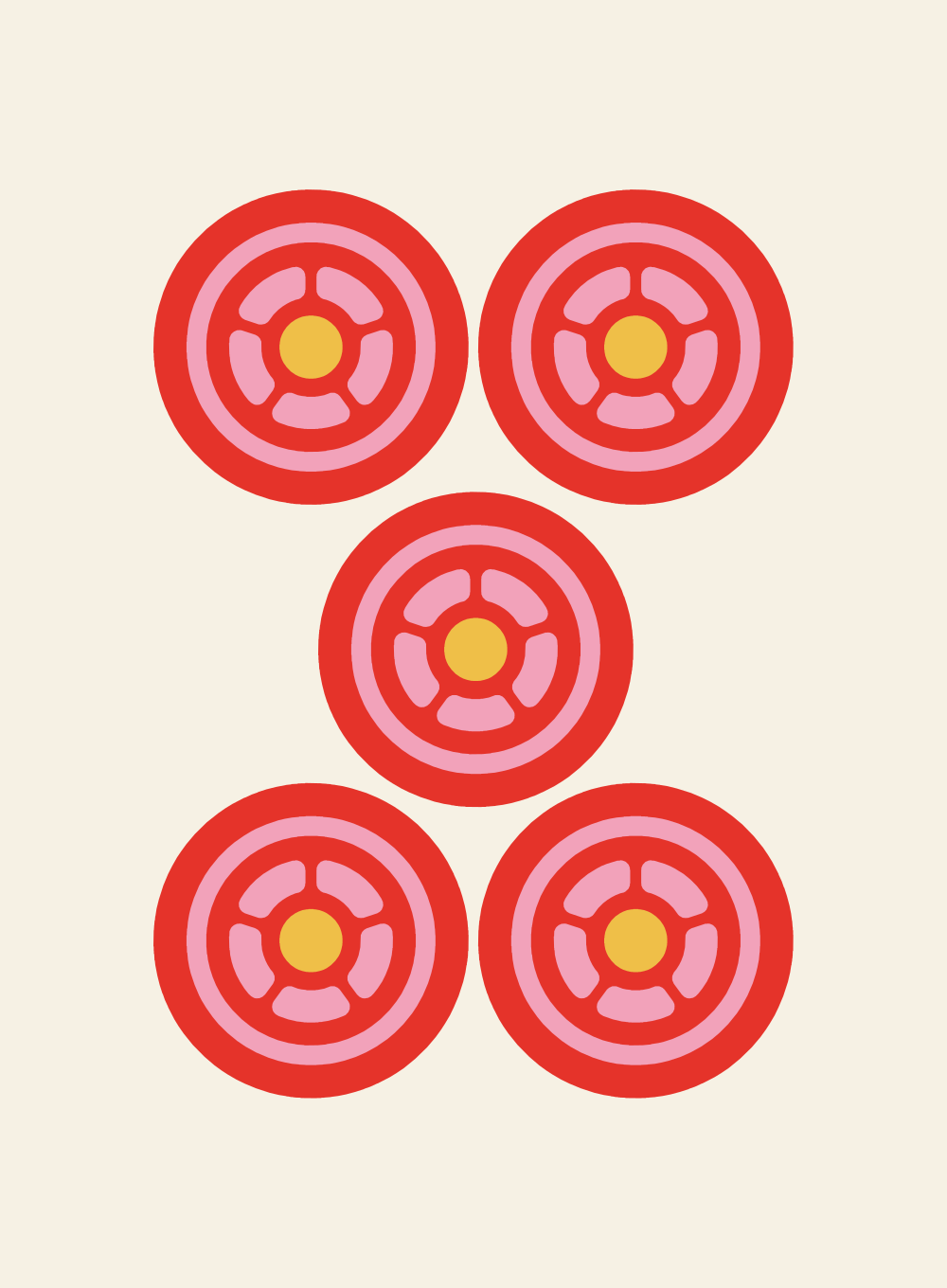
Red 5 Dots
赤五筒アカウーピン · aka uupin
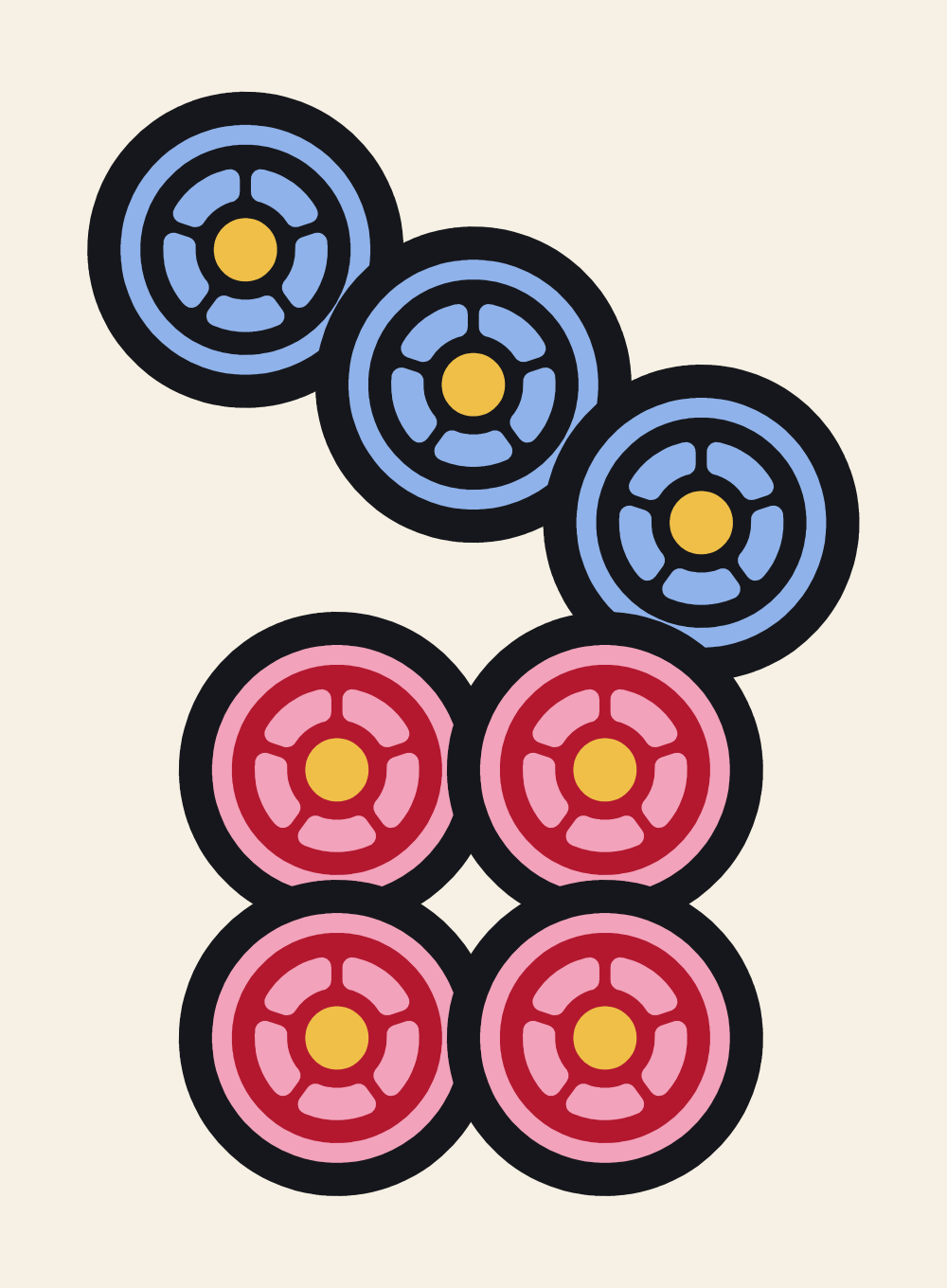
The 5 of dots with every coin red.
- Suit
- Dots 筒子 pinzu
- Type
- Simple
- Notation
0p- In the set
- 1 of the 4 fives in its suit
- Unicode
- U+1F01D, as the 5
Did you know
- The first red tile. An Osaka tile maker made two red 5s of dots for the 1964 Tokyo Olympics; an older story put them at the 1970 Osaka Expo.1
- Kansai-style rules use two red 5s of dots. Mahjong Soul and Mahjong Sushi use one per suit, three in all.12
- Each red five in a winning hand adds 1 han, like a dora. See aka dora.
At the table
- It fits in three sequences, the most any tile can.
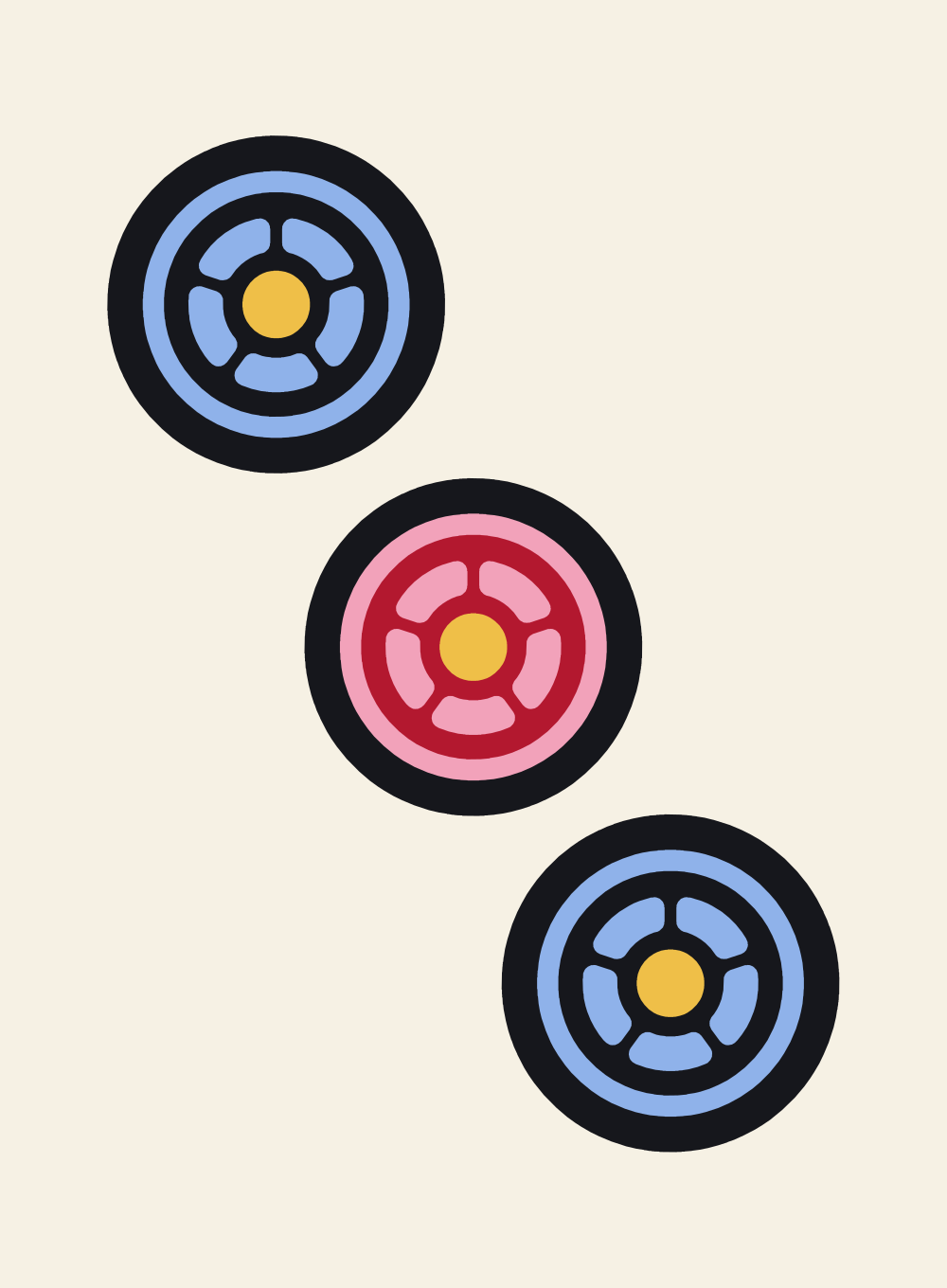
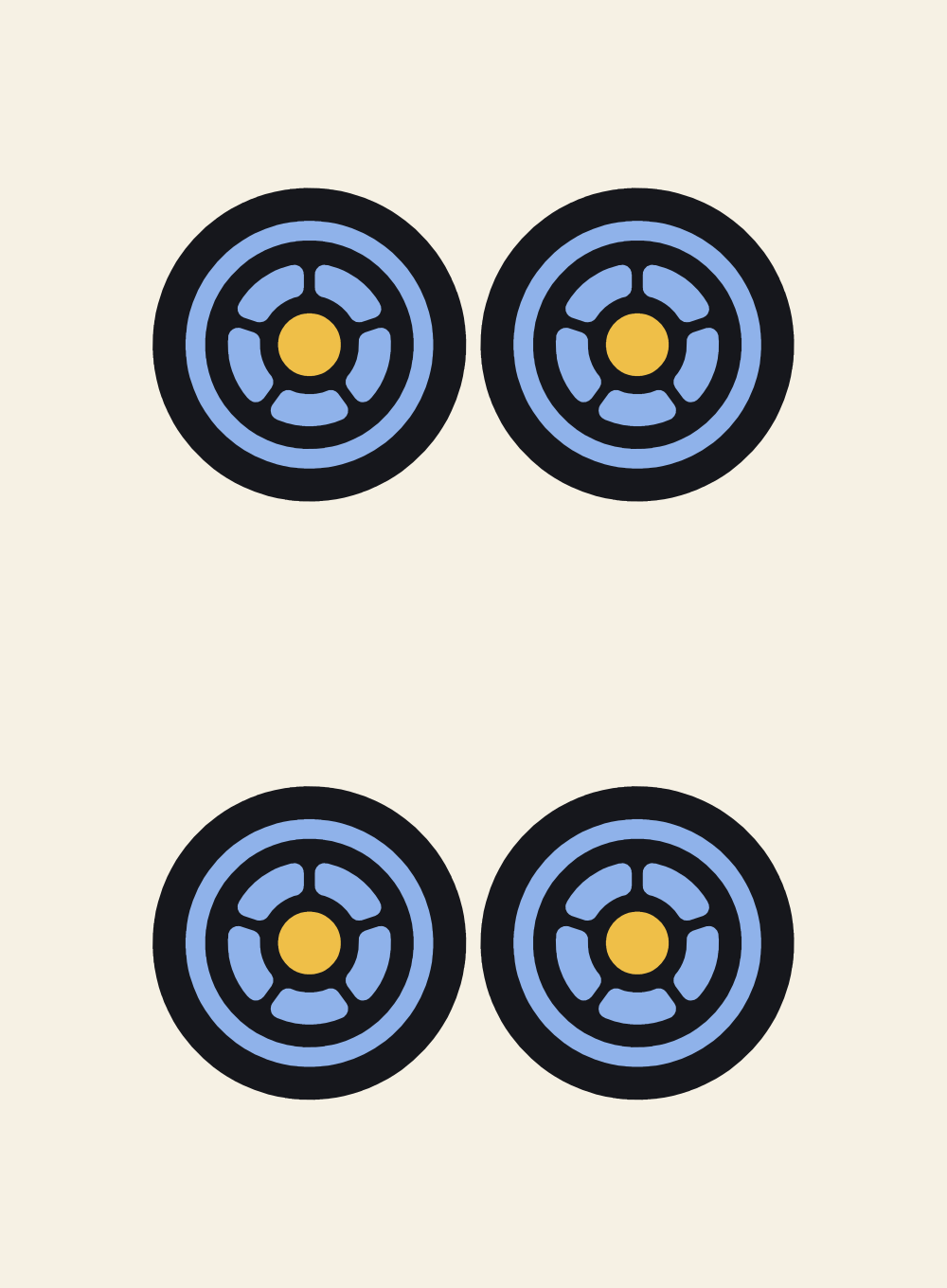
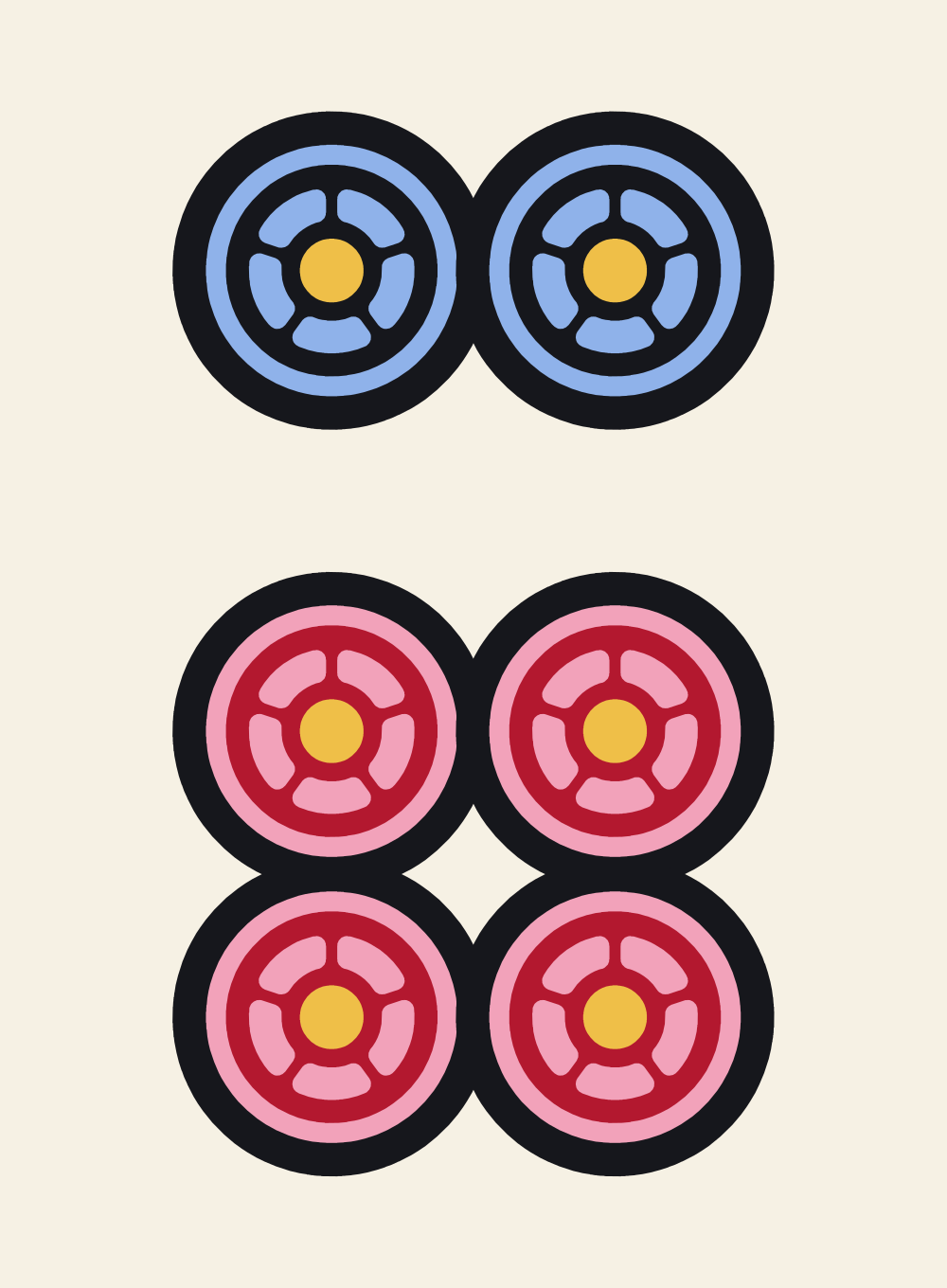
- It is suji to the 2 and 8: once an opponent has discarded
 and
and 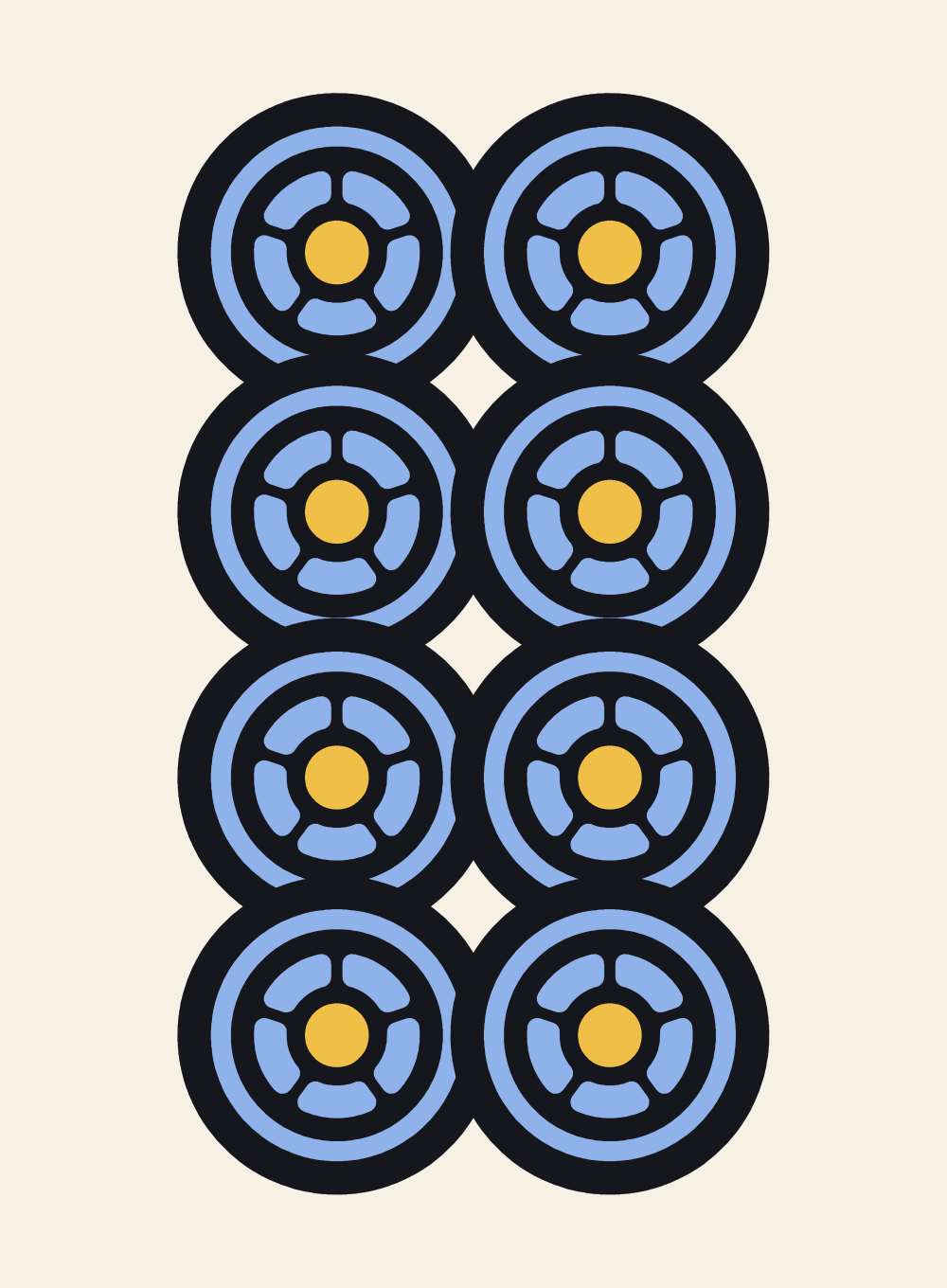 , a two-sided wait on the 5 would leave them furiten, which makes it a safer discard against them.
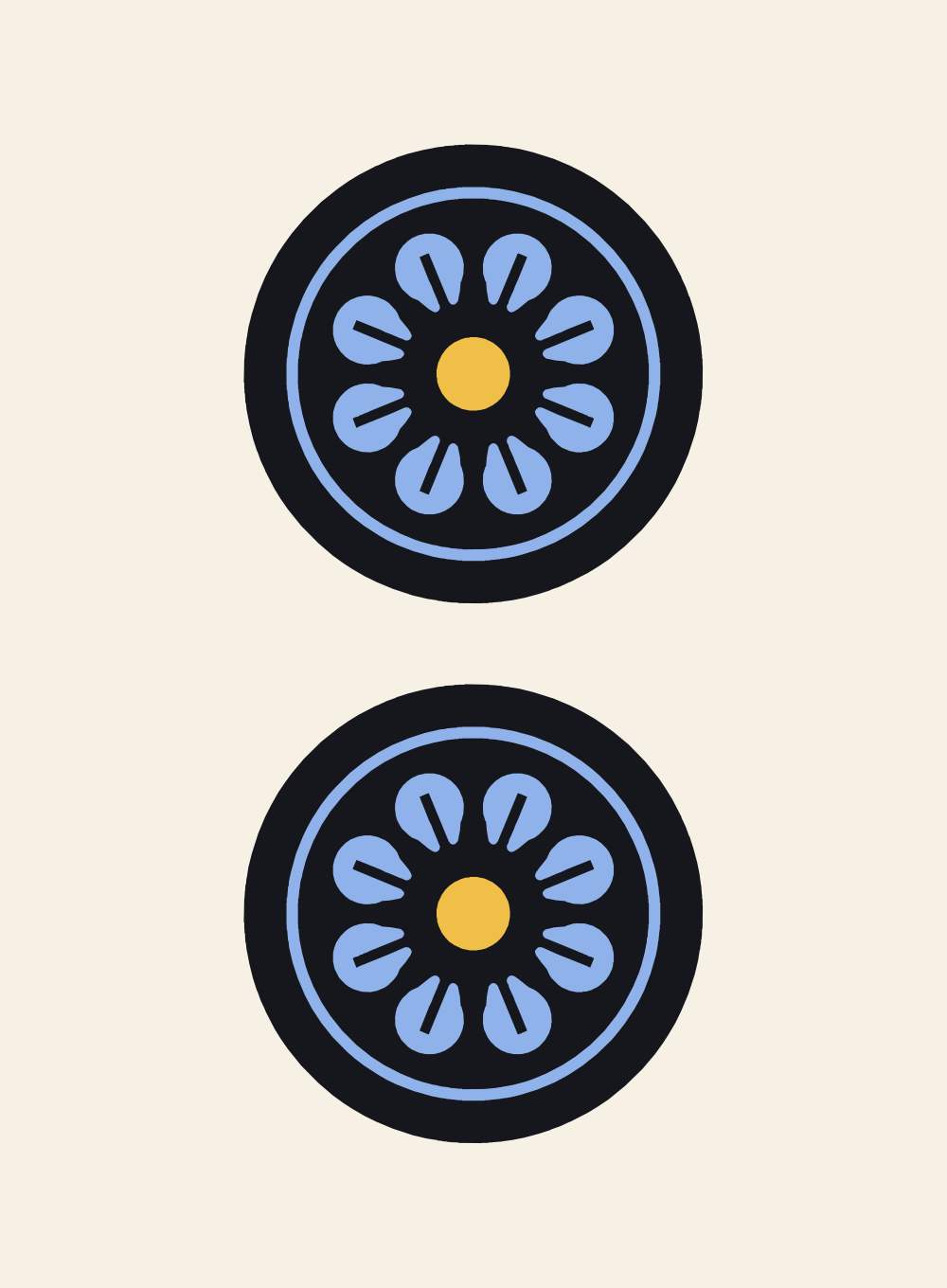
 - It is dora when is the dora indicator. Turned up as the indicator itself, it makes dora.
Yaku it can help
- Aka Dora each red five adds 1 han
- Tanyao simples only
- Chinitsu one suit only
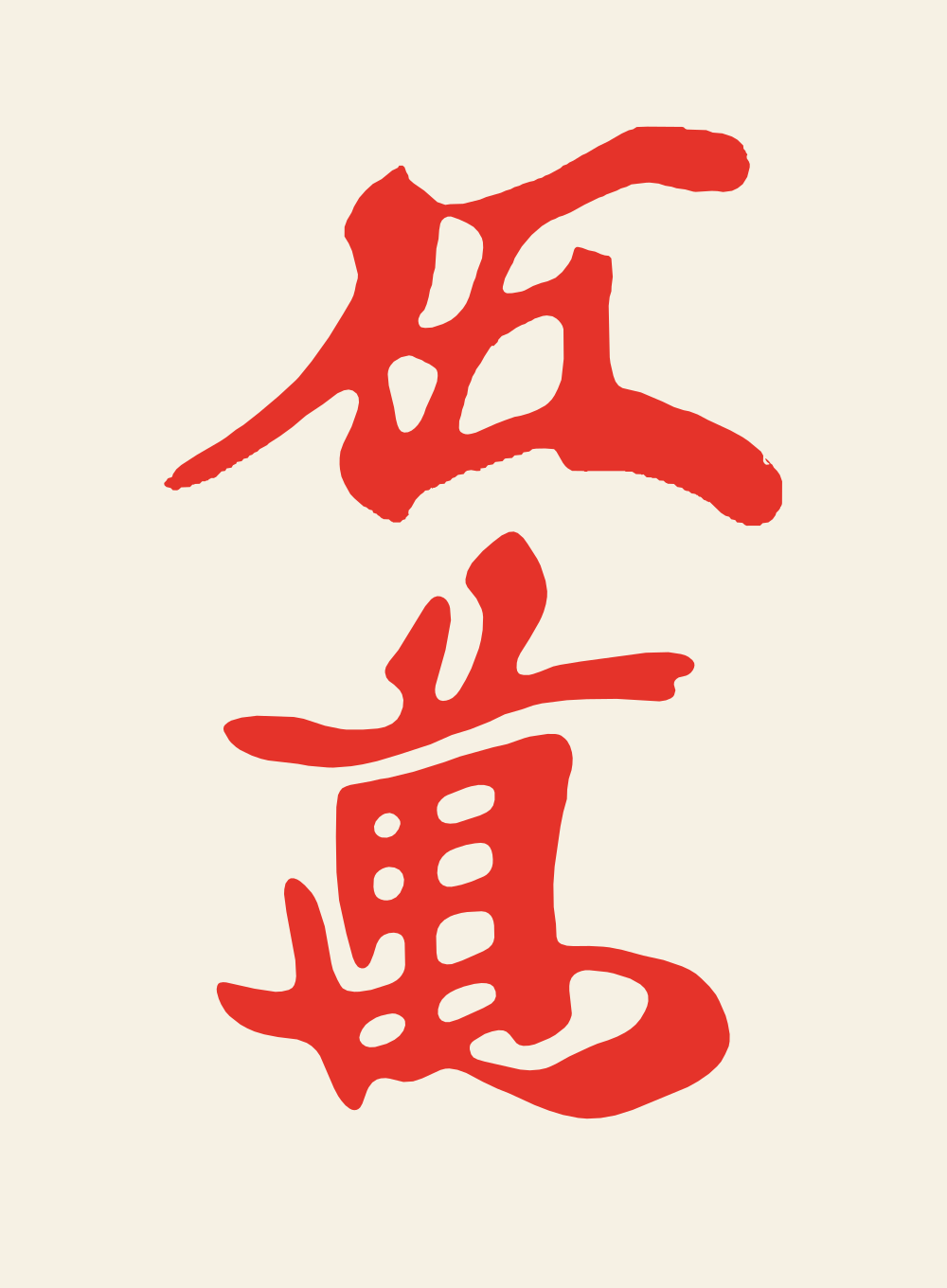
- Chuuren Poutou the nine gates, all in one suit
Where the dots come from
Each dot is a coin: a round copper cash with a square hole, the everyday money of imperial China, straight from the coin suit of the money cards mahjong grew out of. A minority theory has them as the end of a gun barrel instead.34
Its Chinese names are 筒子 tǒngzi, "barrels", and 餅子 bǐngzi, "cakes". Japanese players first read 筒子 as tonzu; the pinzu they say now survives from the cakes. English speakers call the suit dots, circles or coins.32
The red fives
Sources
- ドラ (麻雀), Wikipedia (Japanese) Japanese
- 麻雀牌, Wikipedia (Japanese) Japanese
- Mahjong tiles, Wikipedia
- 麻雀牌, Wikipedia (Chinese) Chinese
Play with it
Every tile in Mahjong Sushi is carved and lit in 3D like this one. Hover the red 5 dots at the table for its name and value.
Play Mahjong Sushi