Tile encyclopedia · Bamboo
8 Bamboo
八索パーソー · paasou
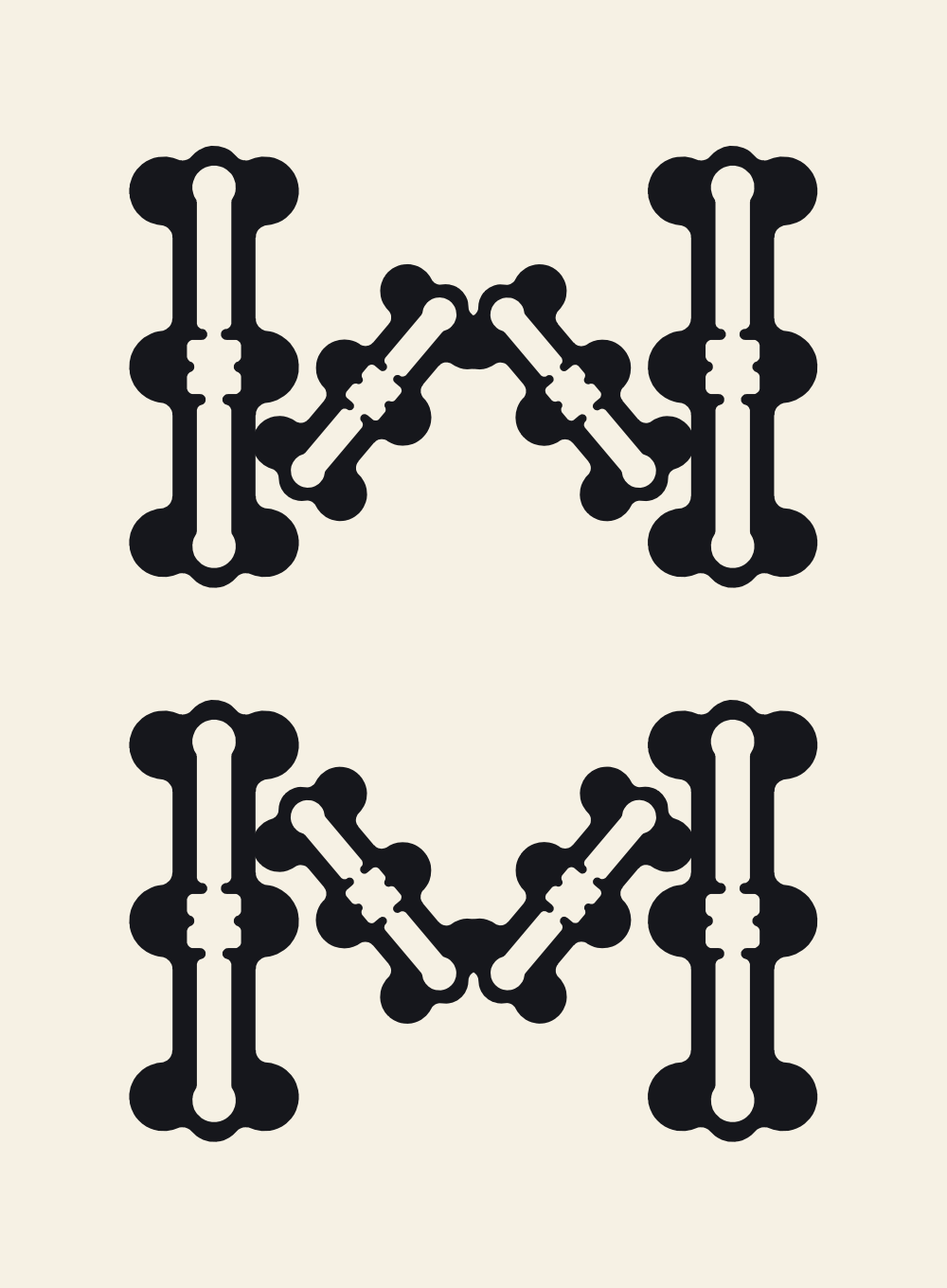
Eight sticks drawn as a W over an M, the most unusual layout in the suit.
- Suit
- Bamboo 索子 souzu
- Type
- Simple
- Notation
8s- In the set
- 4
- Unicode
- U+1F017
Did you know
- In the 19th century the sticks spread out in a V; by 1909 the M had arrived. Japanese sets usually put a W over an M, as here, and some reverse them or use a 米 or × instead.123
- Seen from above, some Chinese players say, it is a tank.4
- It is one of the five bamboo tiles painted with no red at all (2, 3, 4, 6 and 8), so it can go into ryuuiisou, the all-green yakuman.3
At the table
- It fits in two sequences, one fewer than the middle tiles.
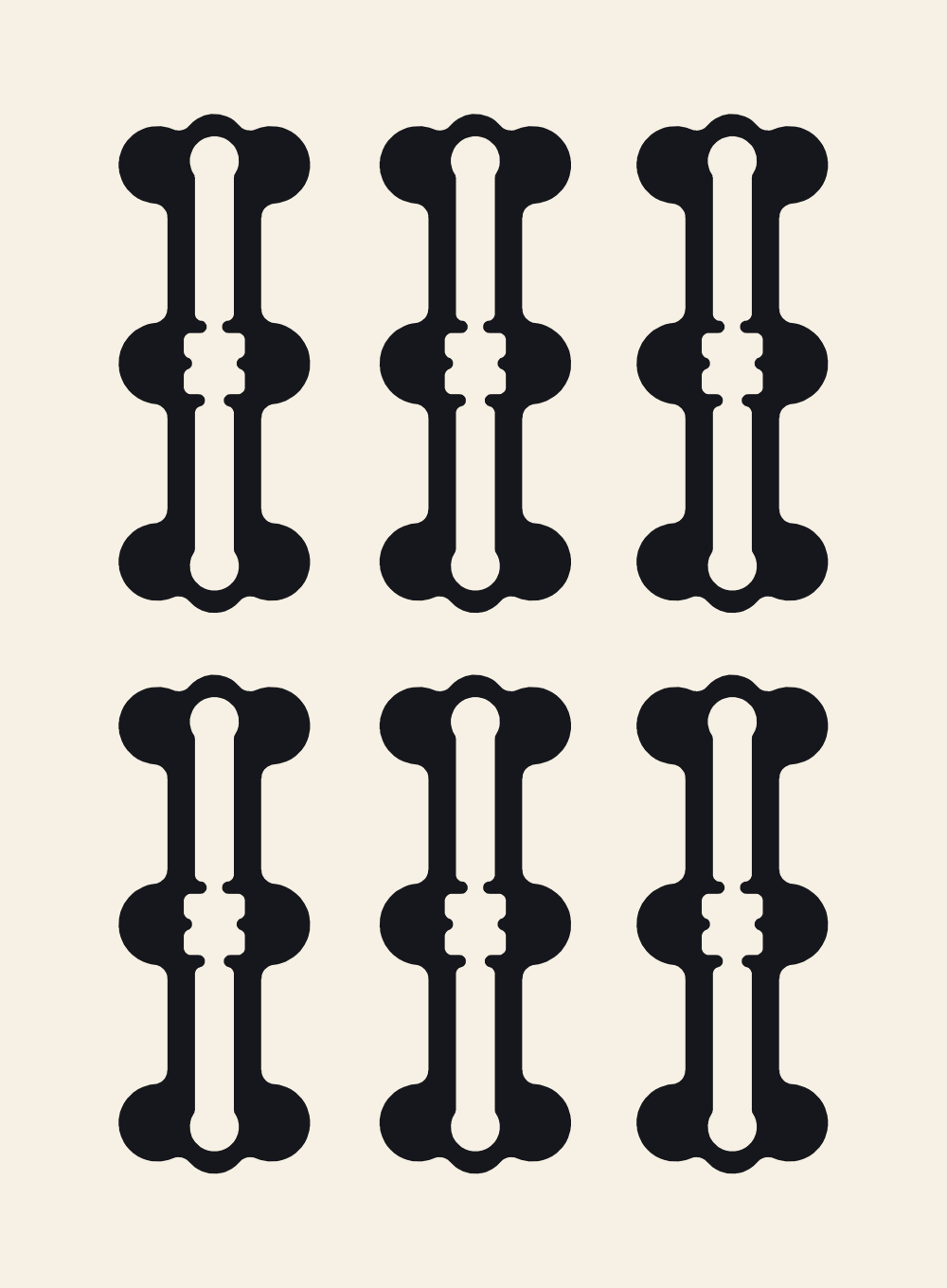
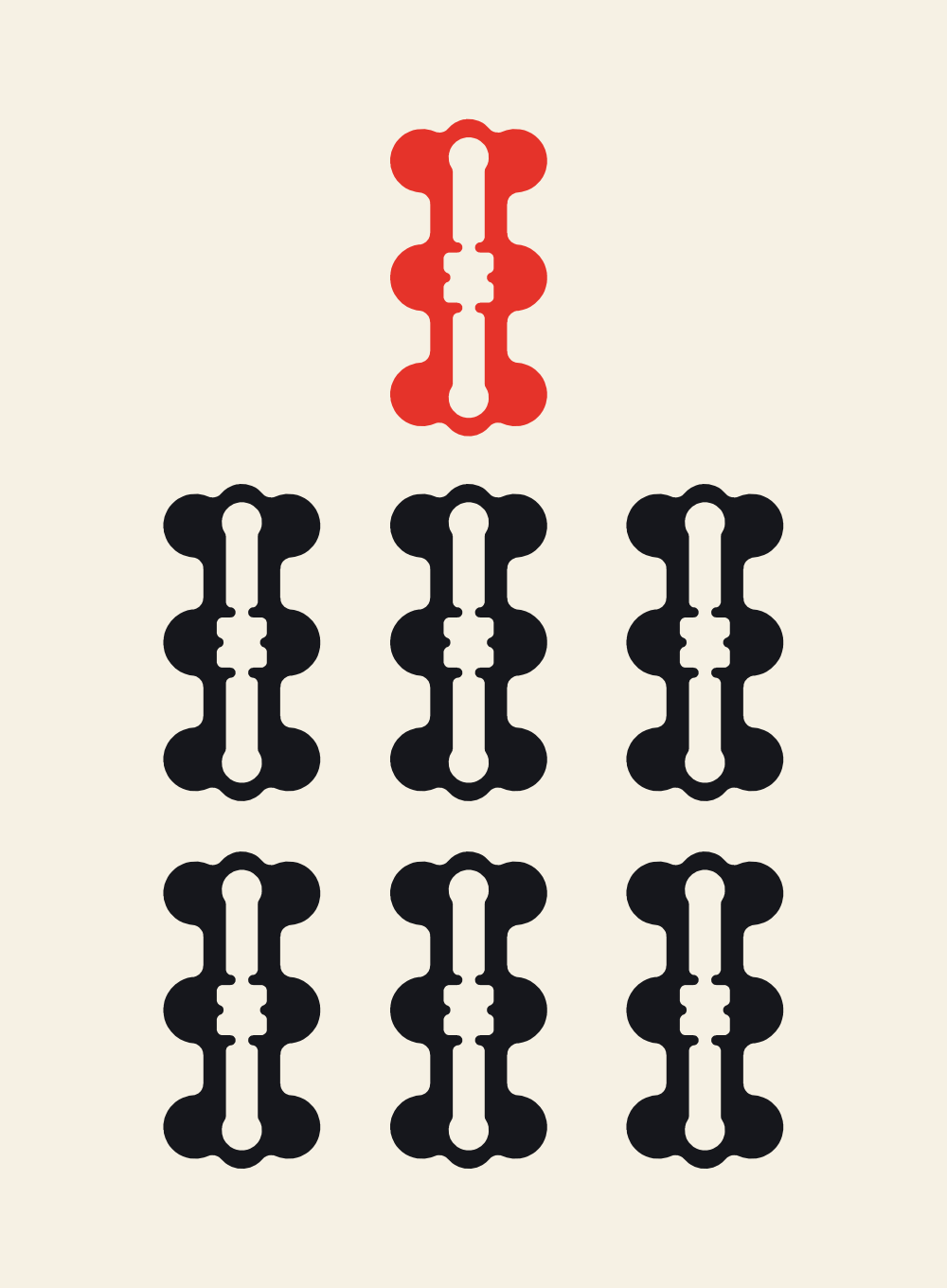
- It is suji to the 5: once an opponent has discarded
 , a two-sided wait on the 8 would leave them furiten, which makes it a safer discard against them.
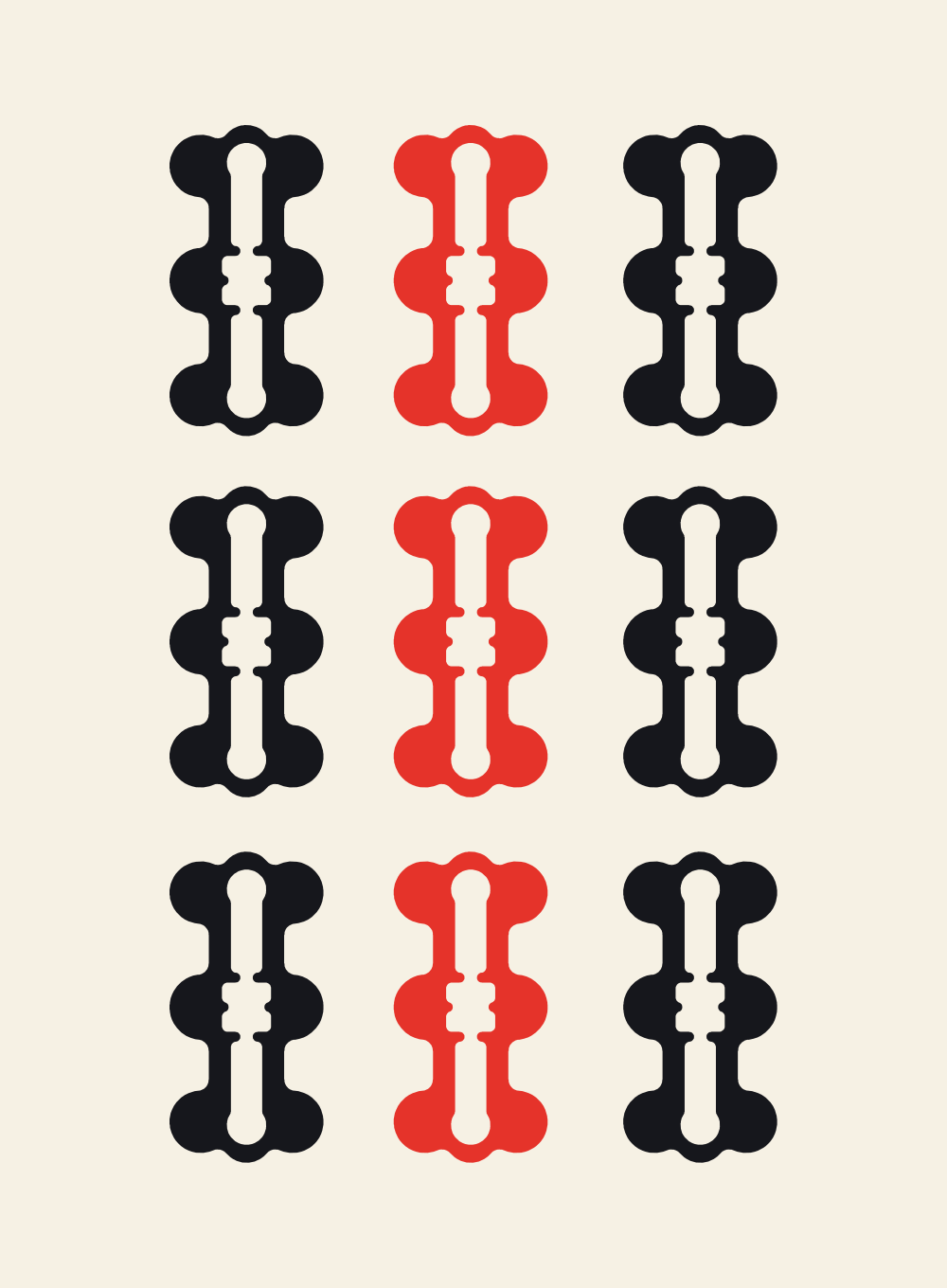
 - It is dora when is the dora indicator. Turned up as the indicator itself, it makes dora.
Yaku it can help
- Tanyao simples only
- Chinitsu one suit only
- Chuuren Poutou the nine gates, all in one suit
- Ryuuiisou the green tiles only
Where the bamboo come from
The sticks aren't bamboo. They are strings of coins: 索 means rope, and copper cash were threaded through their square holes in strings of a hundred. The bumps along each stick are the coins on the string.543
Joseph Park Babcock, whose 1920 Rules of Mah-Jongg are the earliest mahjong rules known in America, took the bumps for bamboo knots, and the English name stuck.56
The bamboo suit
Sources
- 二 一九世紀の中国麻雀牌(プロト・マージャン), p. 3: 19th-century tile designs, Japan Playing Card Museum (日本かるた文化館) Japanese
- 二 一九世紀の中国麻雀牌(プロト・マージャン), p. 7: キューリン牌 (the Culin set, Shanghai, 1909), Japan Playing Card Museum (日本かるた文化館) Japanese
- 麻雀牌, Wikipedia (Japanese) Japanese
- 麻雀牌, Wikipedia (Chinese) Chinese
- Mahjong tiles, Wikipedia
- Mahjong, Wikipedia
Play with it
Every tile in Mahjong Sushi is carved and lit in 3D like this one. Hover the 8 bamboo at the table for its name and value.
Play Mahjong Sushi