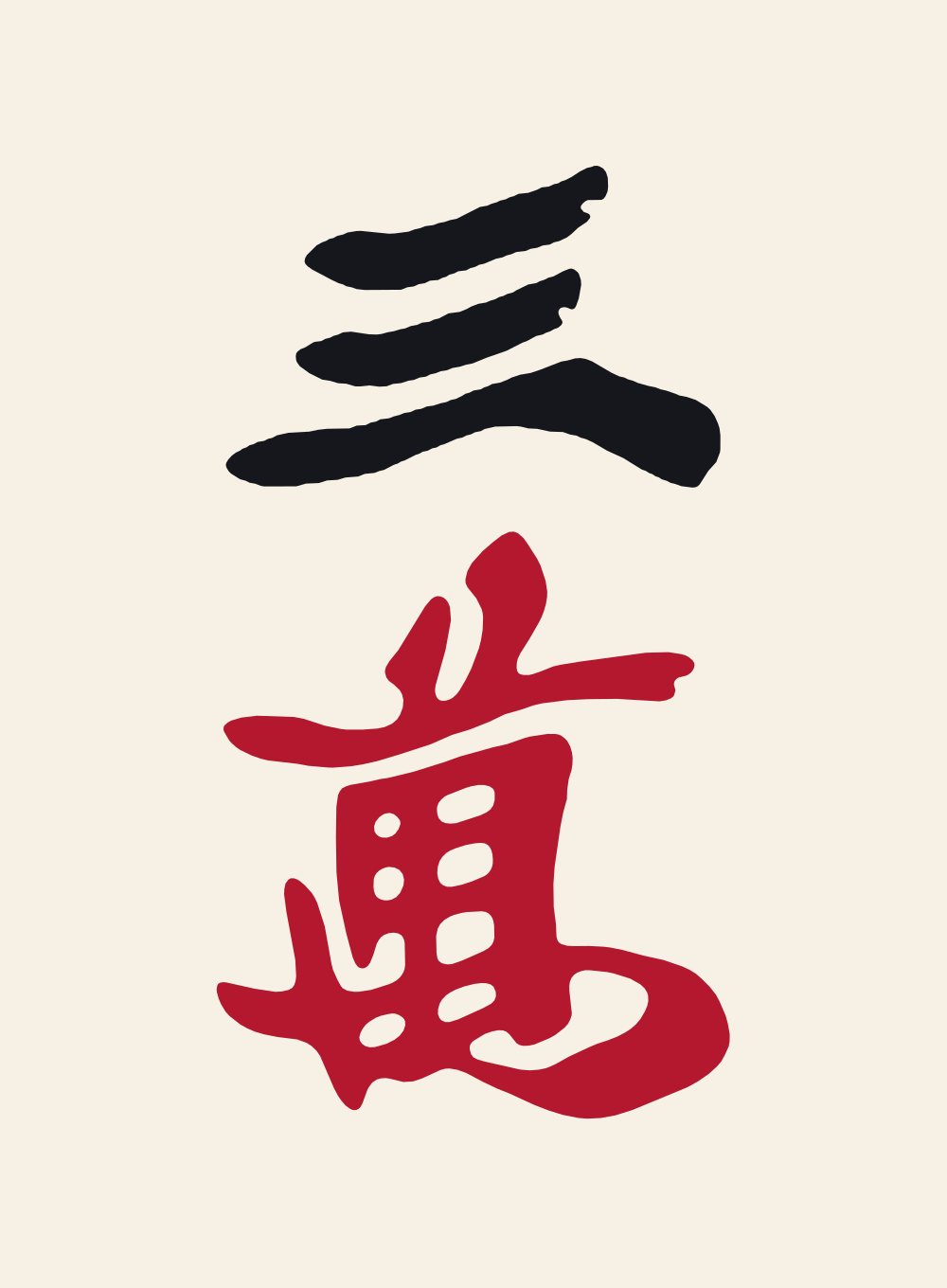
Tile encyclopedia · Characters
3 Characters
三萬サンワン · sanwan
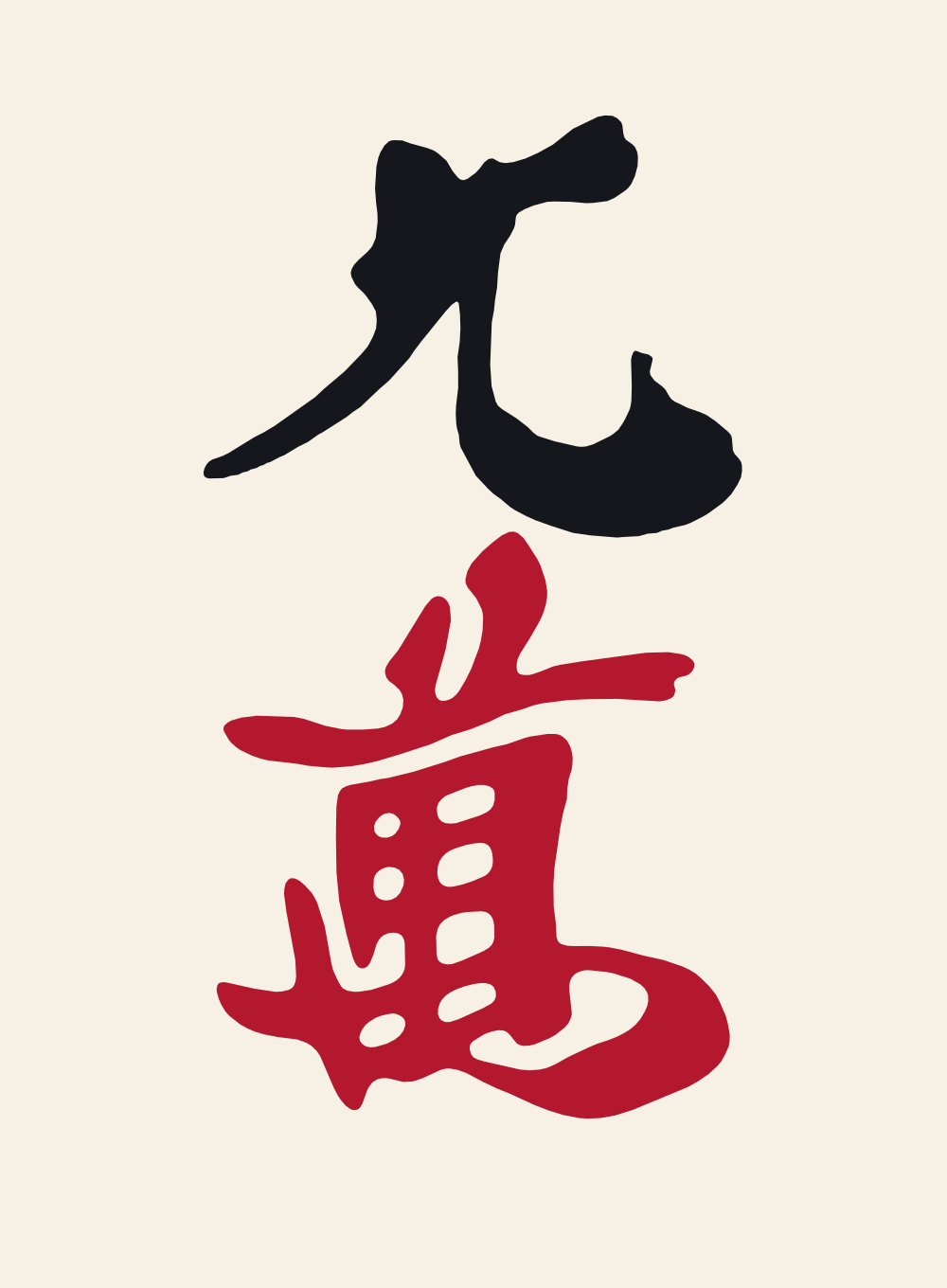
三 over 萬: thirty thousand coins.
- Suit
- Characters 萬子 manzu
- Type
- Simple
- Notation
3m- In the set
- 4
- Unicode
- U+1F009
Did you know
- San is one of only two mahjong numbers that sound like everyday Japanese; the other is kyuu, nine. The rest come from Chinese: ii, ryan, suu, uu, roo, chii, paa.
- In three-player mahjong (sanma) the 2 to 8 of characters are taken out of the set, so this tile only turns up in four-player games.1
At the table
- It fits in three sequences, the most any tile can.
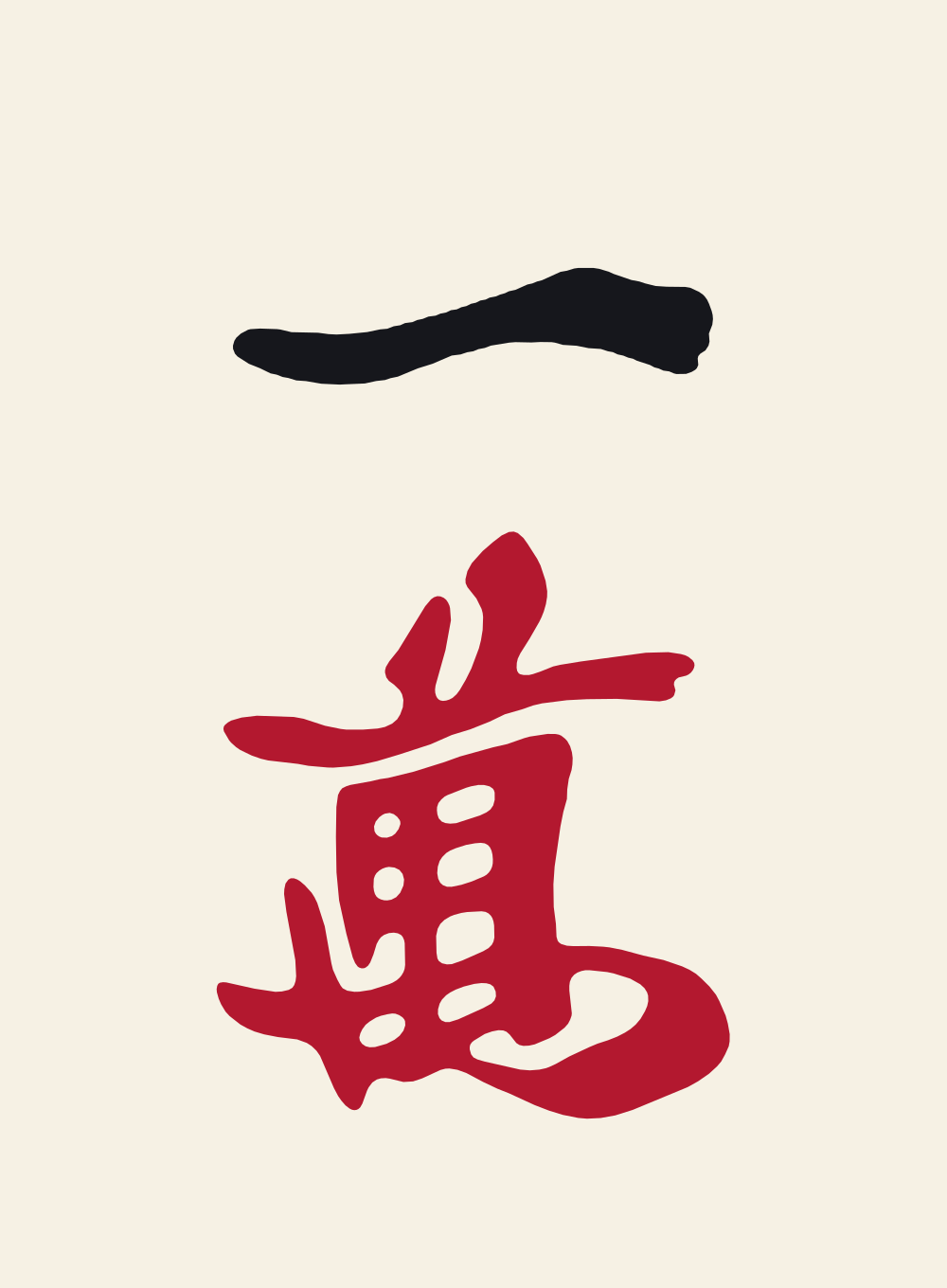
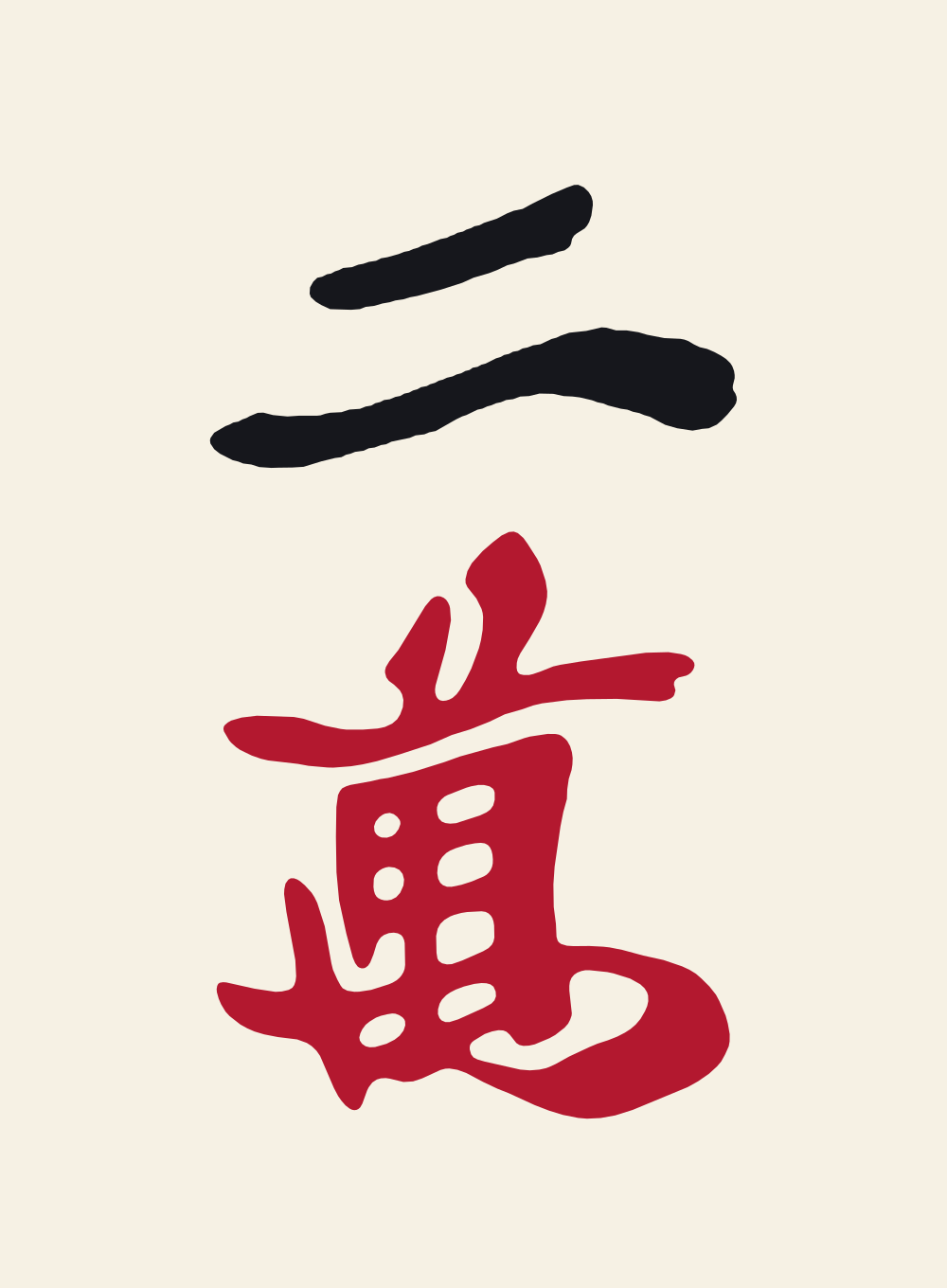
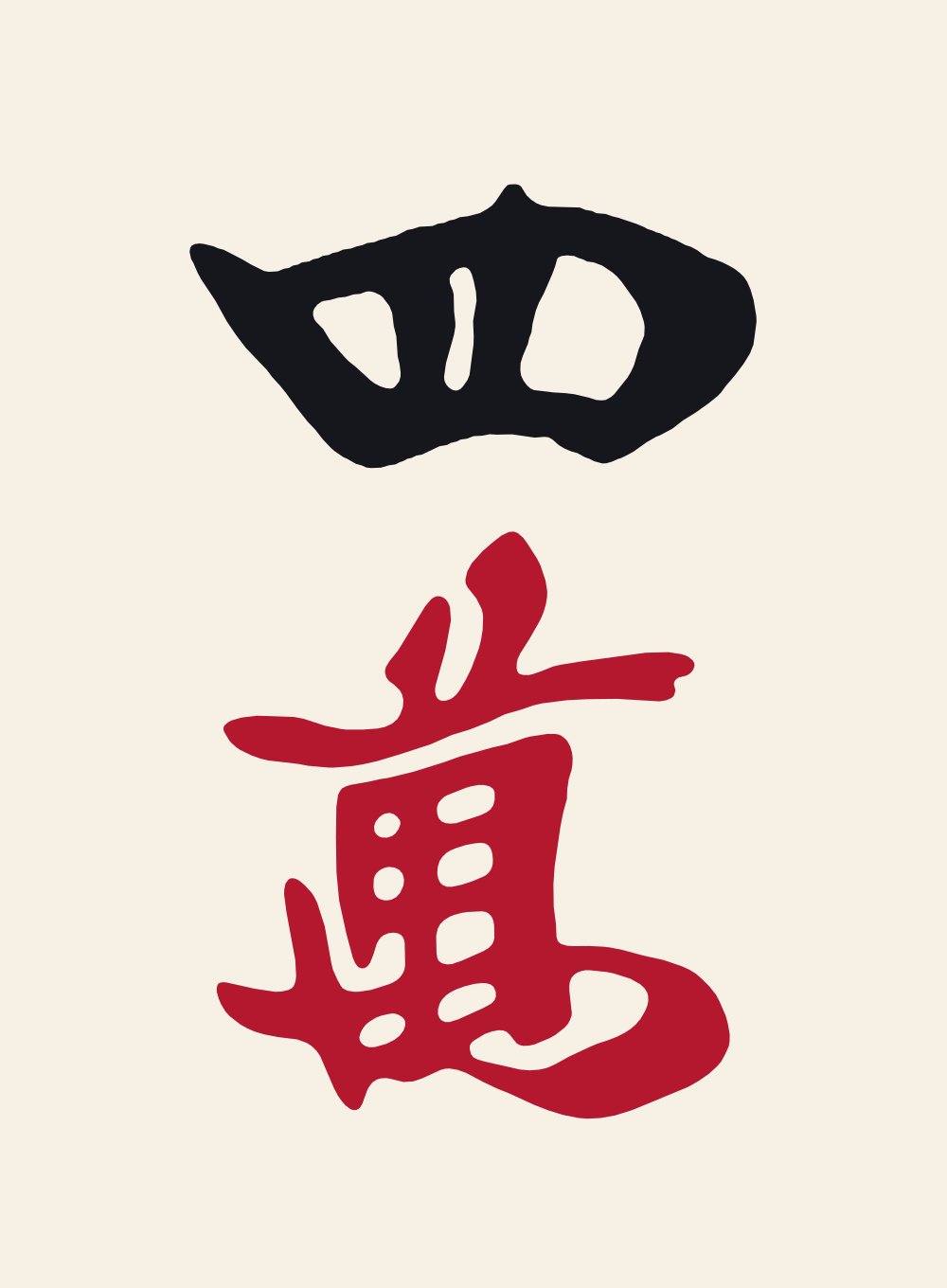
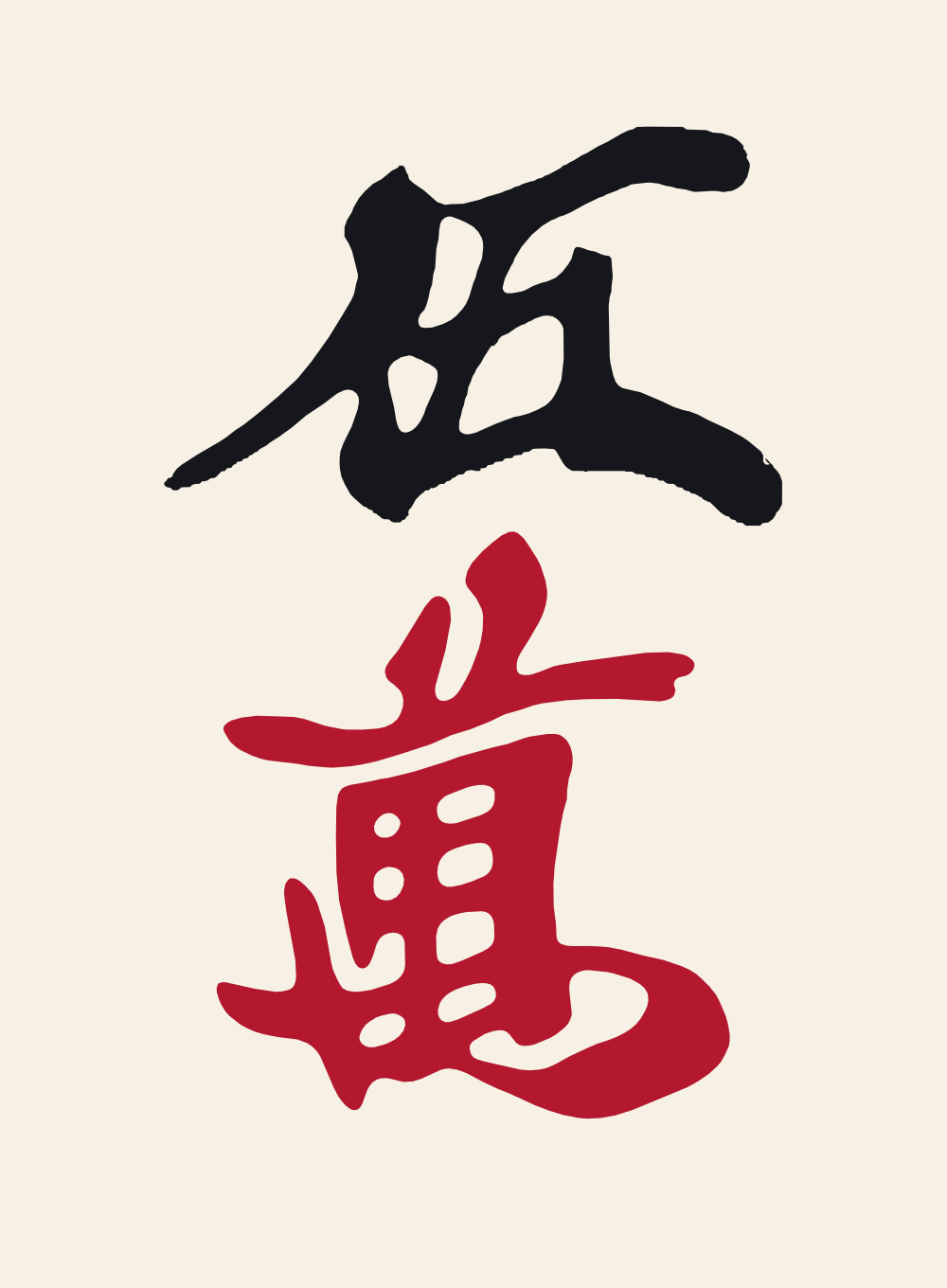
- It is suji to the 6: once an opponent has discarded
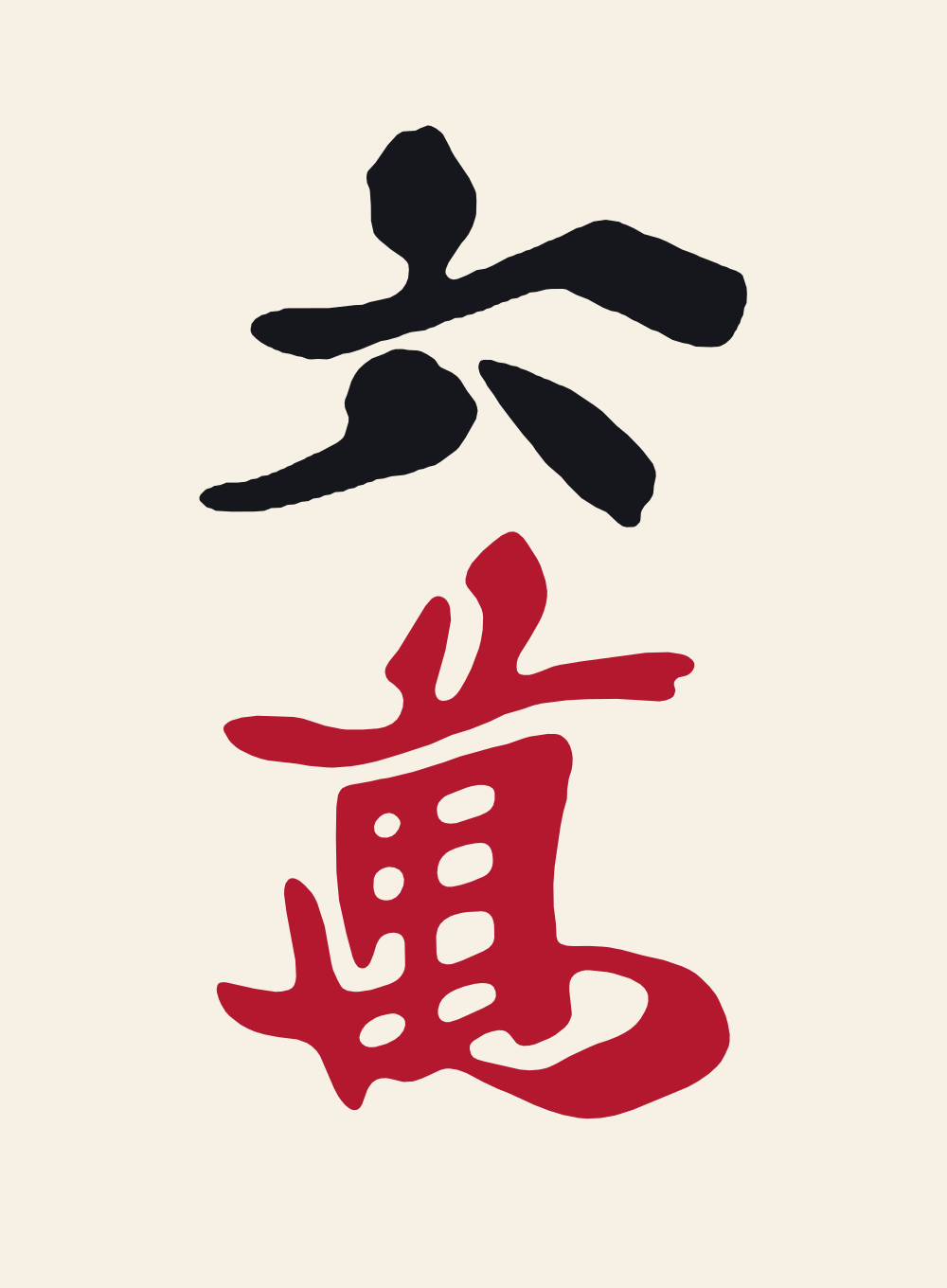 , a two-sided wait on the 3 would leave them furiten, which makes it a safer discard against them.
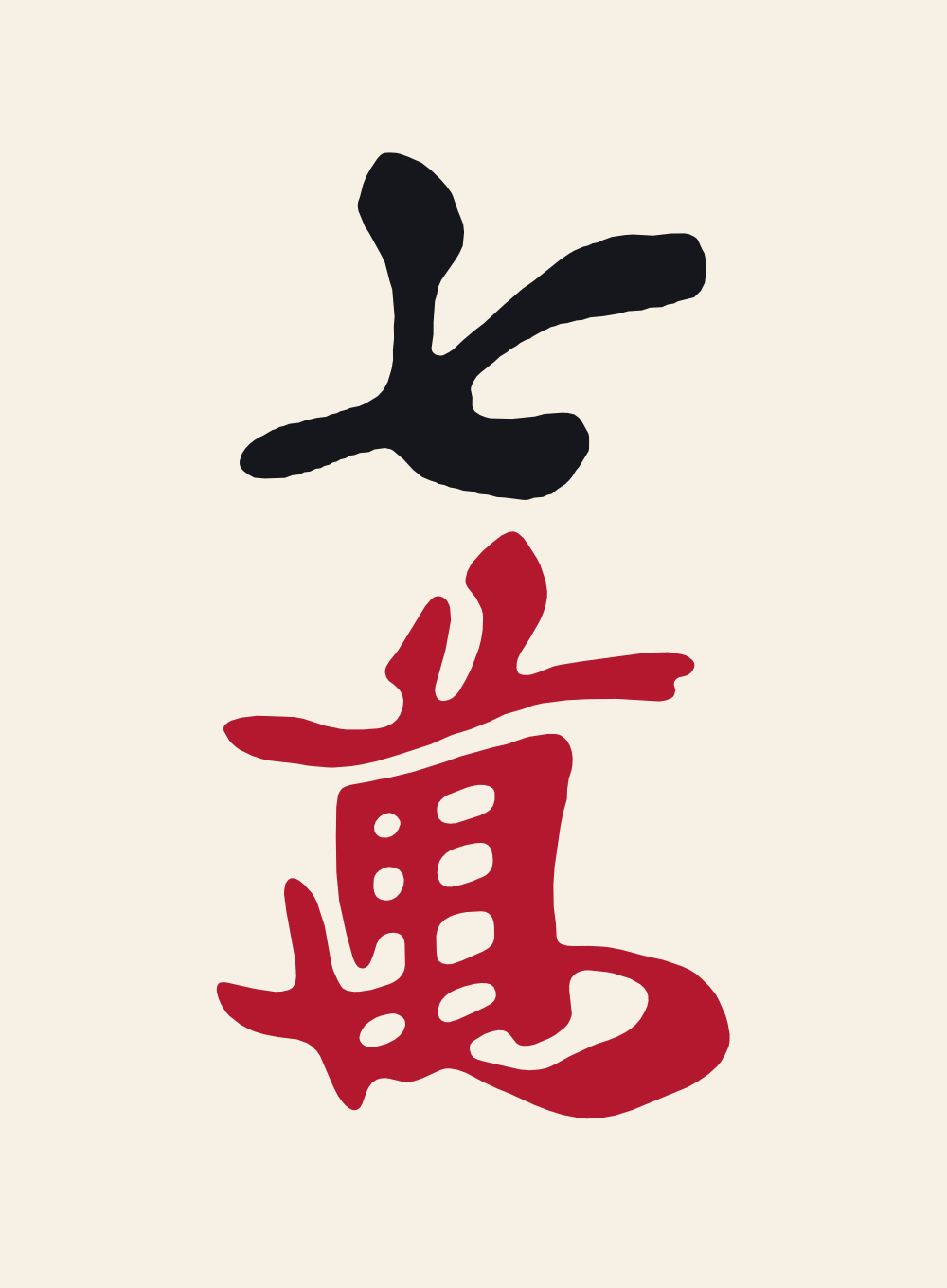
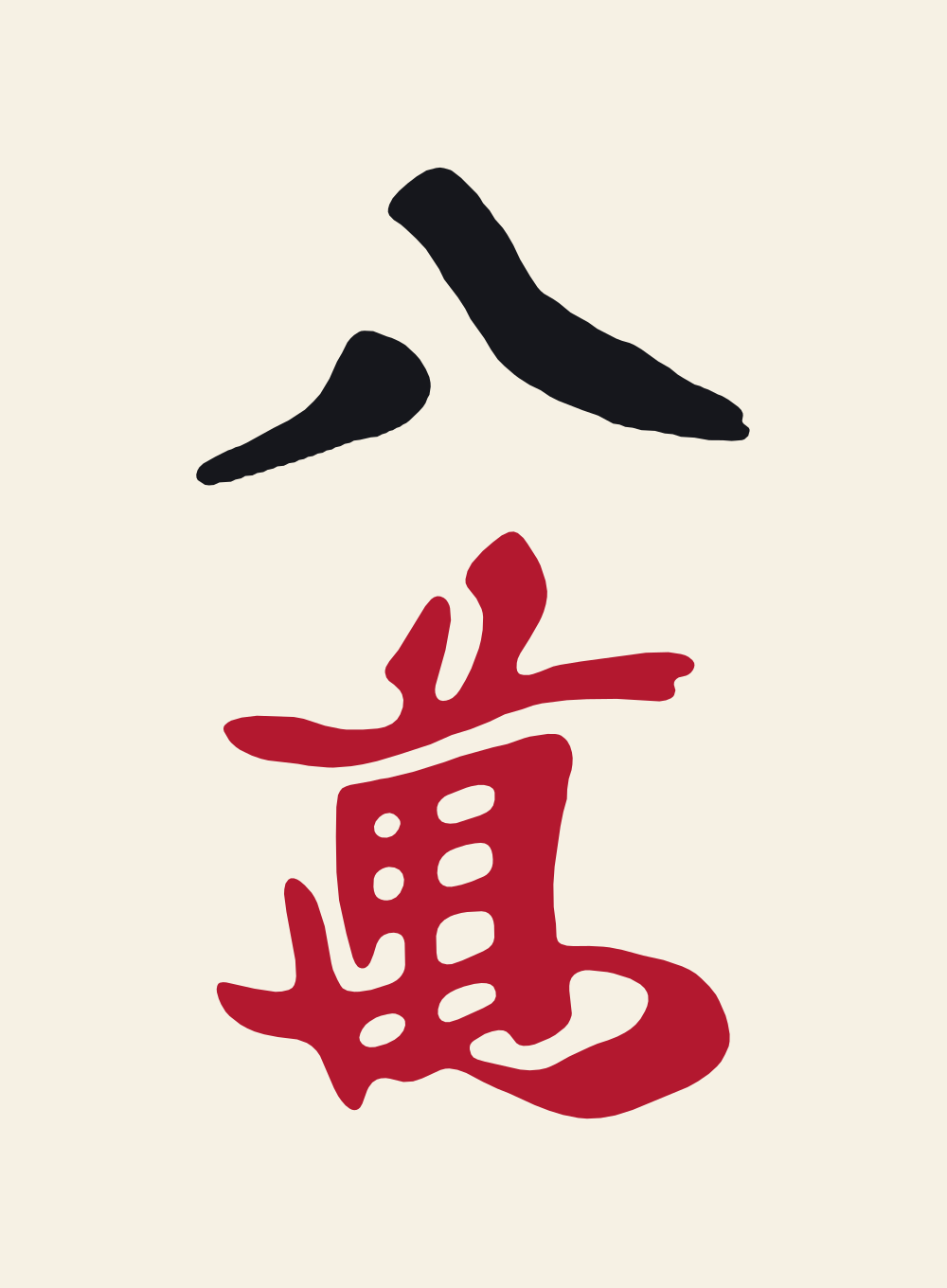
 - It is dora when is the dora indicator. Turned up as the indicator itself, it makes dora.
Yaku it can help
- Tanyao simples only
- Chinitsu one suit only
- Chuuren Poutou the nine gates, all in one suit
Where the characters come from
Mahjong's three suits are older than the game. They come from Chinese money-suited playing cards, whose suits were coins, strings of coins and myriads. A myriad is ten thousand coins, a hundred strings of a hundred, and that is what 萬 means: ten thousand.23
So a character tile is a sum of money: 三萬 is thirty thousand. The oldest surviving sets, from the 1870s, write the short form 万, as the money cards did; Japanese sets use the full 萬. In Japan the suit is read both manzu and wanzu.45
The characters suit
Sources
- Japanese mahjong, Wikipedia
- Mahjong tiles, Wikipedia
- 麻雀牌, Wikipedia (Chinese) Chinese
- 二 一九世紀の中国麻雀牌(プロト・マージャン), p. 3: 19th-century tile designs, Japan Playing Card Museum (日本かるた文化館) Japanese
- 麻雀牌, Wikipedia (Japanese) Japanese
Play with it
Every tile in Mahjong Sushi is carved and lit in 3D like this one. Hover the 3 characters at the table for its name and value.
Play Mahjong Sushi